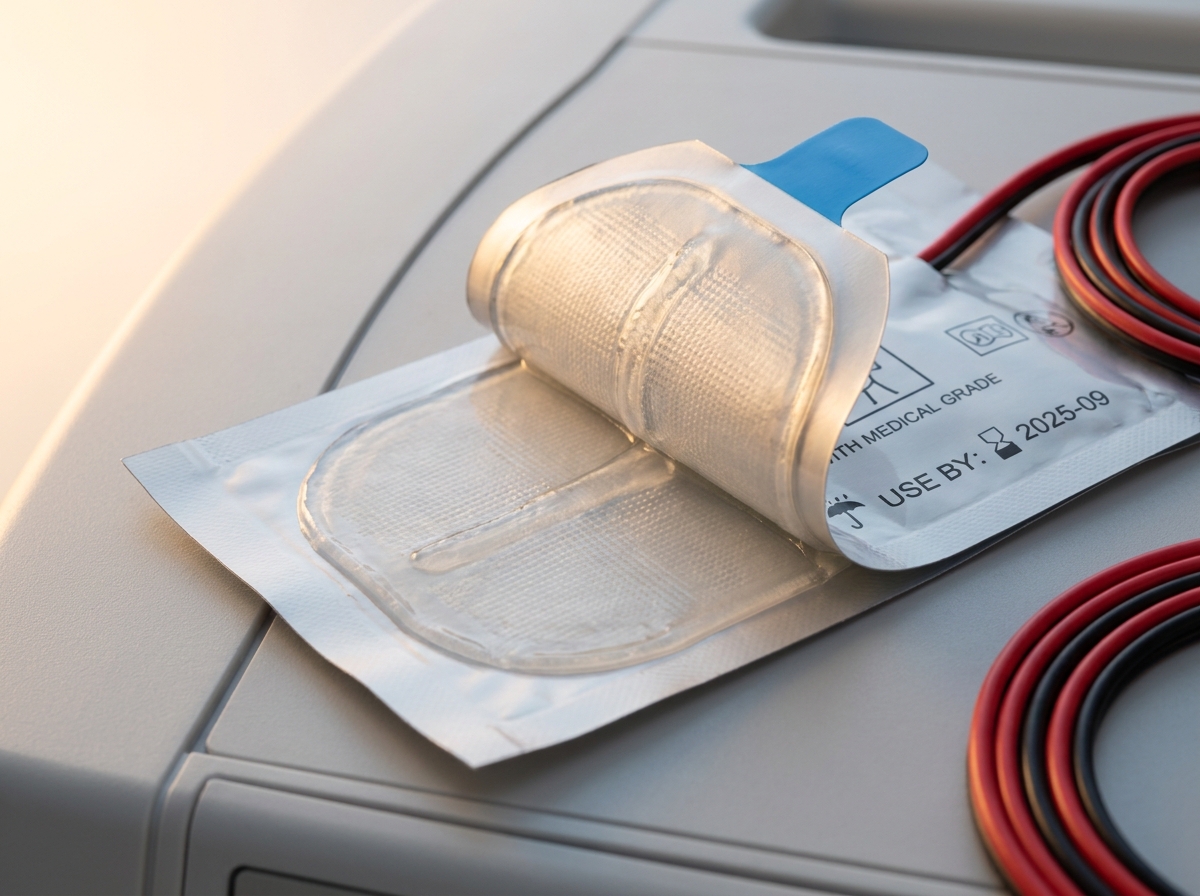
AED batteries are genuinely different from everyday household batteries, and understanding the basics helps explain why replacement pricing and shelf life vary the way they do.
Most Devices Use Lithium-Based Chemistry
The majority of modern AEDs use lithium or lithium manganese dioxide batteries, chosen specifically for their long shelf life and reliable performance in standby storage.
Why Standby Life Matters More Than Capacity Alone
Unlike a phone battery cycled daily, an AED battery may sit unused for months or years, making shelf-stable chemistry more important than raw energy capacity.
Non-Rechargeable Batteries Are the Norm, Not a Downside
Most public access AED batteries are designed for single-use replacement rather than recharging, prioritising long-term reliability over reusability.
Why Genuine Manufacturer Batteries Matter
Using anything other than the manufacturer-specified battery risks compatibility and safety issues, which is why our maintenance service always sources genuine parts.
Expiry Dates Reflect Genuine Chemical Limits
As covered in our battery indicator guide, expiry dates on AED batteries reflect real chemical degradation over time, not an arbitrary manufacturer restriction.
Let Us Handle Battery Management for You
Our AED Maintenance service tracks battery status and replacement automatically. Get in touch to discuss your program.
Let Us Handle Battery Management for You
Heart First Response supplies, installs, maintains and trains organizations on AEDs across Dubai, United Arab Emirates and the wider Gulf region. Call us on +971 52 1746500 or visit heartfirstaed.com to get started.