The carrying case an AED comes in is easy to overlook entirely, yet it genuinely affects how well the device survives real-world handling and how practical it is to carry.
Hard Cases: Better Physical Protection
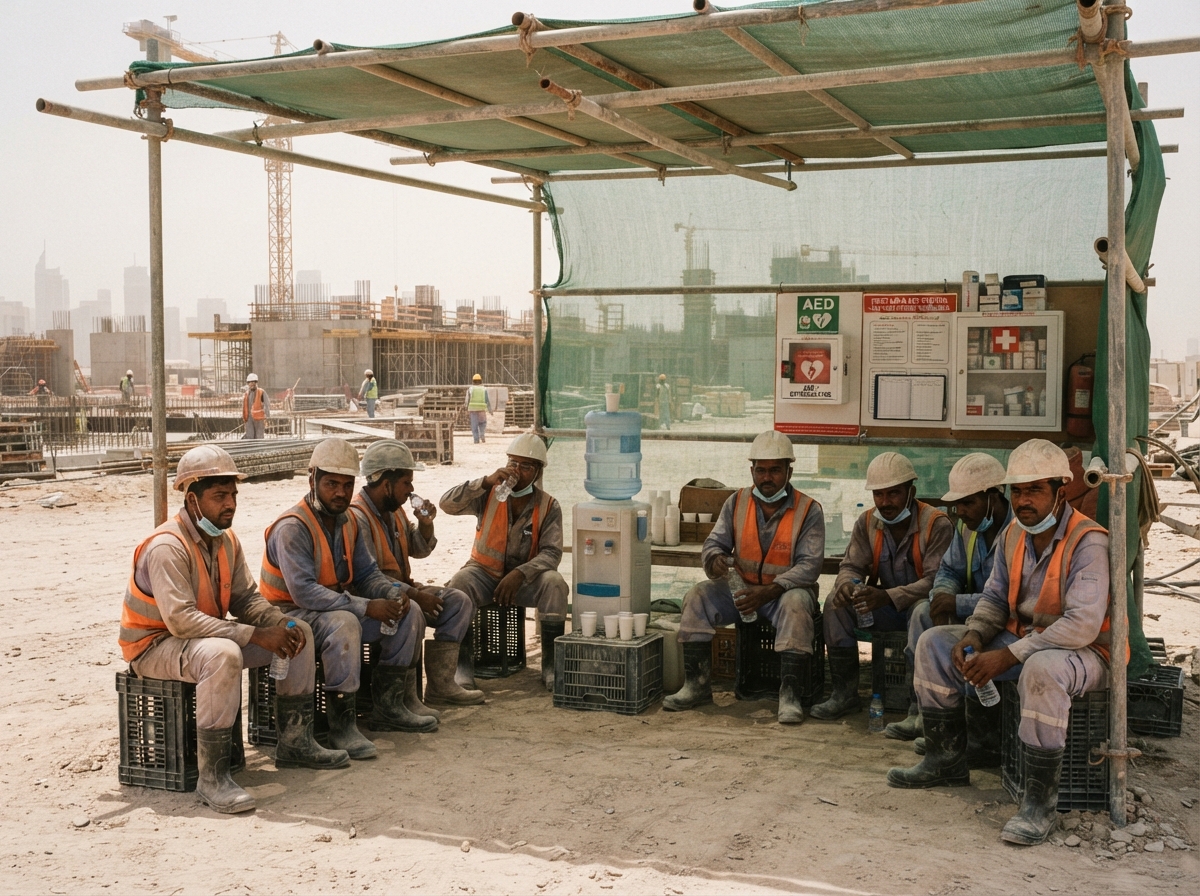
Rigid hard cases offer stronger protection against drops and impacts, making them a sensible choice for vehicle storage, construction sites or any setting with rougher handling.
Soft Cases: Lighter and More Portable
Soft nylon cases weigh less and often include a shoulder strap, better suited to settings where a device might be carried on foot regularly, such as event staff or sports coaches.
Weatherproofing Varies by Case, Not Just Device
Even a well-rated AED can be undermined by a case that doesn't seal properly — check the case's own water and dust resistance, not just the device specification alone.
Storage Pockets for Rescue Kit Accessories
A good case includes dedicated space for gloves, a razor and a face shield, keeping the full rescue kit together rather than scattered separately.
Visibility Matters Too
Bright, clearly marked cases help bystanders identify the device quickly in an emergency, an easy detail worth checking when comparing otherwise similar options.
Get the Right Case for Your Setting
We can recommend the right case type for your specific environment when you purchase or upgrade your AED. Get in touch to discuss your needs.
Get the Right Case for Your Setting
Heart First Response supplies, installs, maintains and trains organizations on AEDs across Dubai, United Arab Emirates and the wider Gulf region. Call us on +971 52 1746500 or visit heartfirstaed.com to get started.