An AED that no one can find in an emergency provides little more value than not having one at all. Proper signage is a small investment that has an outsized impact on real-world response times.
The Standard AED Symbol
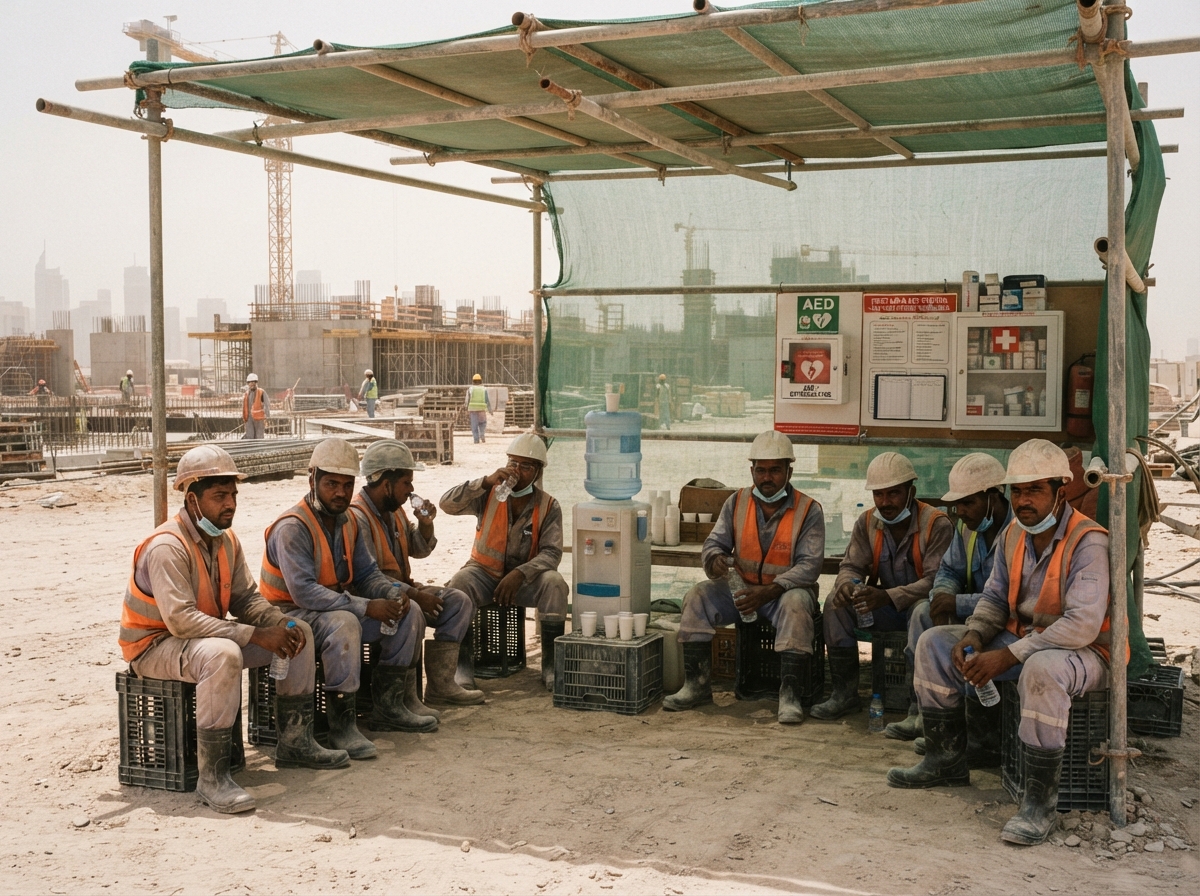
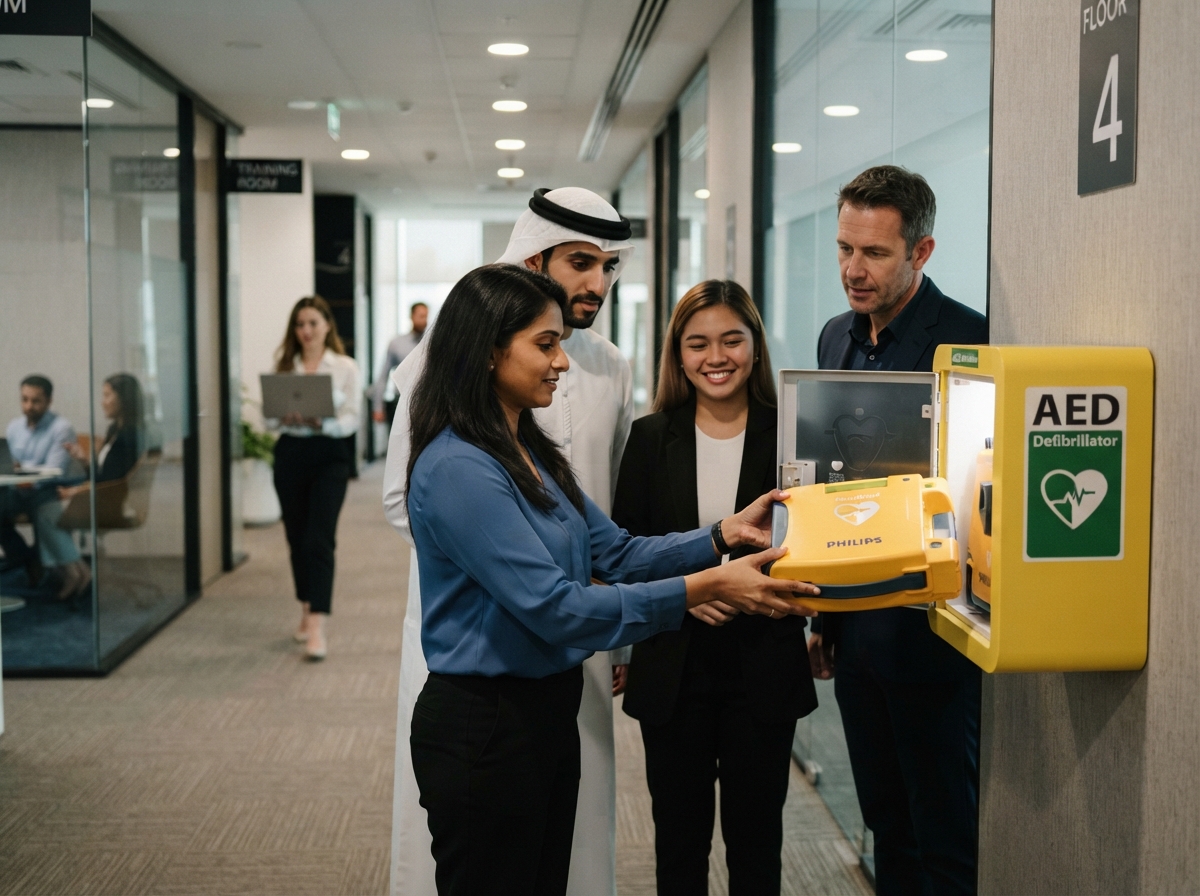
Internationally, AEDs are marked with a standardized symbol: a white heart with a lightning bolt or defibrillator icon on a green background. This universal design means the symbol is recognizable even to visitors unfamiliar with your specific building.
Placement of Signage
Signage should be visible from multiple approach directions, not just directly above the cabinet. In larger buildings, directional signs pointing toward the nearest AED — similar to fire extinguisher signage — significantly reduce search time during a real emergency.
Illumination Matters
In areas with lower lighting, or in buildings that may lose power during an emergency, illuminated or glow-in-the-dark signage adds an important layer of reliability.
Consistency Across Multiple Sites
Organizations with several locations benefit from using identical signage and placement logic at every site — this consistency helps staff who move between locations respond instinctively, without needing to relearn the layout.
Signage Is Part of Readiness, Not an Afterthought
We include proper signage as a standard part of every AED Installation we carry out — because a perfectly maintained device is only useful if people can find it in seconds, not minutes.
Make Sure Your AED Can Actually Be Found
Heart First Response supplies, installs, maintains and trains organizations on AEDs across Dubai, United Arab Emirates and the wider Gulf region. Call us on +971 52 1746500 or visit heartfirstaed.com to get started.