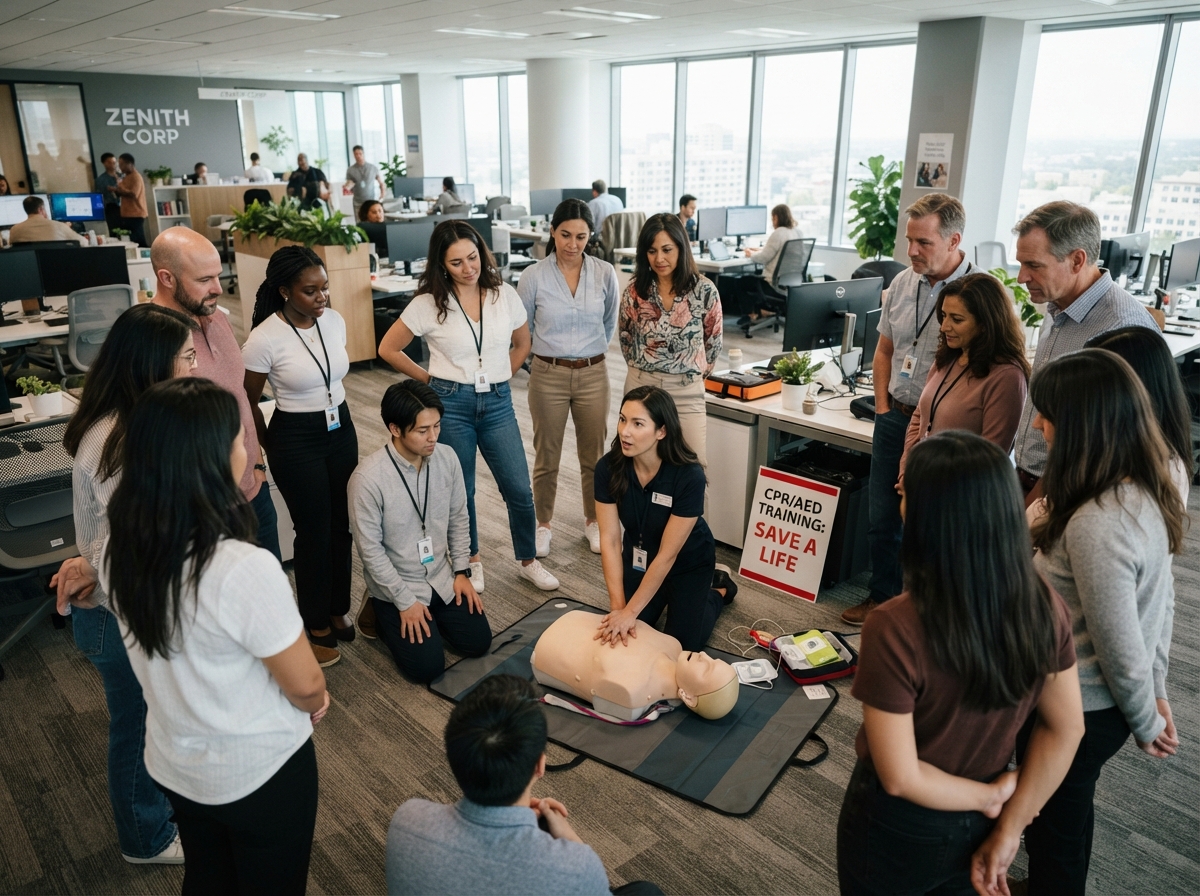
When someone collapses from sudden cardiac arrest, the two most common questions are: should I start CPR, or should I look for an AED? The honest answer is both — and the order matters less than most people think, because CPR and an AED (automated external defibrillator) solve two completely different problems.
What CPR Actually Does
Chest compressions keep a small amount of oxygenated blood moving to the brain and heart. CPR does not restart a stopped heart on its own — it buys time. Without it, brain damage can begin within four to six minutes of the heart stopping.
What an AED Actually Does
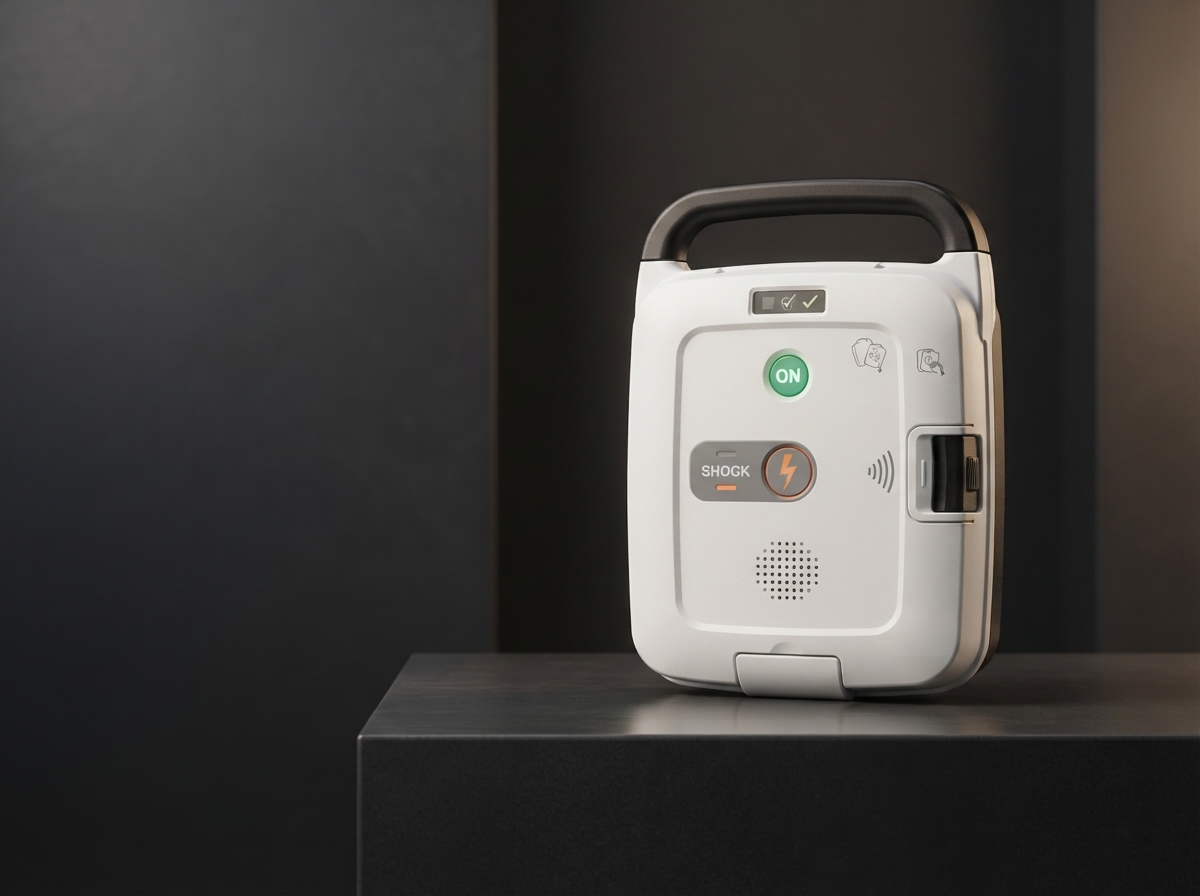
Most sudden cardiac arrests are caused by an abnormal electrical rhythm in the heart, most commonly ventricular fibrillation. An AED analyzes the heart's rhythm and delivers a controlled shock that can allow the heart to reset into a normal rhythm. CPR cannot fix this electrical problem — only a defibrillator can.
Why the Combination Matters
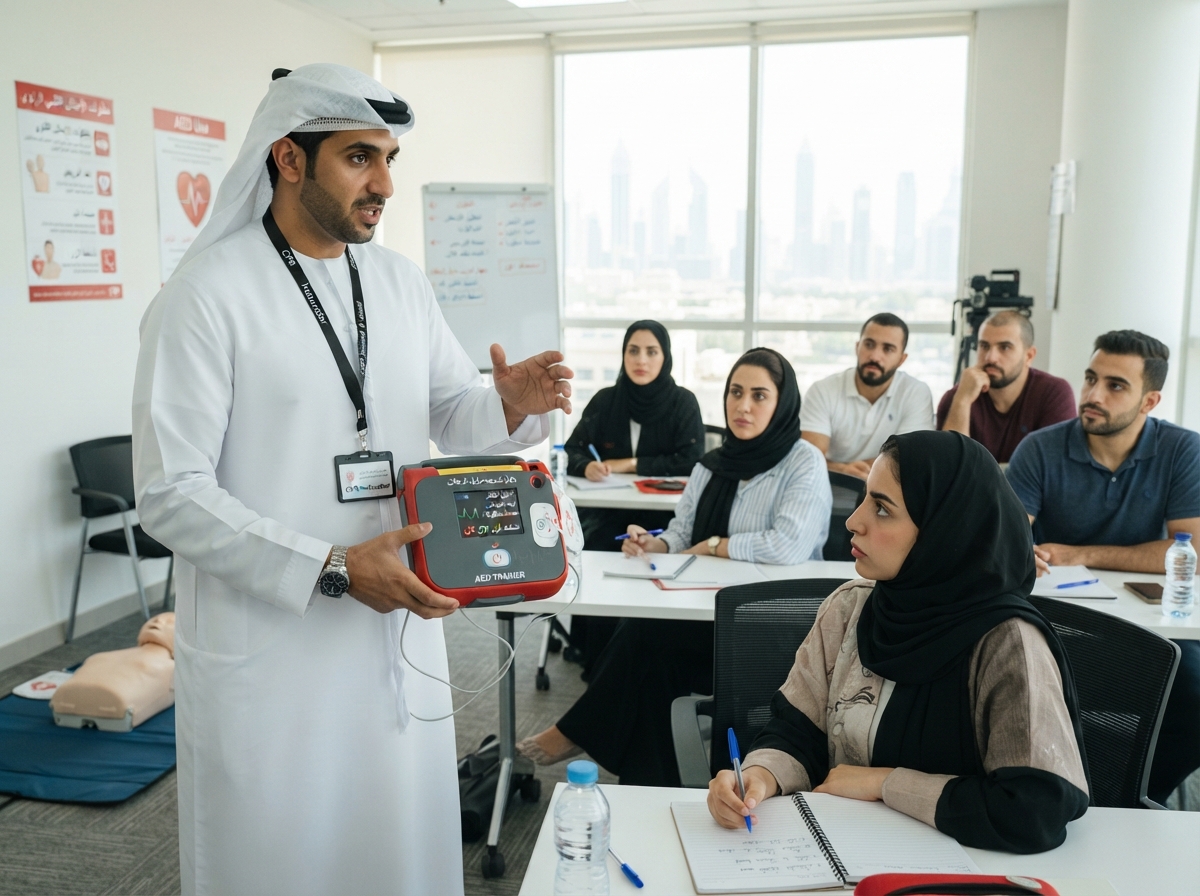
Studies consistently show that CPR combined with early defibrillation more than doubles survival rates compared to CPR alone. Every minute without defibrillation reduces survival chances by roughly 7-10%. This is exactly why modern AEDs, including models like the ZOLL AED 3, are designed to guide untrained bystanders through both compressions and shock delivery with real-time voice prompts.
What This Means for Your Organization
If your workplace has staff trained in CPR but no AED on-site, you are only solving half the problem. The reverse is also true — an AED without anyone confident enough to use it delays critical seconds. The most effective emergency response combines accessible AEDs with regular hands-on training.
Equip Your Team With Both Skills and Equipment
Heart First Response supplies, installs, maintains and trains organizations on AEDs across Dubai, United Arab Emirates and the wider Gulf region. Call us on +971 52 1746500 or visit heartfirstaed.com to get started.