Certain substances — including some prescription medications taken incorrectly, and some recreational drugs — can directly trigger cardiac arrest. Understanding the response here matters for workplace and venue safety teams alike.
The AED Response Doesn't Change
Regardless of what caused the cardiac arrest, the immediate response is identical — check responsiveness and breathing, call for help, begin CPR, and apply the AED as soon as it's available.
Don't Let Uncertainty About Cause Delay Action
Responders sometimes hesitate when a situation seems complicated or unclear — but delaying CPR and AED use to determine a cause costs precious time the person doesn't have.
Tell Emergency Services Everything You Know
If there's any indication of substance involvement, sharing that honestly and promptly with arriving paramedics helps them treat the person correctly — this isn't the moment for judgment or omission.
Workplace and Venue Policy Considerations
Separate from the emergency response itself, organizations may have their own policies regarding substance-related incidents — but life-saving response should never be delayed by policy uncertainty in the moment.
A Reason This Belongs in Broader Training
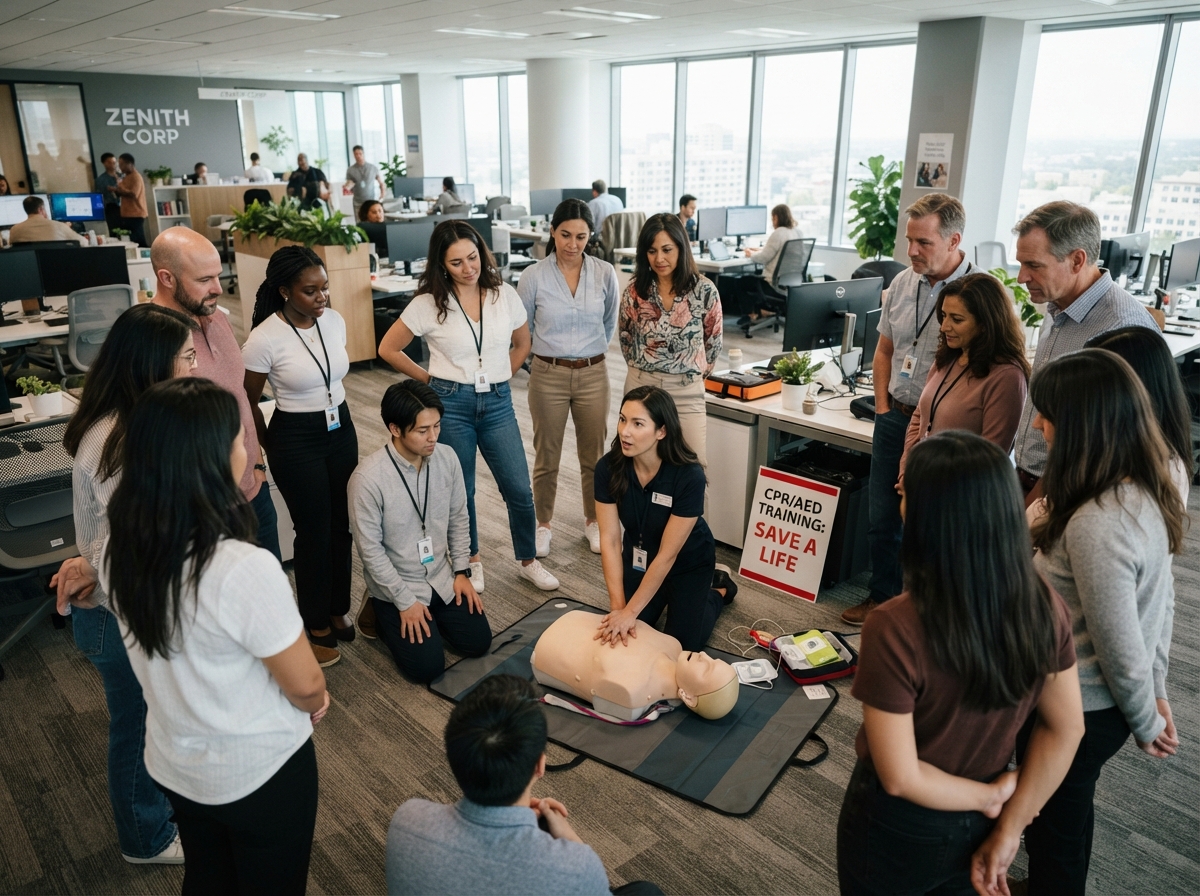
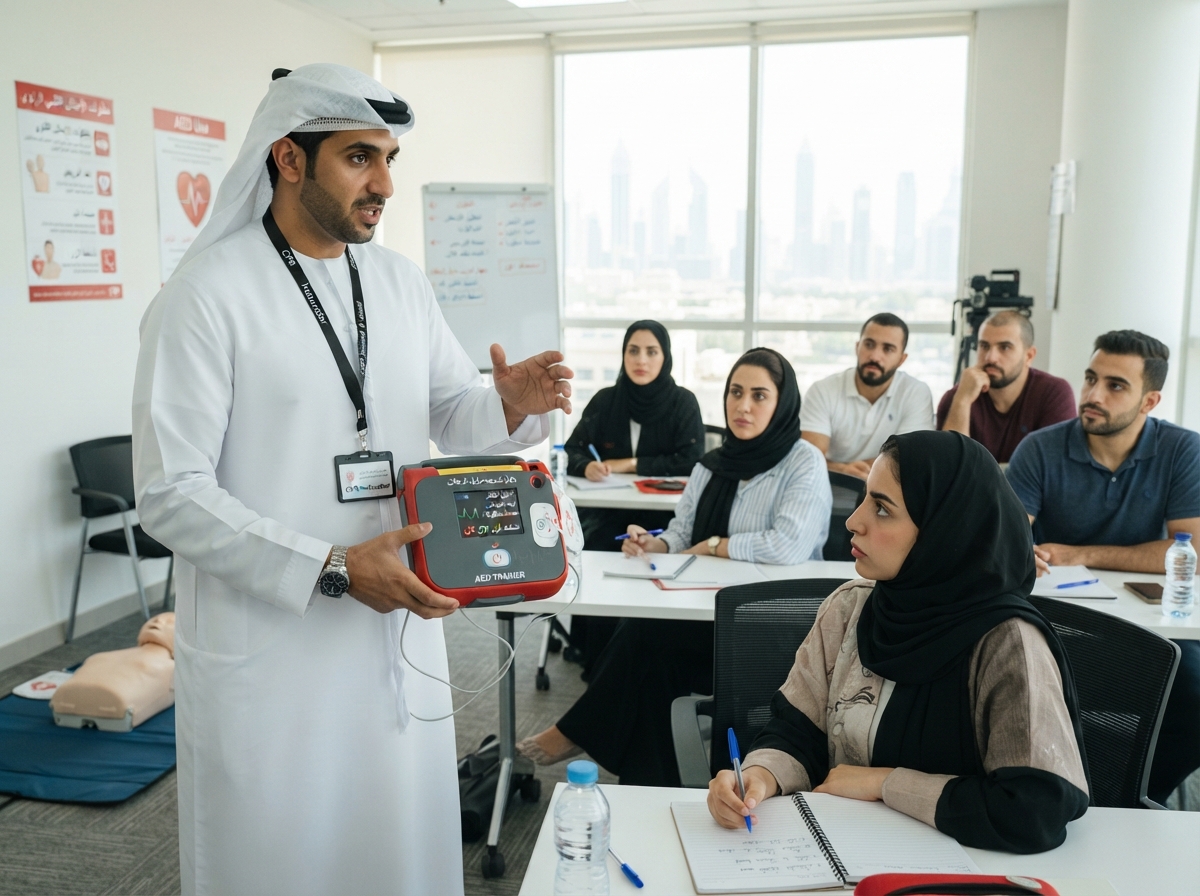
Covering this scenario, even briefly, in workplace AED training helps responders act decisively rather than freezing over an unfamiliar situation.
Build Comprehensive Response Training
Our AED Training covers a full range of realistic scenarios to build genuine responder confidence. Get in touch to schedule your team.
Build Comprehensive Response Training
Heart First Response supplies, installs, maintains and trains organizations on AEDs across Dubai, United Arab Emirates and the wider Gulf region. Call us on +971 52 1746500 or visit heartfirstaed.com to get started.