Elderly care facilities and senior living communities serve a population with meaningfully elevated cardiac risk compared to almost any other setting — making AED readiness here less of a precaution and more of a core operational requirement.
Higher Baseline Risk Changes the Calculation
Age is one of the strongest risk factors for cardiac arrest. In elderly care settings, the realistic likelihood of needing an AED is considerably higher than in a typical office or retail environment, and coverage planning should reflect that.
Coverage in Resident Rooms and Common Areas
Beyond communal spaces, response time to individual resident rooms matters enormously — facilities should map realistic response times from each wing or floor, not just the main reception area.
Staff Training as a Baseline Requirement
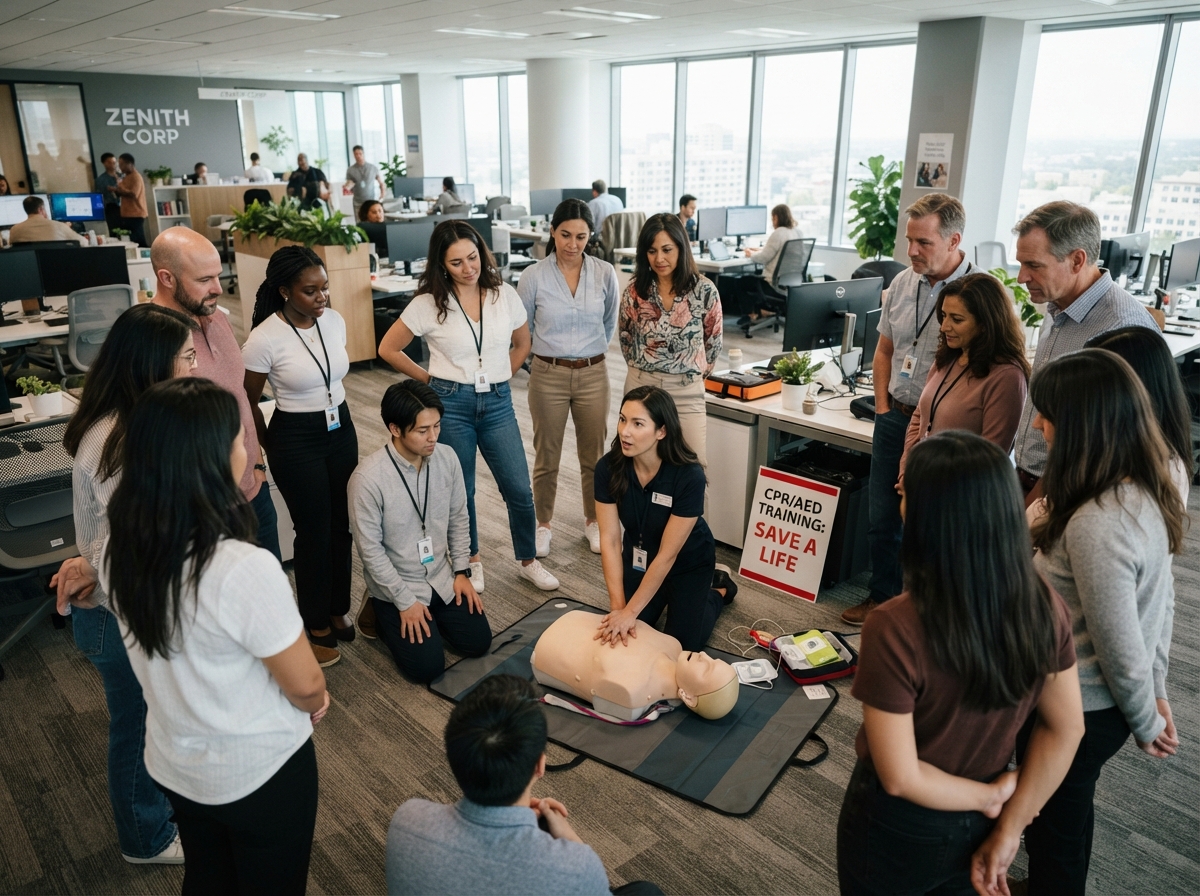
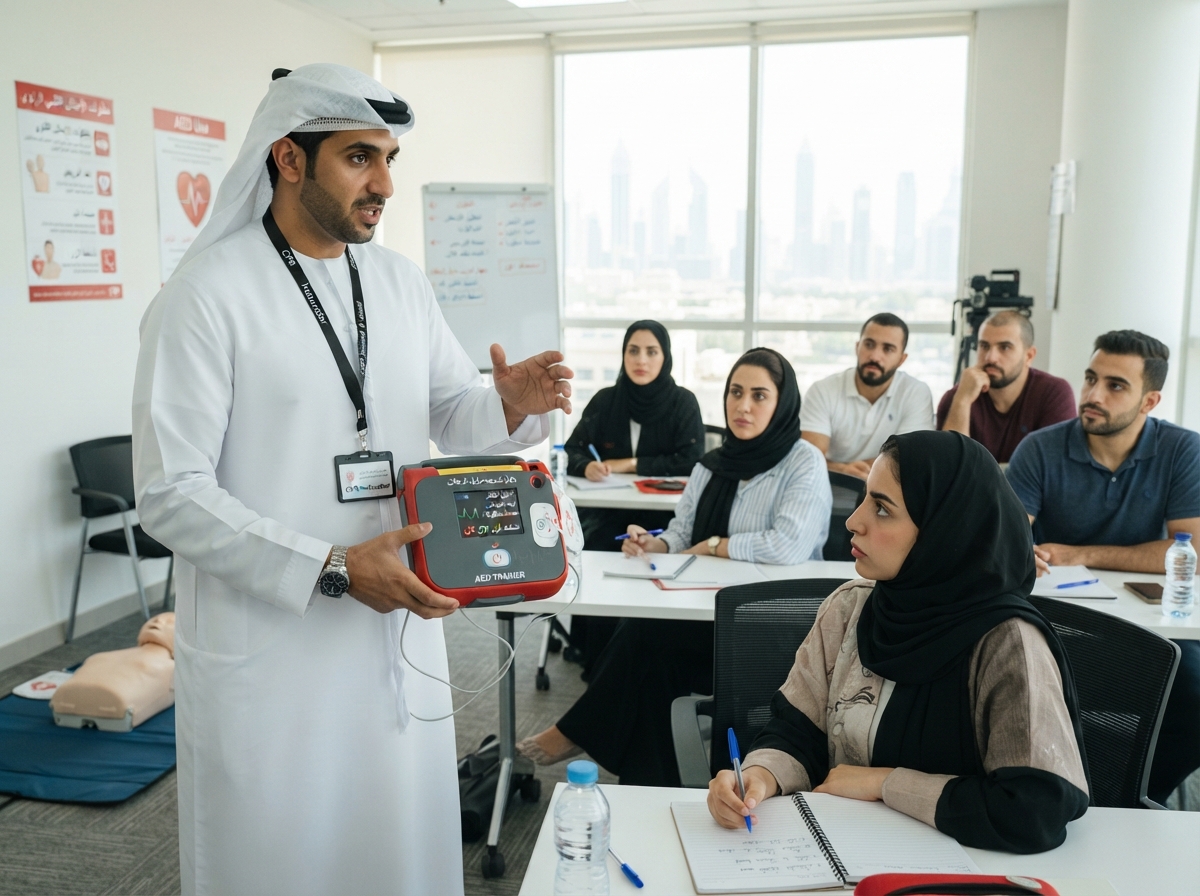
In elderly care, AED and CPR competency should be treated as a core requirement for all care staff, not an optional certification — given how frequently this population's needs intersect with cardiac risk.
Family and Visitor Consideration
Visiting family members are often elderly themselves, meaning coverage and signage should account for this wider population, not solely resident-facing staff.
Working Alongside Existing Medical Protocols
Facilities with on-site nursing staff should integrate AED response directly into existing medical emergency protocols, rather than treating it as a separate, standalone system.
Comprehensive Coverage for a High-Risk Population
We work with elderly care operators across the UAE to design genuinely comprehensive coverage matched to this higher-risk setting. Reach out for a Consultation tailored to your facility.
Build Comprehensive Coverage for Your Facility
Heart First Response supplies, installs, maintains and trains organizations on AEDs across Dubai, United Arab Emirates and the wider Gulf region. Call us on +971 52 1746500 or visit heartfirstaed.com to get started.