An AED is a critical piece of workplace emergency preparedness, but it works best as part of a complete, well-rehearsed response plan rather than a standalone purchase.
Start With a Risk Assessment
Identify the realistic emergency scenarios your workplace could face — cardiac events, fires, medical incidents, or evacuation needs — and build your plan around your actual environment, not a generic template.
Define Clear Roles
Every effective plan assigns clear responsibilities: who calls emergency services, who retrieves the AED, who begins CPR, and who manages other staff and visitors during the response.
Map Your Equipment
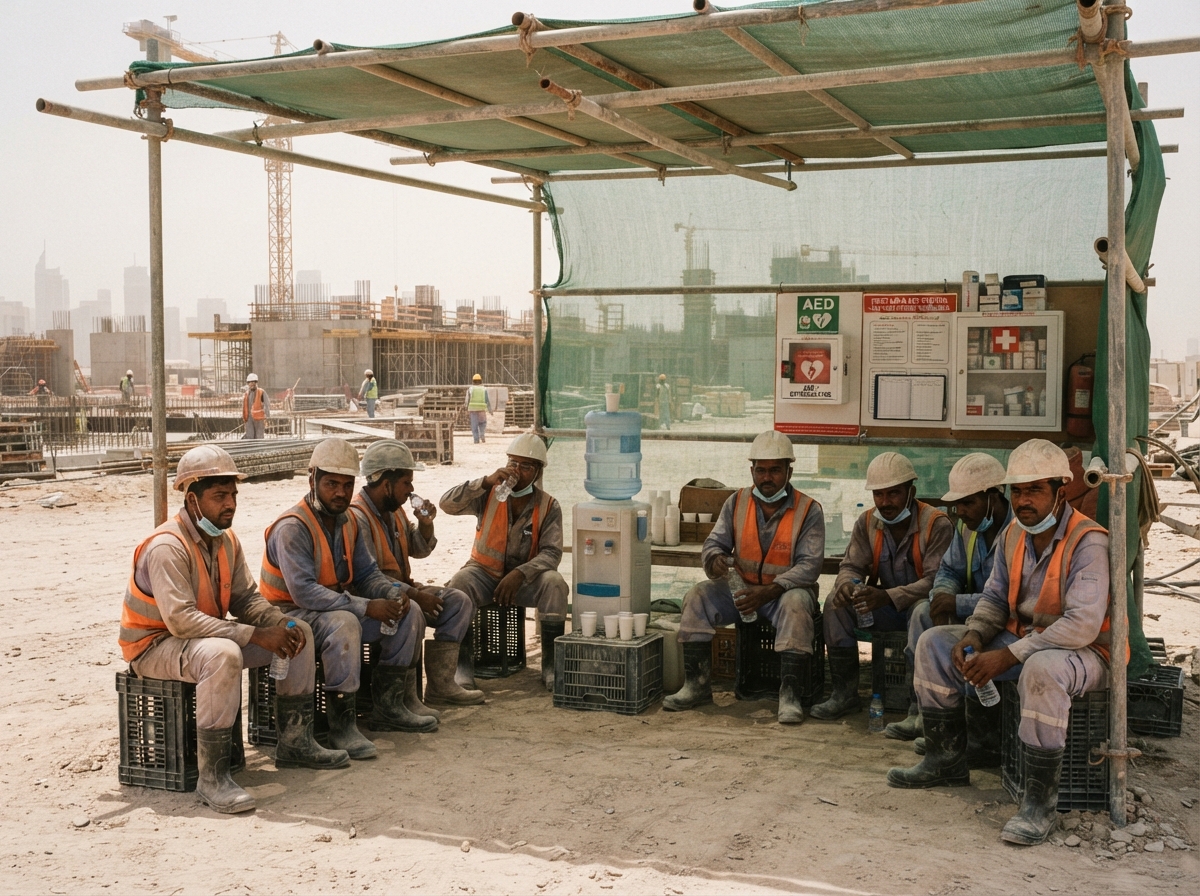
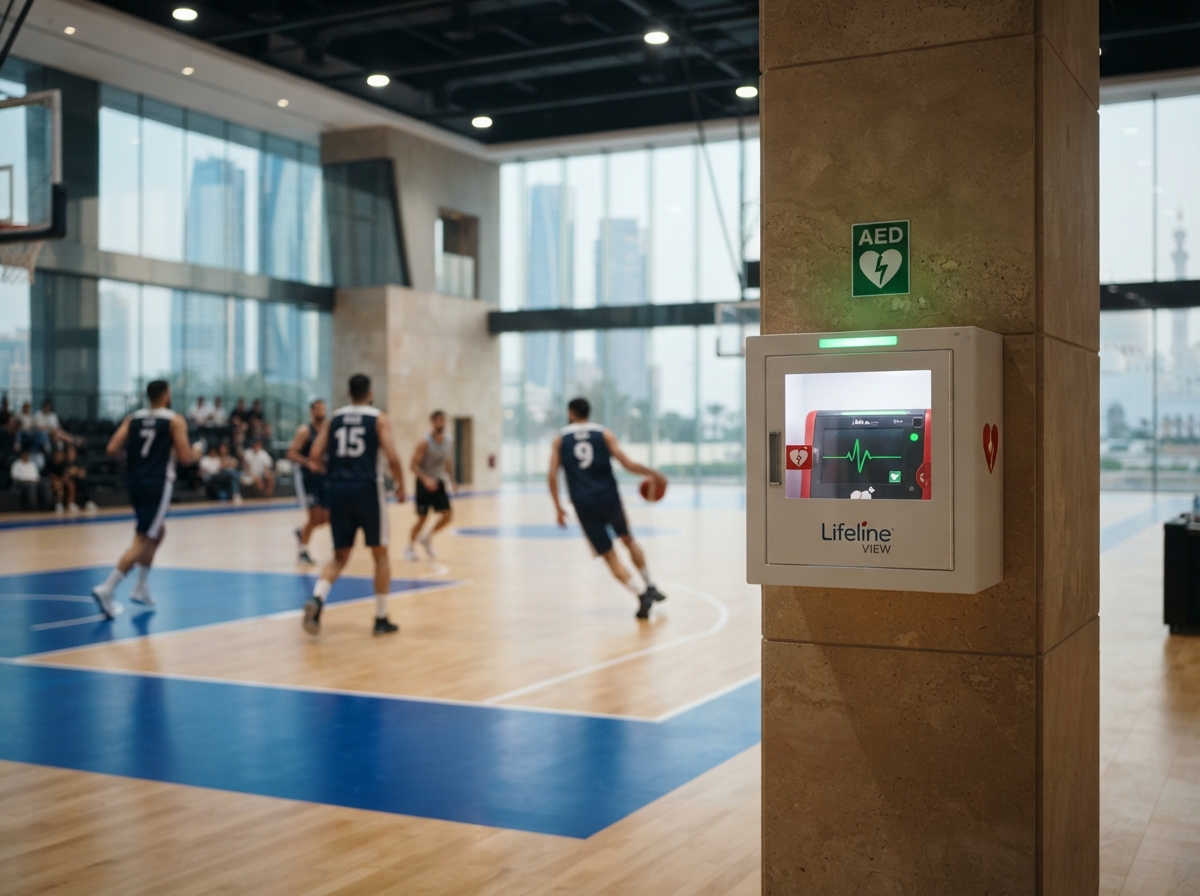
Document the exact location of every AED, first aid kit, and emergency exit, and make this information easily accessible — not buried in a policy document no one has read.
Train Beyond a Single Session
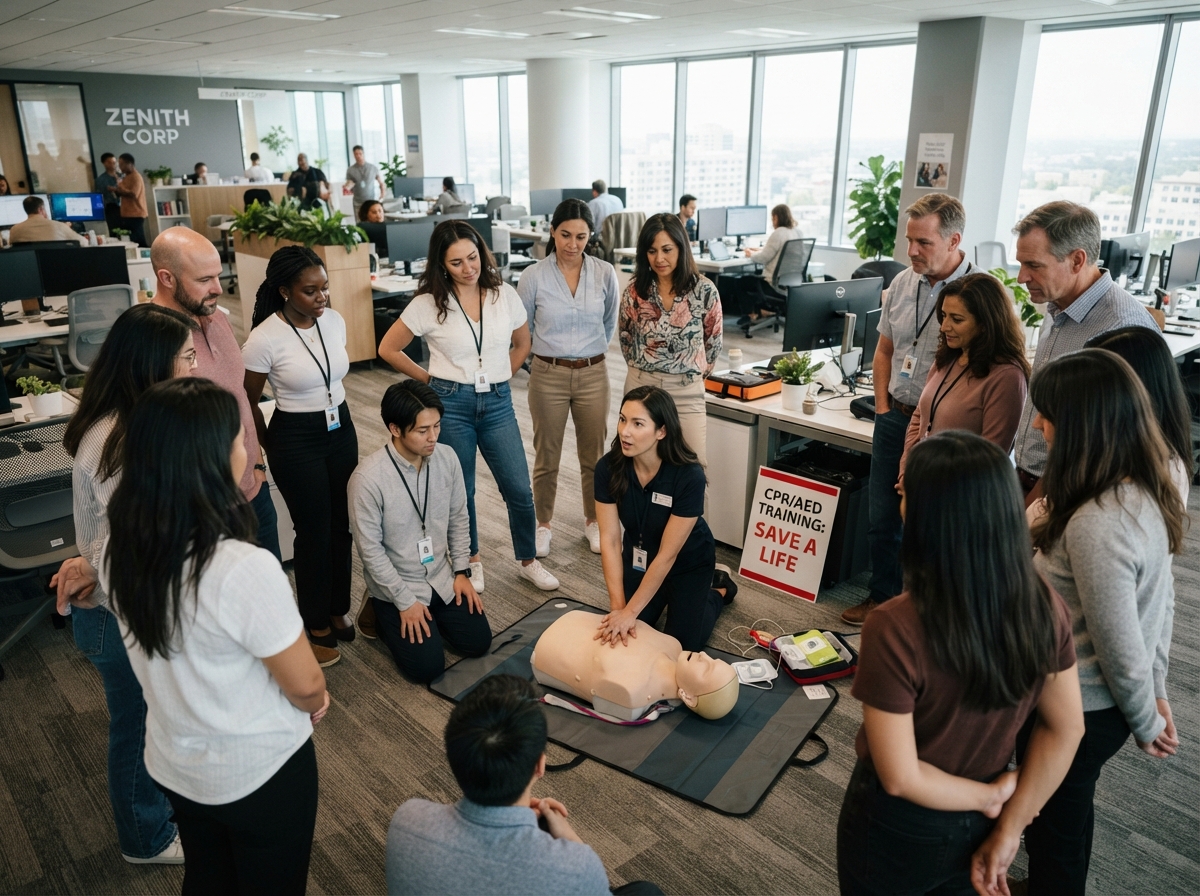
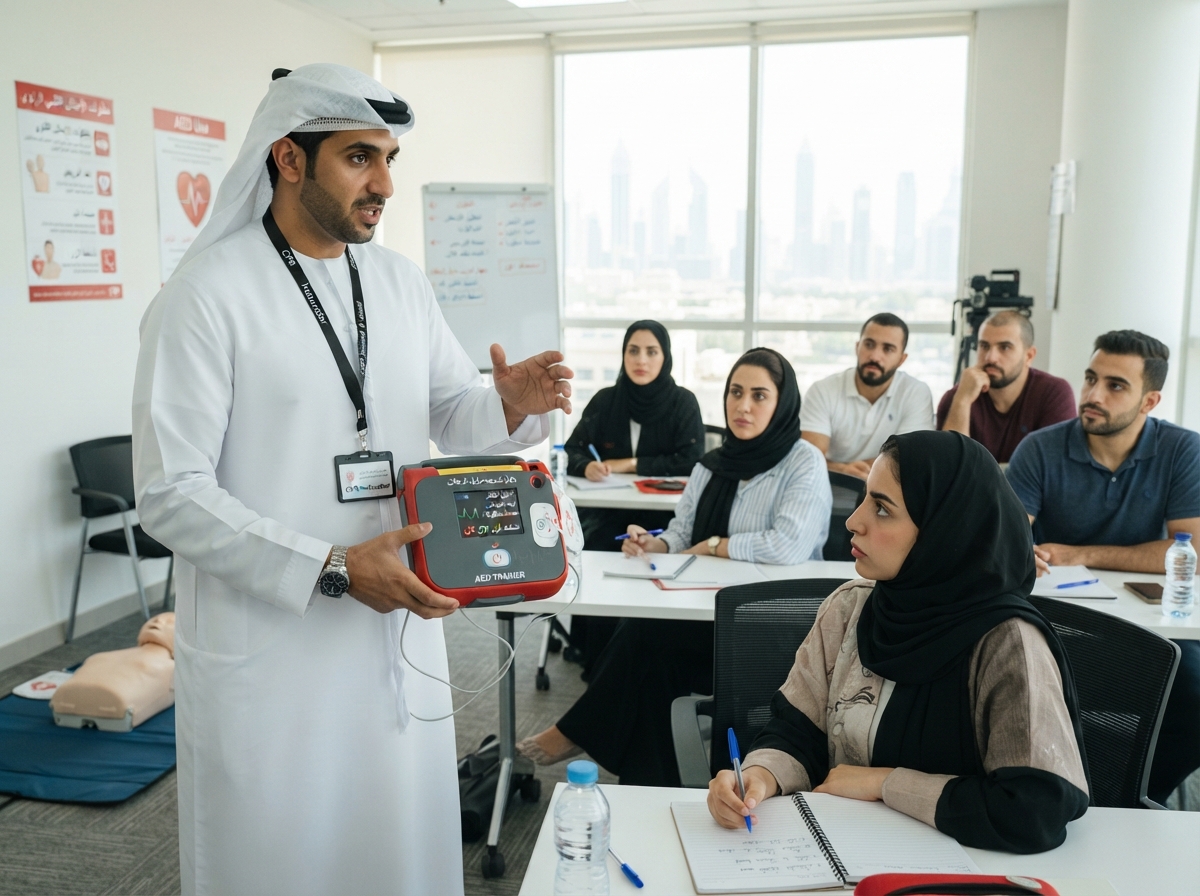
Combine formal AED Training with periodic drills to keep the plan alive in practice, not just on paper.
Maintain Your Equipment on a Schedule
A documented Maintenance schedule ensures your AEDs, first aid supplies, and other emergency equipment are genuinely ready, not just present.
Review and Update Regularly
Revisit your plan whenever your office layout, staff count, or operations change significantly — an outdated plan can be almost as risky as having none.
Communicate the Plan Clearly
A plan that lives only in a manager's inbox provides little real protection. Make sure every employee knows the basics: where equipment is, and what their role would be.
Build Yours With Expert Support
From Consultation to Installation to ongoing Training, we support UAE organizations through the complete process.
Build a Complete Plan, Not Just a Purchase
Heart First Response supplies, installs, maintains and trains organizations on AEDs across Dubai, United Arab Emirates and the wider Gulf region. Call us on +971 52 1746500 or visit heartfirstaed.com to get started.