Emergency medicine organizations describe survival from sudden cardiac arrest as a Chain of Survival — a series of actions that must happen quickly and in sequence. Break any link, and the chances of a positive outcome drop sharply.
Link 1: Early Recognition and Calling for Help
Recognizing cardiac arrest and calling emergency services immediately starts the clock on everything that follows. Every second of delay here compounds through the rest of the chain.
Link 2: Early CPR
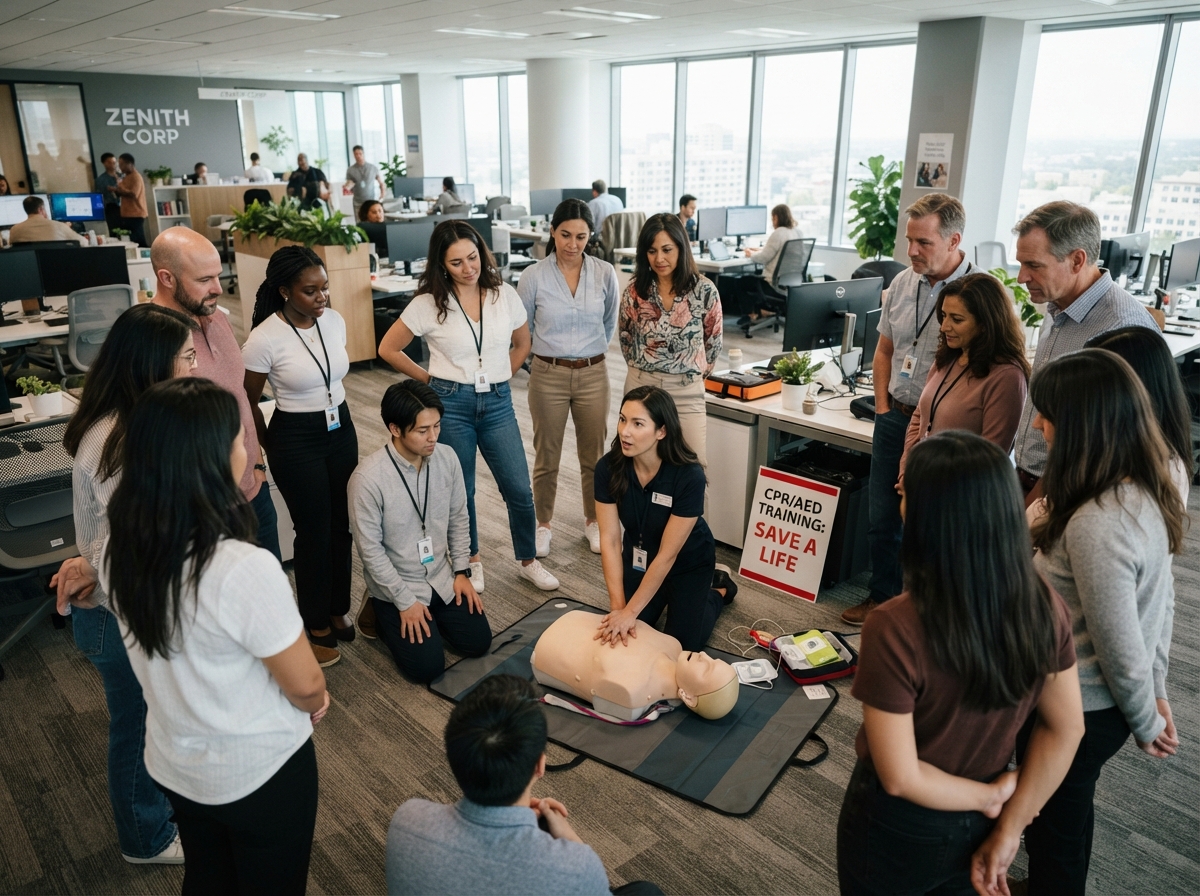
Bystander CPR, even if imperfect, roughly doubles or triples survival from cardiac arrest compared to waiting for professional responders to arrive.
Link 3: Early Defibrillation
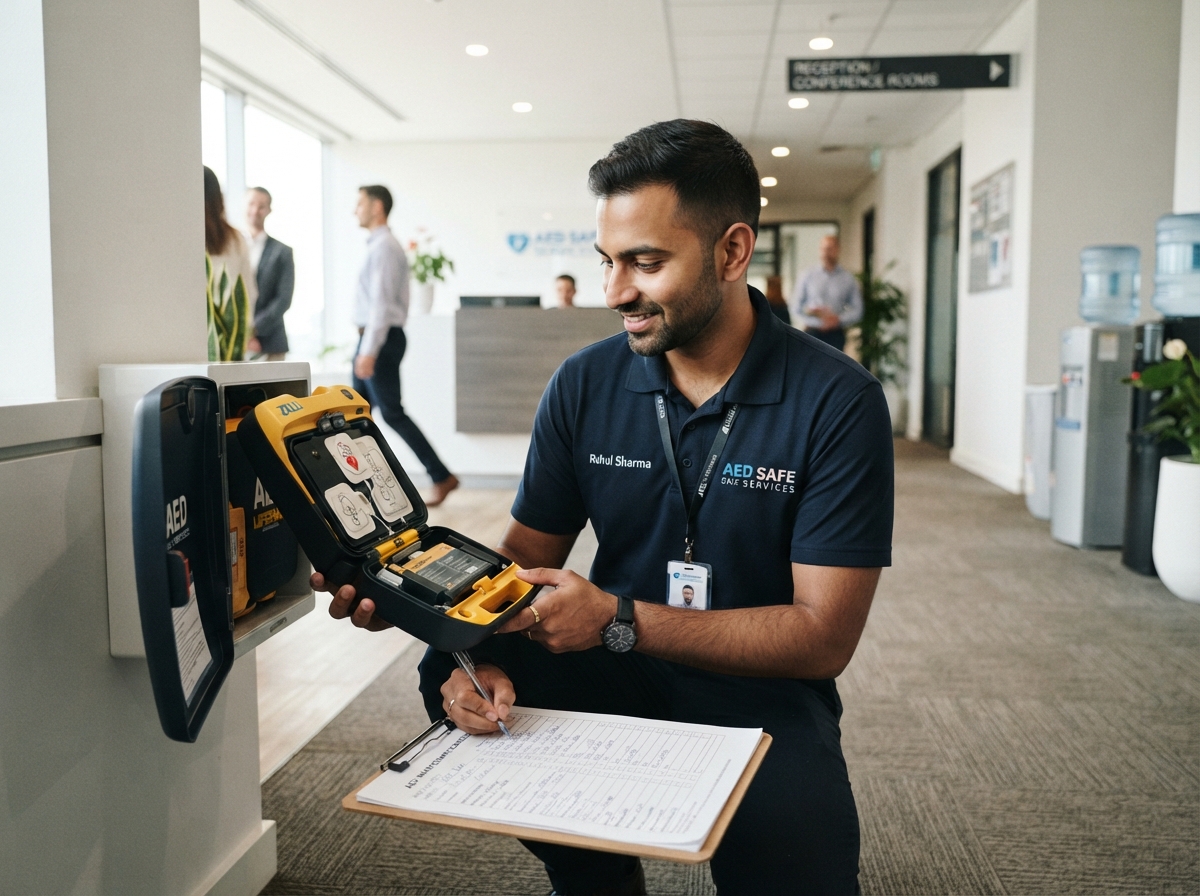
This is where an AED becomes the single most time-critical piece of equipment in the chain. For every minute defibrillation is delayed, survival odds drop significantly. A workplace, school, or gym with a properly maintained AED — installed and serviced through a program like our AED Maintenance service — can close this link in under two minutes instead of waiting eight to ten minutes for an ambulance.
Link 4: Advanced Life Support
Paramedics take over once they arrive, providing medications and advanced airway management.
Link 5: Post-Cardiac Arrest Care
Hospital care, including targeted temperature management, gives the body its best chance to recover.
The Weakest Link Is Usually Defibrillation
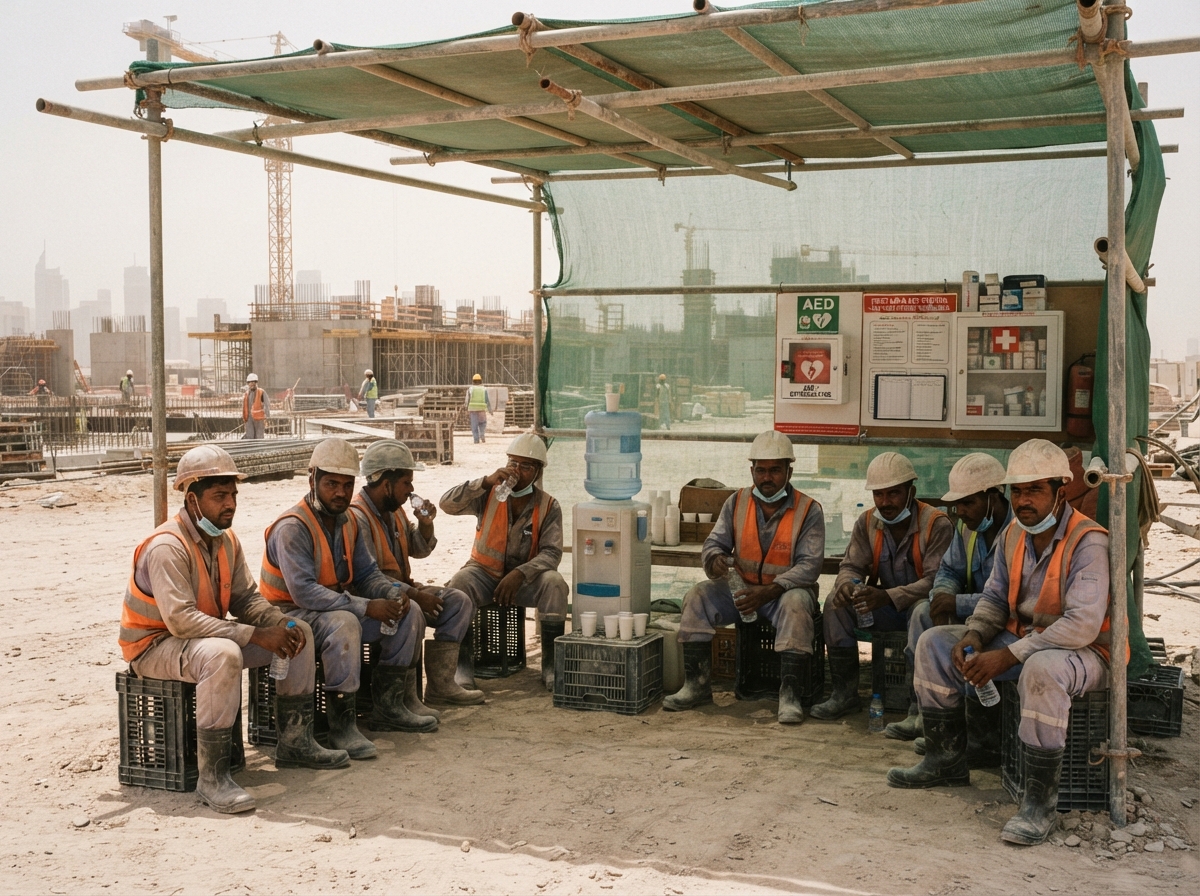
In most public and workplace settings, the weakest link isn't awareness or willingness to help — it's the absence of a nearby, working AED. That single gap is exactly what Heart First Response exists to close across Dubai and the UAE.
Close the Weakest Link in Your Emergency Response
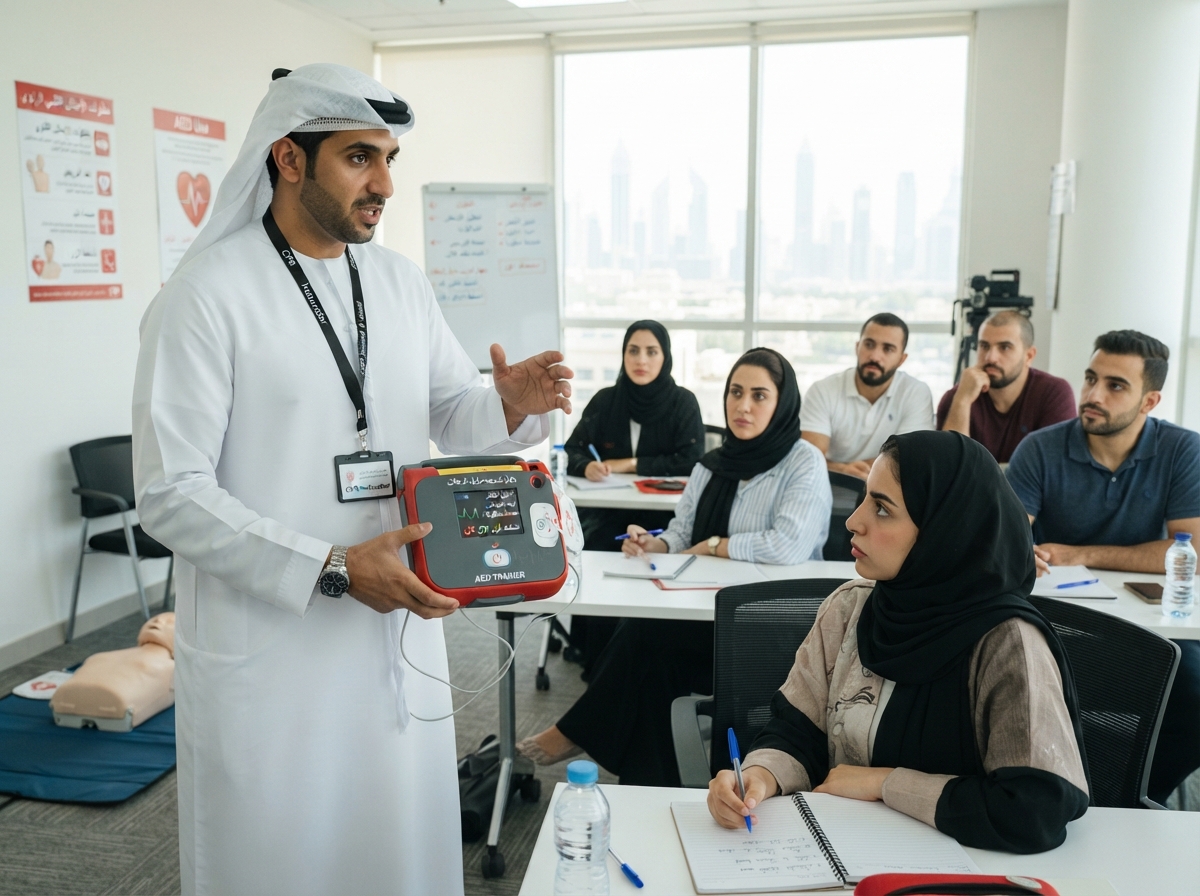
Heart First Response supplies, installs, maintains and trains organizations on AEDs across Dubai, United Arab Emirates and the wider Gulf region. Call us on +971 52 1746500 or visit heartfirstaed.com to get started.