CPR certification has become an increasingly common expectation across UAE workplaces, schools, and community organizations. If you're considering it for the first time, here's what the process generally involves.
What Certification Actually Covers
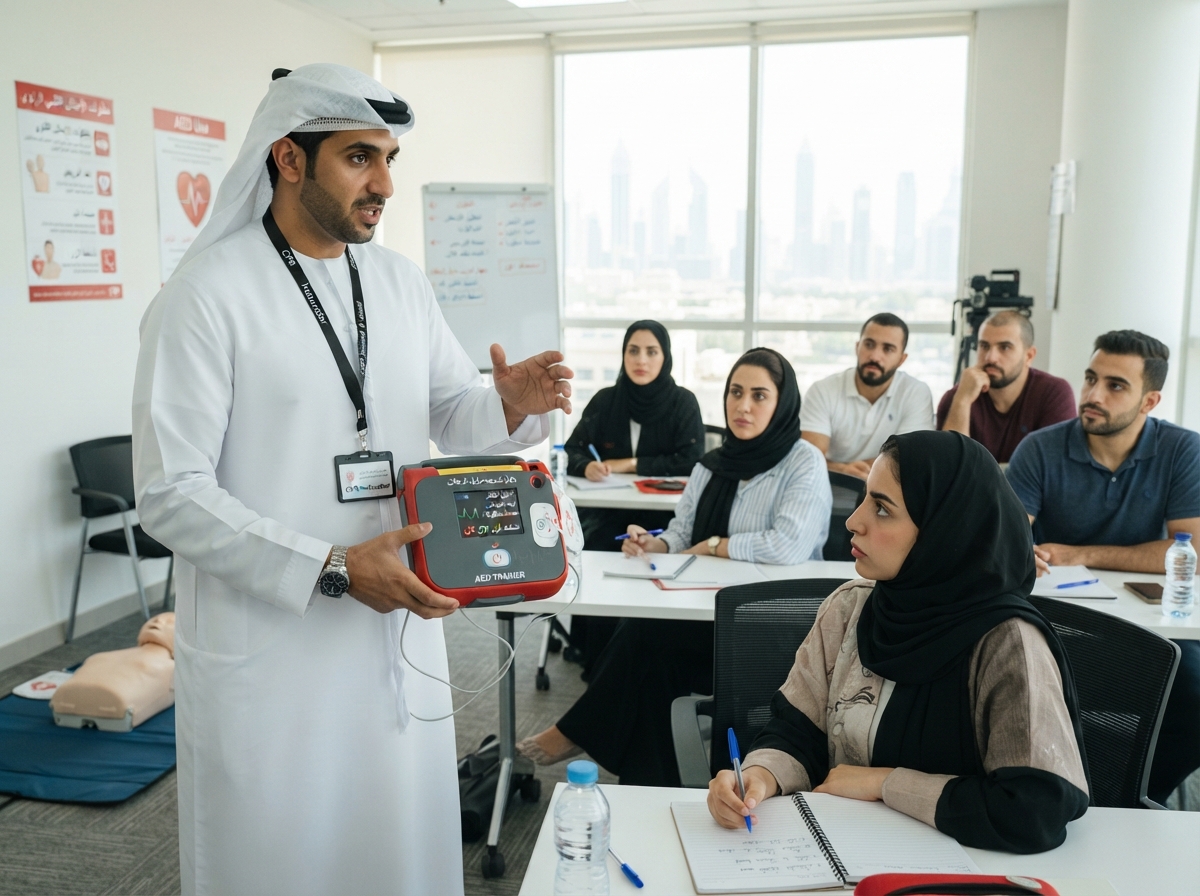
A proper CPR certification course covers recognizing cardiac arrest, performing effective chest compressions, rescue breathing technique, and — in combined courses — AED operation as part of the same rescue sequence.
Hands-On Practice Is Essential
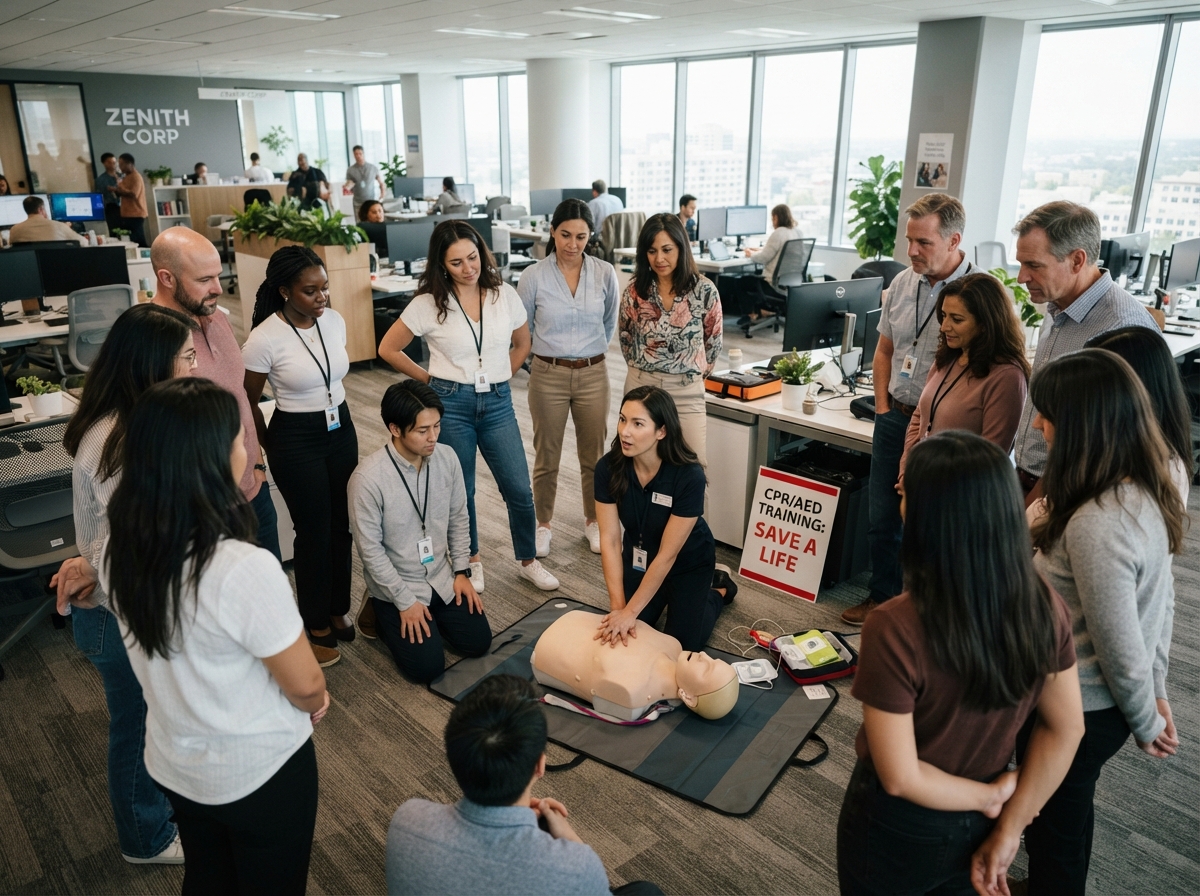
Look for providers that include genuine hands-on practice with training manikins, not just a video and a multiple-choice quiz. Physical skill retention depends heavily on actual repetition, not passive viewing.
Certification Validity Periods
Most CPR certifications are valid for one to two years before requiring renewal, reflecting how quickly hands-on skills can fade without practice — a detail worth factoring into any organizational training calendar.
Choosing Between Individual and Corporate Courses
Individuals can typically join smaller open sessions, while organizations often benefit more from on-site corporate training scheduled around their own operations and delivered to their full team at once.
What to Look for in a Provider
Choose a provider that combines recognized certification with genuinely practical, scenario-based teaching — and ideally one that can also support your organization with the equipment side, not just the training.
Get Certified With Us
Our AED Training programs combine CPR certification with hands-on AED practice, delivered on-site across Dubai and the UAE. Request a quote to schedule your session.
Get Certified With a Local Provider
Heart First Response supplies, installs, maintains and trains organizations on AEDs across Dubai, United Arab Emirates and the wider Gulf region. Call us on +971 52 1746500 or visit heartfirstaed.com to get started.