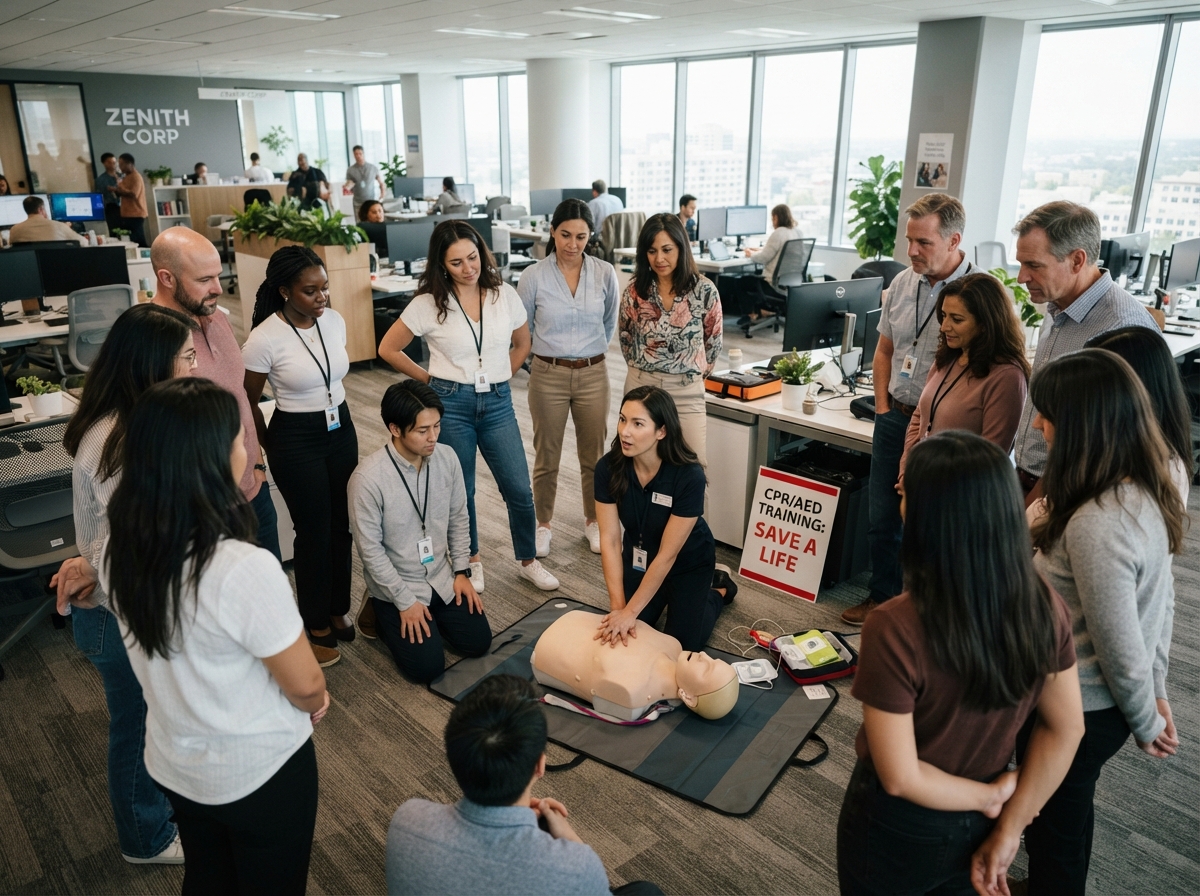
Beyond individual training, many well-prepared organizations formalize a dedicated Emergency Response Team — a defined group with specific roles, ongoing training, and clear ownership of workplace emergency readiness.
Why Formalize a Team at All?
Without clear ownership, emergency preparedness tends to quietly decay — training lapses, equipment maintenance gets forgotten, and institutional knowledge walks out the door with staff turnover. A formal team creates accountability.
Choosing Team Members
Select volunteers across departments and shifts, not just from one team or floor, so coverage exists throughout the building and across working hours, including any shift patterns your organization runs.
Defining Clear Roles
Assign specific responsibilities — who leads a response, who retrieves equipment, who manages communication with emergency services and other staff — so the team isn't figuring out roles in the moment of an actual emergency.
Ongoing Training Cadence
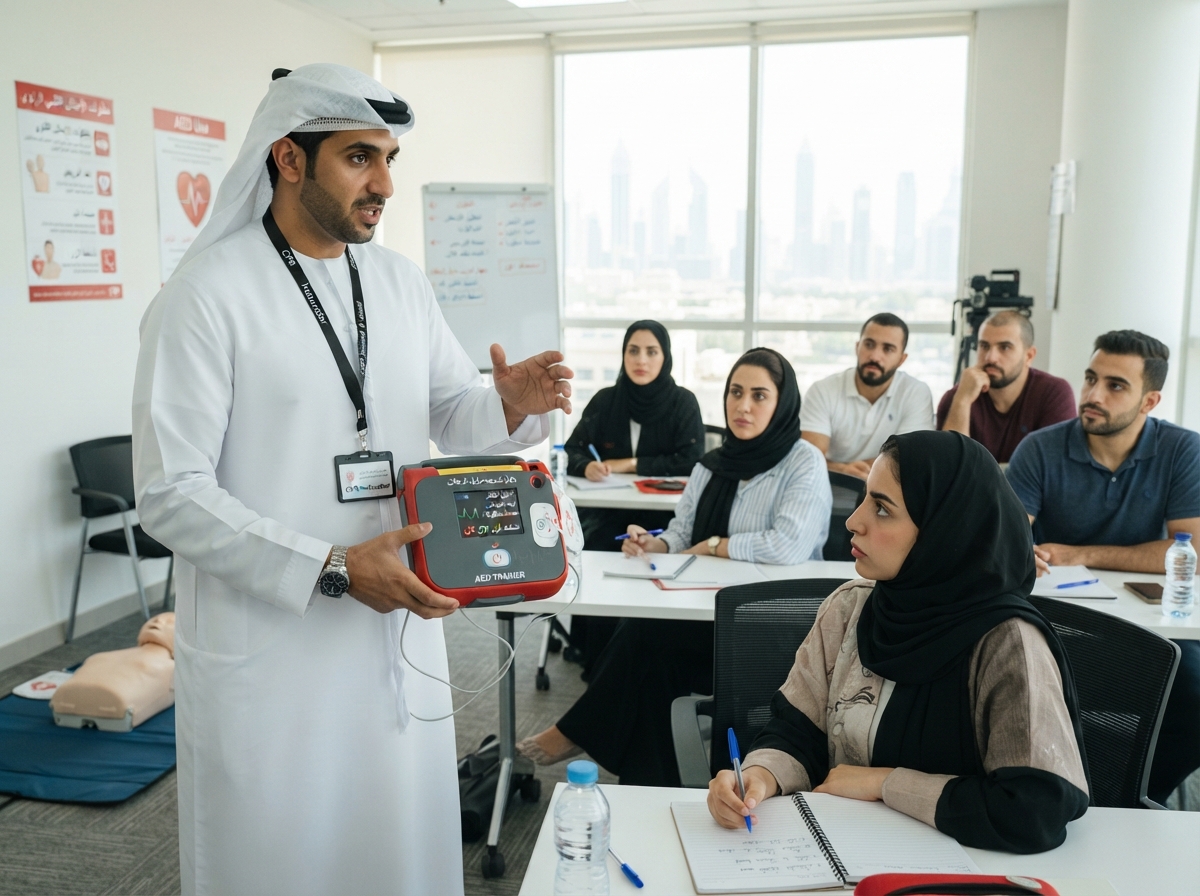
A response team should train more frequently and thoroughly than the general staff population, given their expected role during an actual event. Combine formal AED Training with regular drills to keep skills sharp.
Equipment Ownership
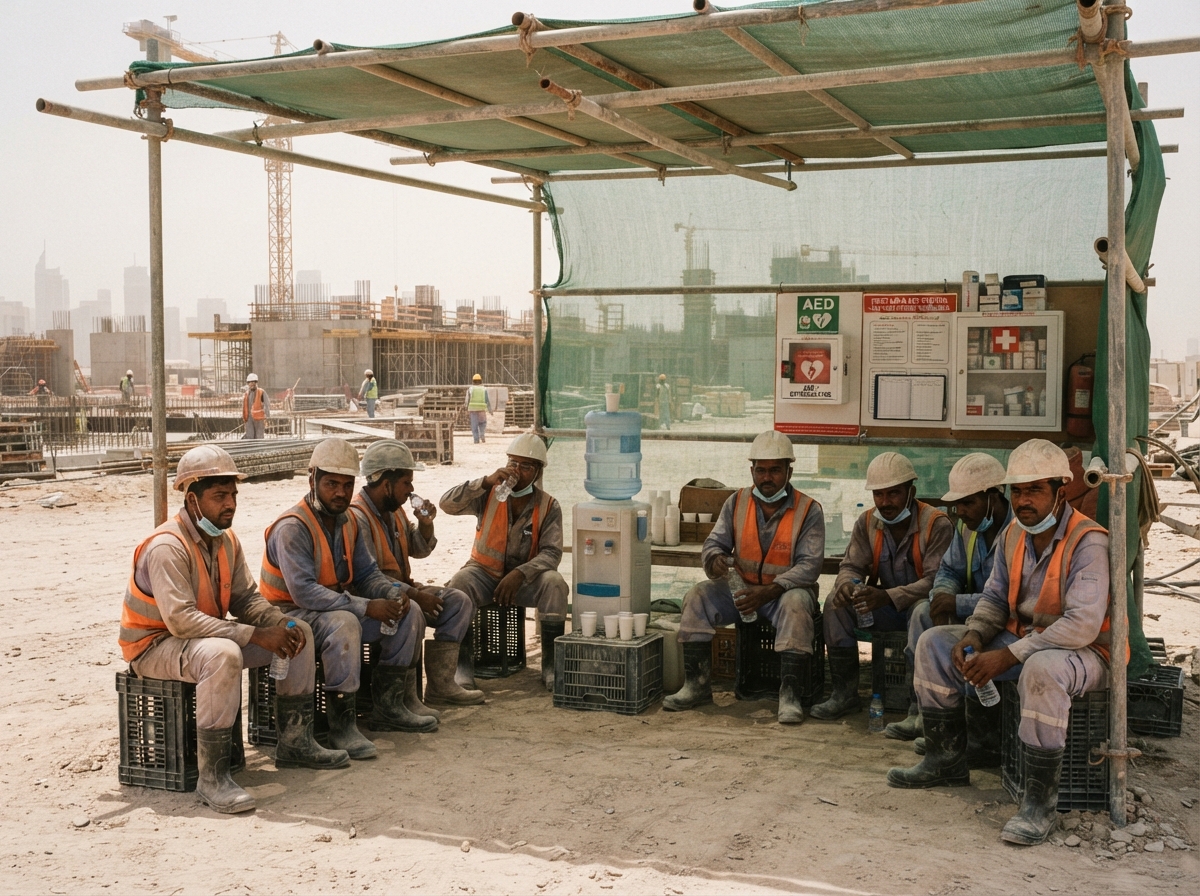
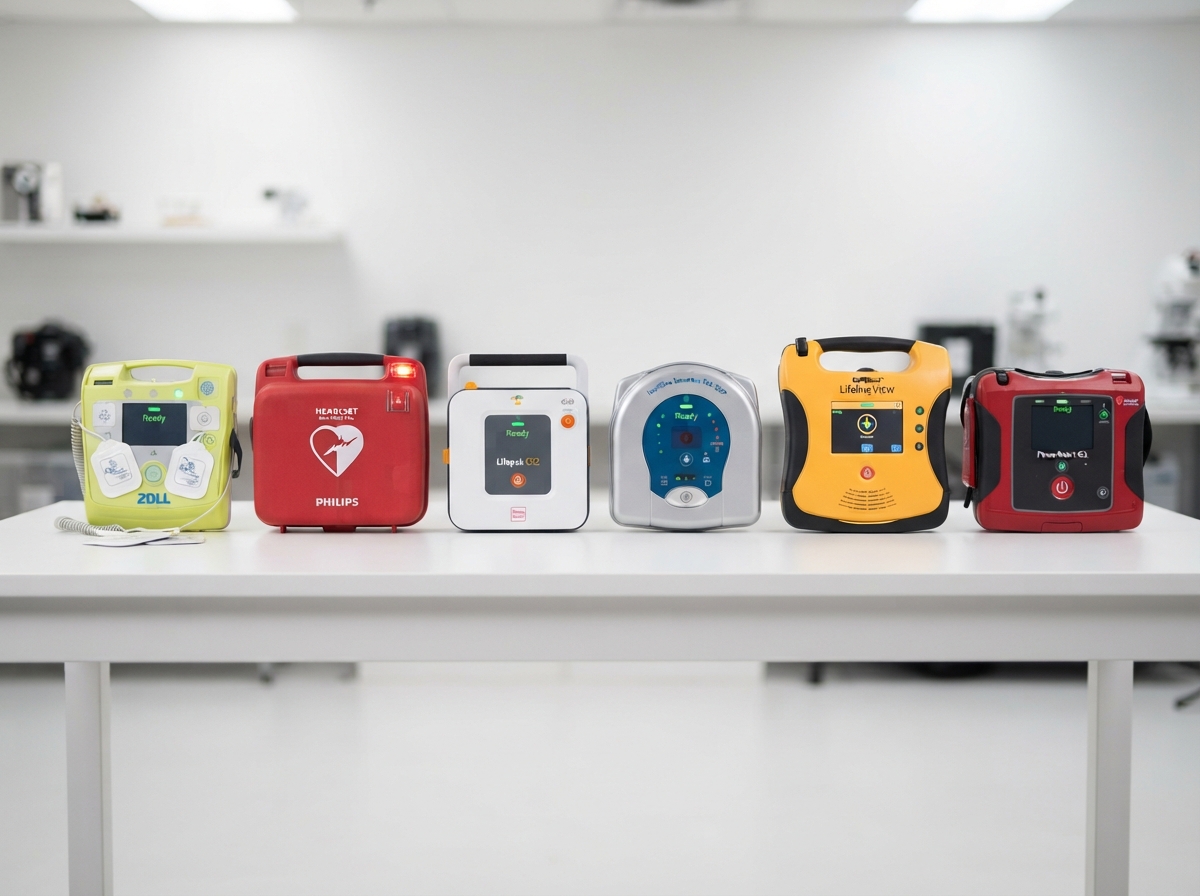
Assign clear responsibility for AED and first aid equipment checks to specific team members, backed by a documented Maintenance schedule.
Communicating the Team to Wider Staff
Make sure the whole organization knows the team exists and how to reach them quickly — a response team no one knows about provides limited practical value.
Build Your Team With Expert Support
We help UAE organizations design and train dedicated emergency response teams from the ground up — get in touch for a Consultation.
Build a Dedicated Response Team
Heart First Response supplies, installs, maintains and trains organizations on AEDs across Dubai, United Arab Emirates and the wider Gulf region. Call us on +971 52 1746500 or visit heartfirstaed.com to get started.