Electrical shock and electrocution can directly disrupt the heart's rhythm, triggering cardiac arrest — a genuine risk in industrial, construction and maintenance settings, with one critical safety step before any response can begin.
The First Step Is Always Safety, Not Response
Before approaching anyone who may still be in contact with an electrical source, the power must be switched off or the person safely separated from the source using a non-conductive object — approaching too soon can create a second casualty.
Once Safe, the Response Follows Standard Protocol
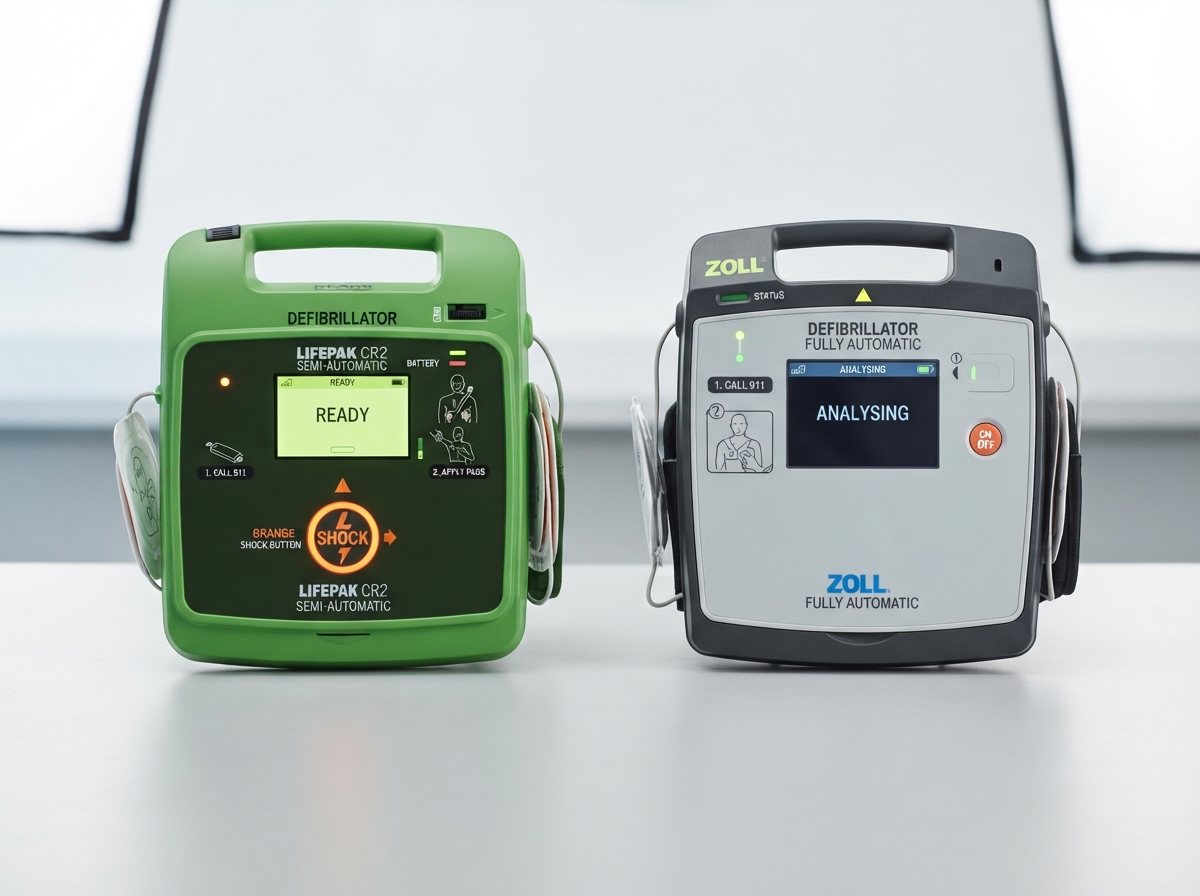
After confirming the scene is genuinely safe, the response to electrical-shock-induced cardiac arrest follows the same CPR and AED sequence as any other cause.
Why This Matters for Industrial and Maintenance Teams
Electricians, maintenance staff and industrial workers face this specific risk directly, making this scenario worth including explicitly in their AED and first aid training, not just general content.
Burns May Accompany the Cardiac Event
Electrical injuries can include burns at the entry and exit points — while the cardiac response takes priority, responders should be aware additional injuries may be present.
Workplace Electrical Safety Programs Should Reference This
Organizations with genuine electrical risk exposure should ensure their electrical safety training explicitly connects to their AED and CPR response training, not treat them as unrelated topics.
Build This Into Your Team's Training
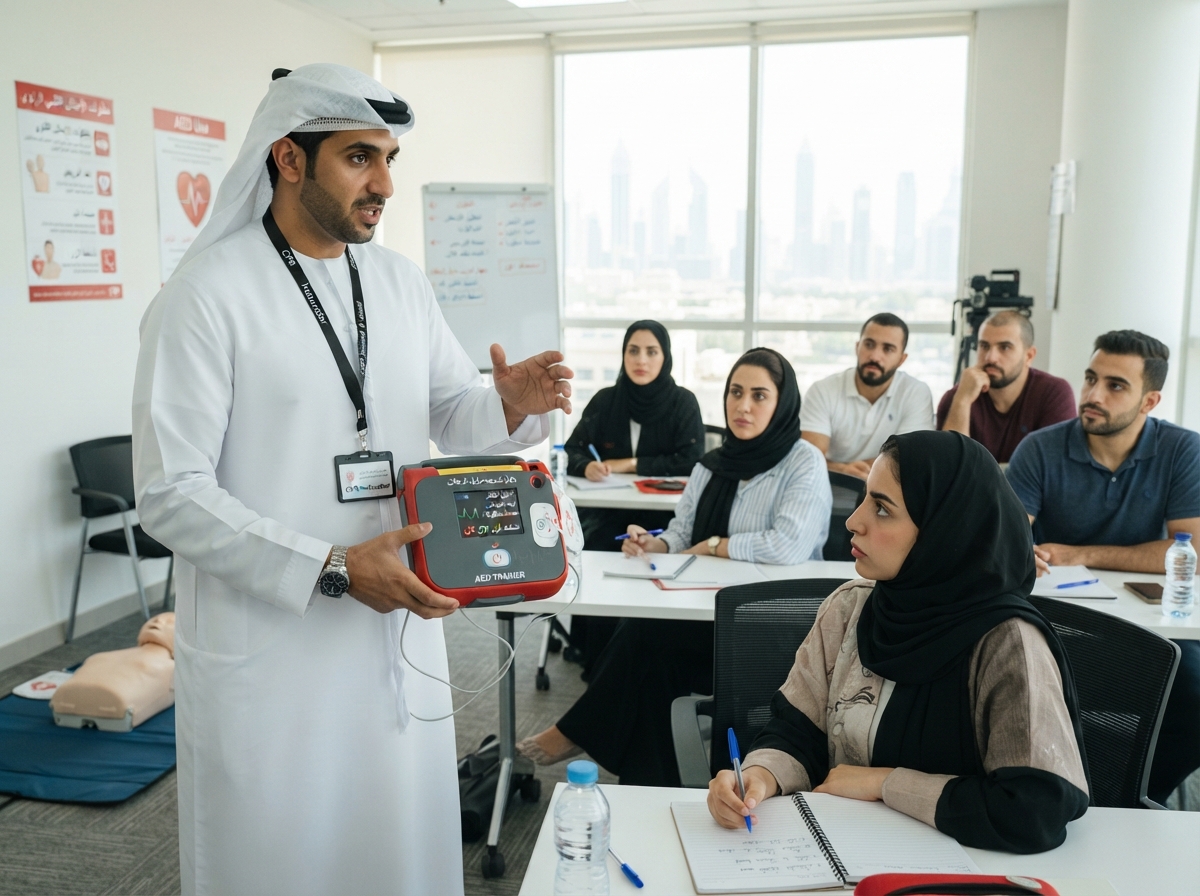
Our AED Training can specifically cover electrical safety scenarios for teams with this risk exposure. Get in touch to schedule your team.
Build This Into Your Team's Training
Heart First Response supplies, installs, maintains and trains organizations on AEDs across Dubai, United Arab Emirates and the wider Gulf region. Call us on +971 52 1746500 or visit heartfirstaed.com to get started.