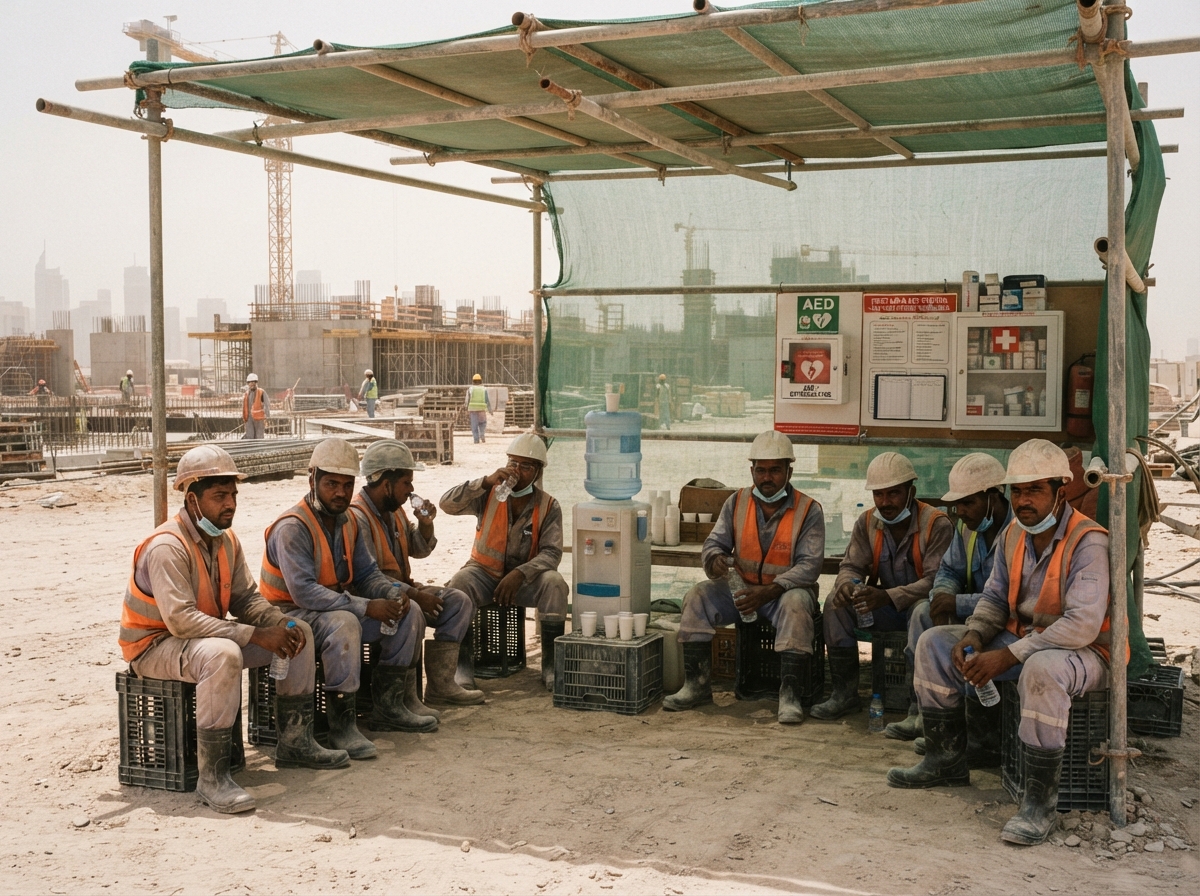
The UAE's workforce is remarkably international, with employees arriving from dozens of countries and widely varying levels of prior exposure to CPR and AED training. This diversity has real implications for how organizations should approach emergency preparedness.
Varying Baseline Familiarity
CPR and AED education is standard in some school systems and workplaces internationally, and far less common in others. Assuming a uniform baseline of emergency knowledge across a diverse UAE workforce is a common — and risky — mistake.
Language Considerations in Training
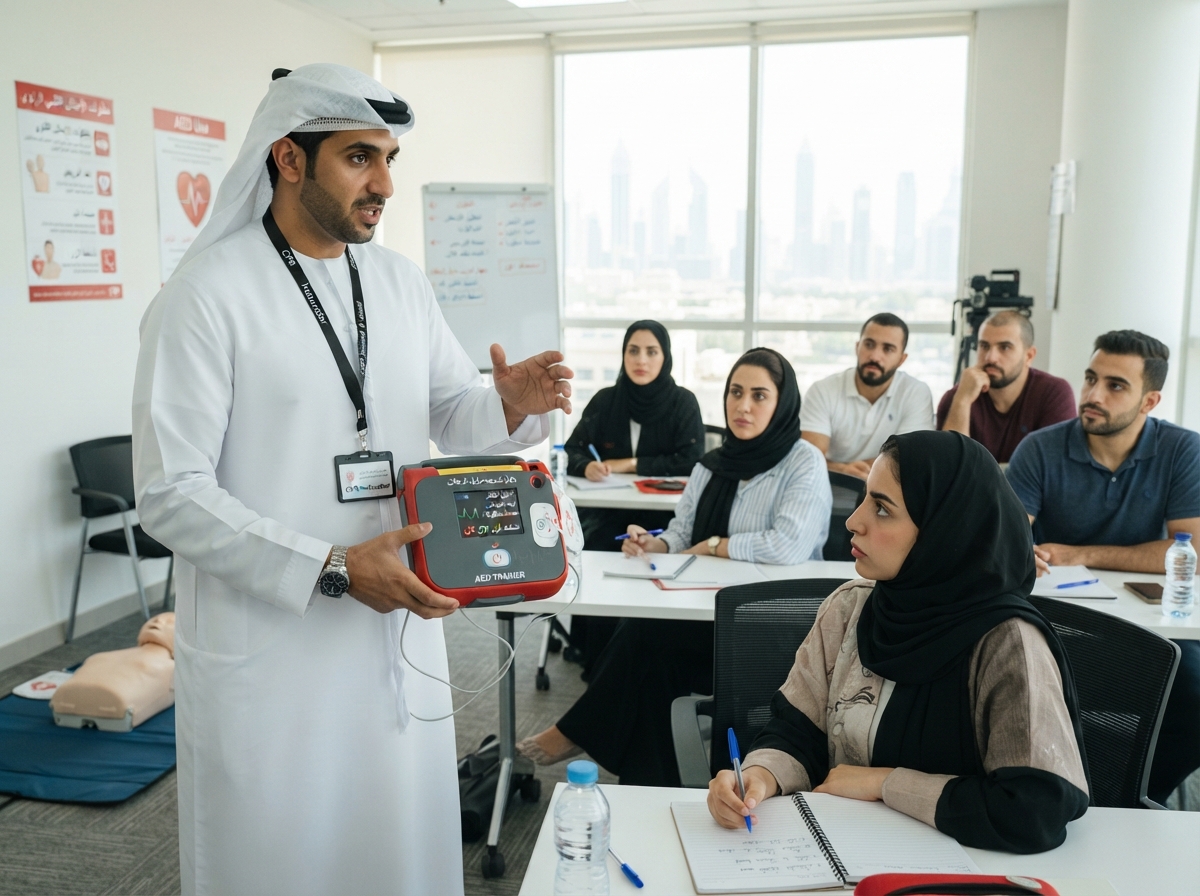
Effective emergency training accounts for language diversity — clear visual instruction, hands-on practice, and devices with intuitive voice guidance all help bridge language gaps when English isn't every employee's first language.
Devices Designed for Universal Use
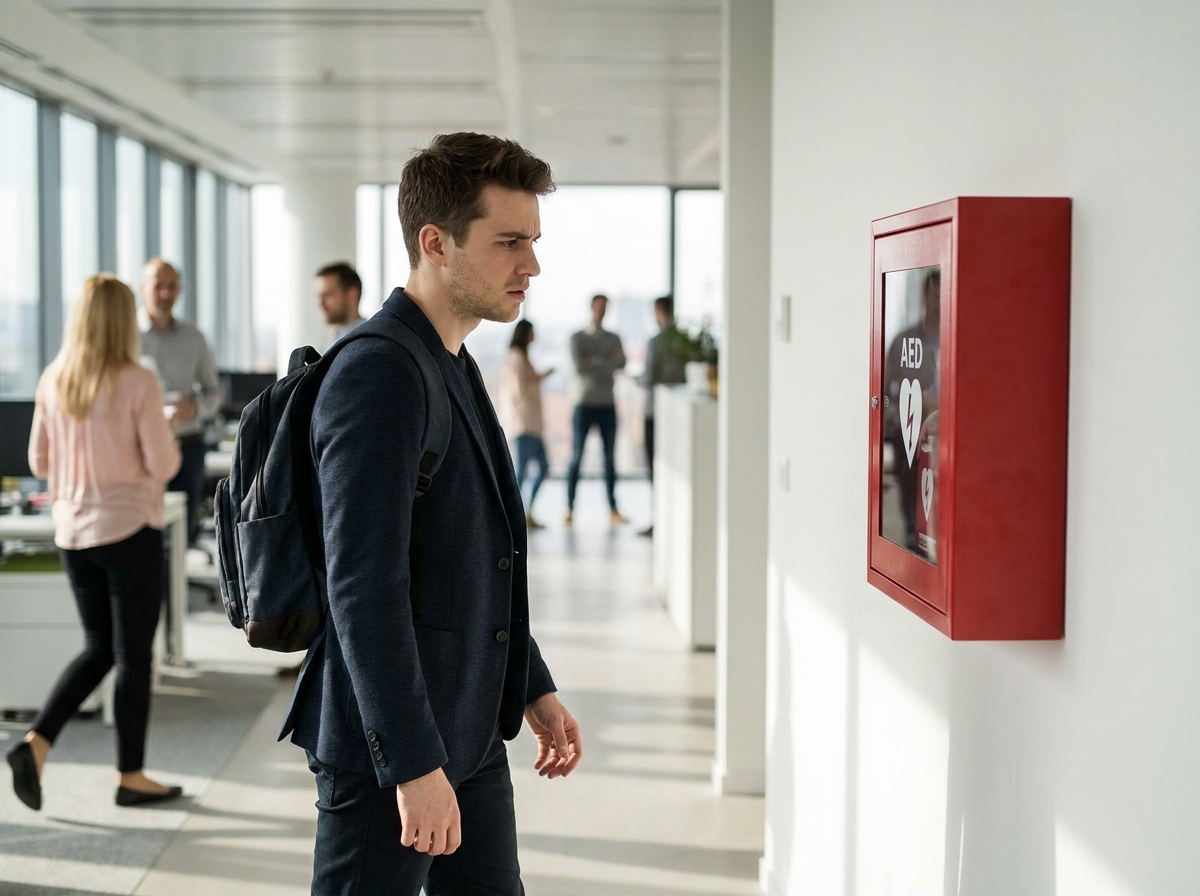
Modern AEDs are built around simple, largely visual and audio-guided processes precisely because they need to work for rescuers regardless of medical background or first language — a genuinely global design approach.
Building an Inclusive Training Program
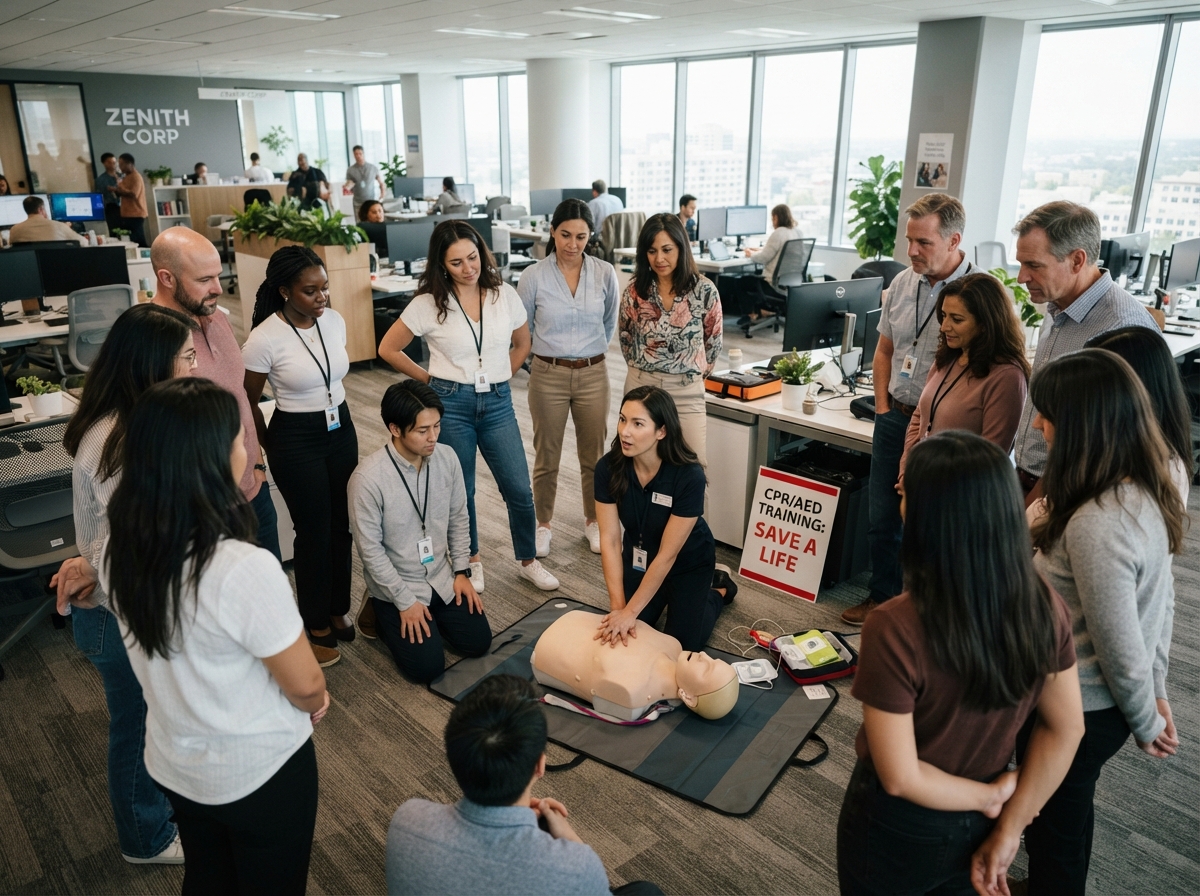
The most effective corporate training programs actively involve employees across departments and backgrounds, rather than defaulting to a single "safety officer" model that leaves most of the workforce unprepared.
A Shared Responsibility
With a workforce this diverse, emergency readiness works best as a genuinely shared responsibility across every level and department, not a checkbox owned by one team.
Train Your Whole Team
Our AED Training sessions are designed to be accessible and practical for teams of any background — get in touch to schedule yours.
Prepare Your Diverse Team Together
Heart First Response supplies, installs, maintains and trains organizations on AEDs across Dubai, United Arab Emirates and the wider Gulf region. Call us on +971 52 1746500 or visit heartfirstaed.com to get started.