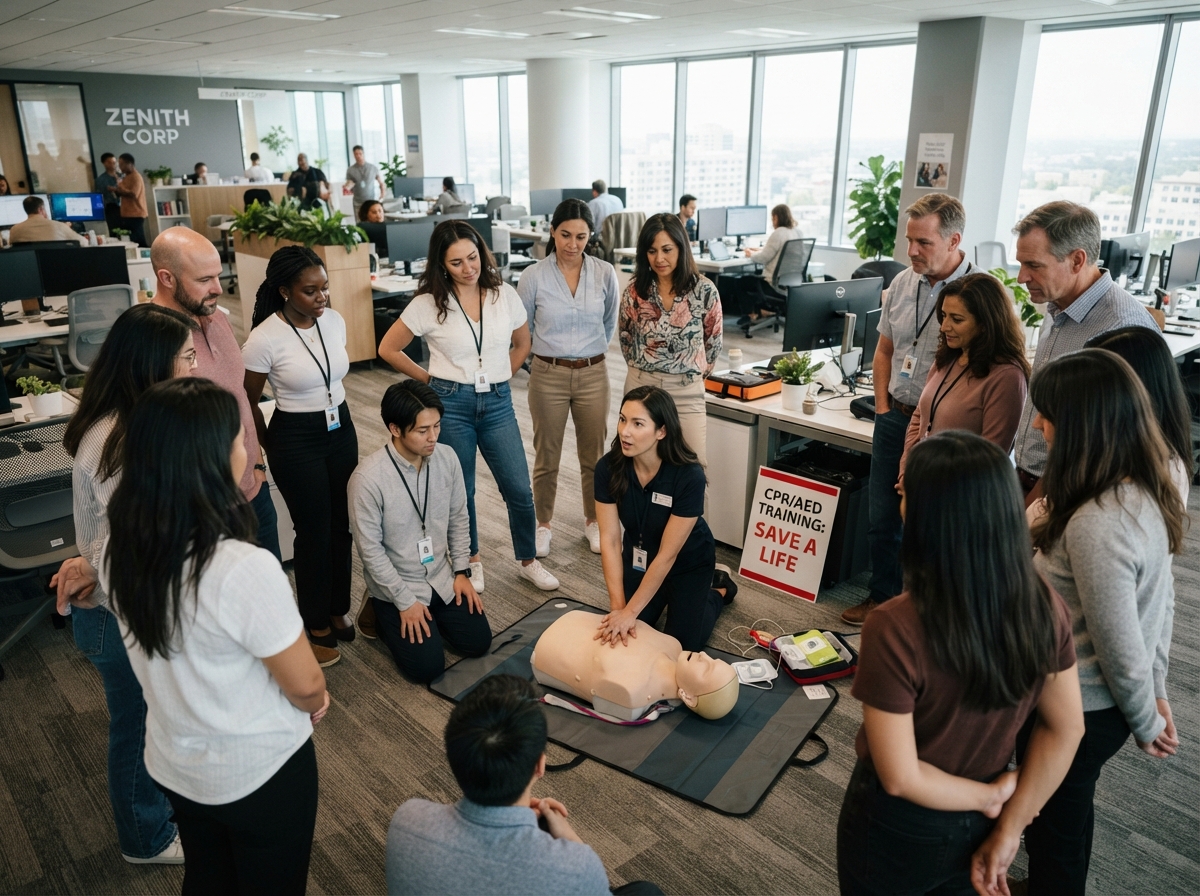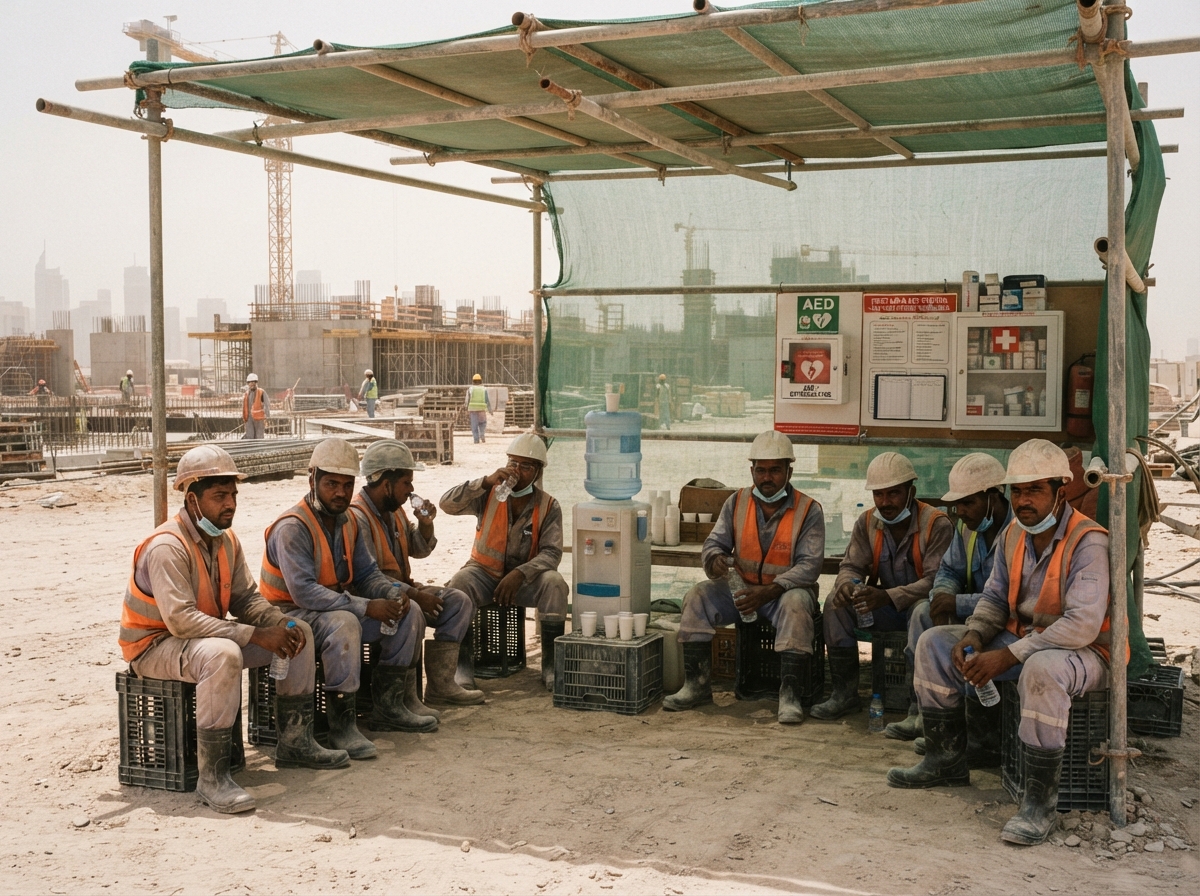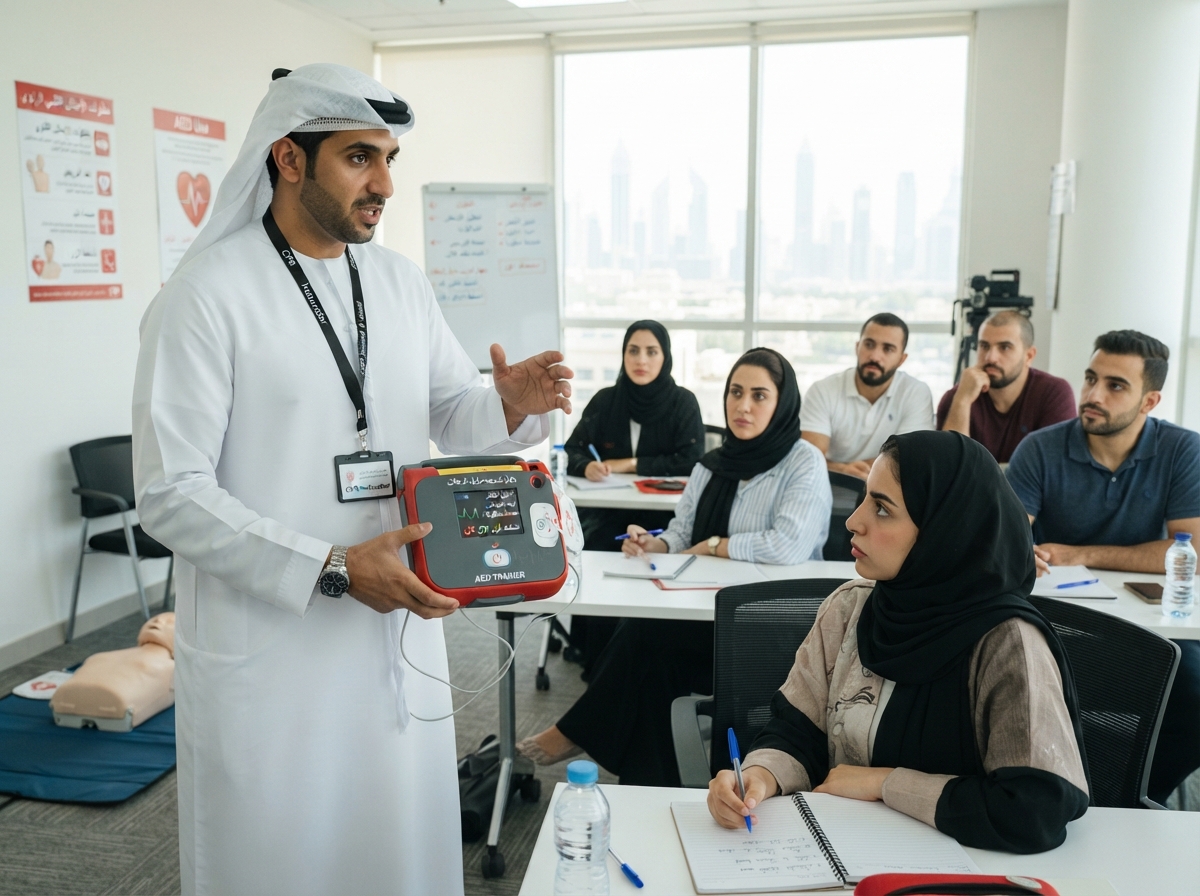
Almost every workplace has a first aid kit. Far fewer have an AED. The assumption seems to be that one covers the other — but a first aid kit and an AED are built for fundamentally different kinds of emergencies.
What a First Aid Kit Handles
Bandages, antiseptic, burn gel, and splints address physical injuries — cuts, sprains, minor burns, and similar incidents that make up the overwhelming majority of workplace first aid needs.
What Only an AED Can Handle
Sudden cardiac arrest is an electrical malfunction of the heart. No amount of bandaging or wound care addresses this — only a defibrillator can deliver the shock needed to potentially restore a normal rhythm.
The Danger of Treating Them as Interchangeable
A well-equipped first aid station can create a false sense of complete preparedness if it isn't paired with an AED. The two should be viewed as complementary parts of the same emergency response system, not alternatives to each other.
Why Both, Together, Cover Far More Ground
A comprehensive emergency response setup addresses both the highly likely (minor injuries) and the highly time-critical (cardiac arrest) — together, they give your organization genuine coverage across the realistic range of workplace emergencies.
Budgeting for Both
First aid kits are relatively inexpensive and easy to restock. An AED, paired with a Maintenance plan, represents a larger but proportionate investment given what it protects against.
Complete Your Emergency Coverage
If your workplace has first aid covered but no AED, that's the single biggest gap in your emergency preparedness. Request a quote to close it.
Close the Gap in Your Emergency Coverage
Heart First Response supplies, installs, maintains and trains organizations on AEDs across Dubai, United Arab Emirates and the wider Gulf region. Call us on +971 52 1746500 or visit heartfirstaed.com to get started.