A commonly cited hesitation for bystanders is fear of legal consequences for attempting to help — worth addressing directly, though always with the caveat that specific legal advice should come from a qualified professional, not a blog post.
The General Principle Behind Good Samaritan Protections
Many jurisdictions internationally have some form of legal protection for people who act in good faith to help someone in a genuine emergency, recognizing that hesitation itself causes more harm than well-intentioned action.
Acting in Good Faith Is the Common Thread
The general concept across most such protections centers on reasonable, good-faith action — not expecting perfect medical judgment from an untrained bystander.
This Is a Reason for Confidence, Not a Substitute for Understanding Local Specifics
While the general spirit of protecting good-faith rescuers is common internationally, specific legal frameworks vary by jurisdiction — organizations wanting certainty on this point should consult a qualified legal advisor for their specific situation.
Fear of Consequences Shouldn't Be the Reason Someone Hesitates
As covered in our bystander psychology piece, this specific fear is a genuine, addressable barrier worth including directly in training conversations.
Focus Training on Confidence, Not Legal Anxiety
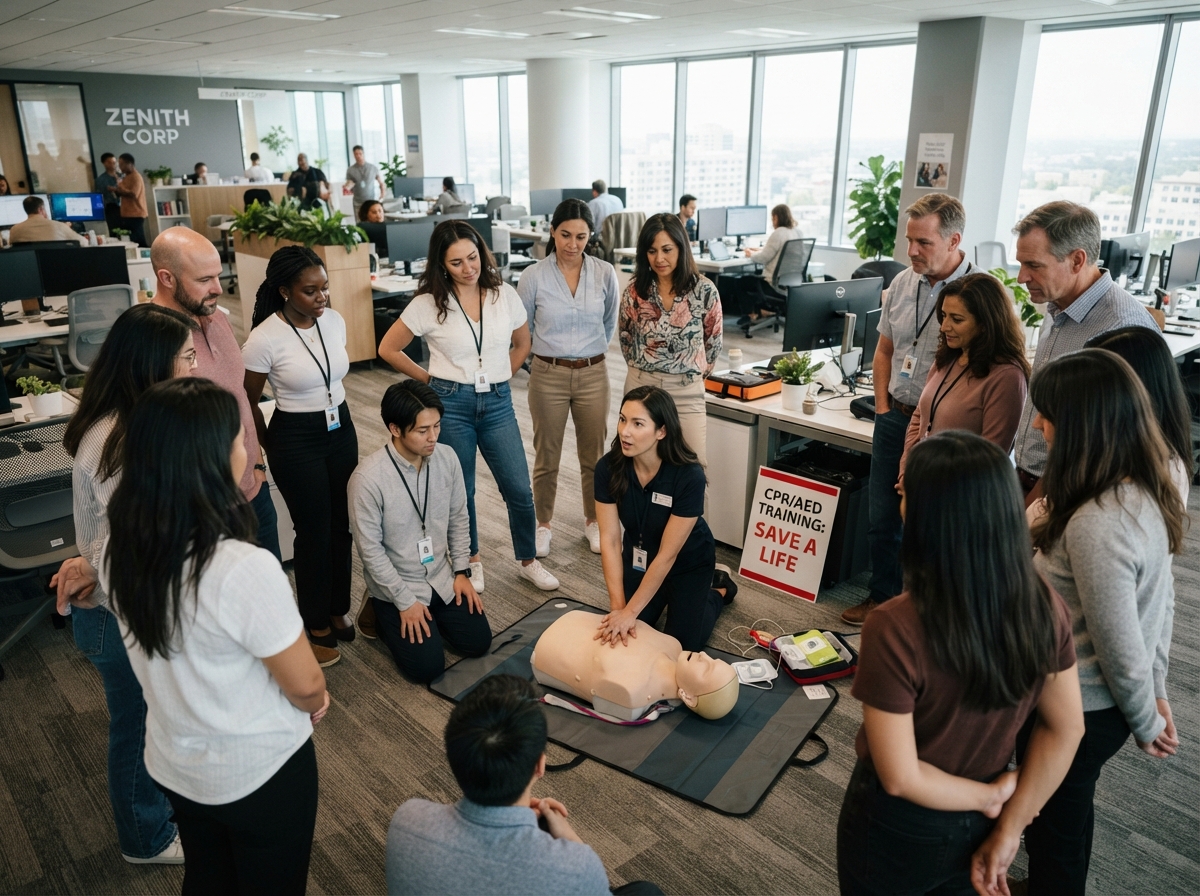
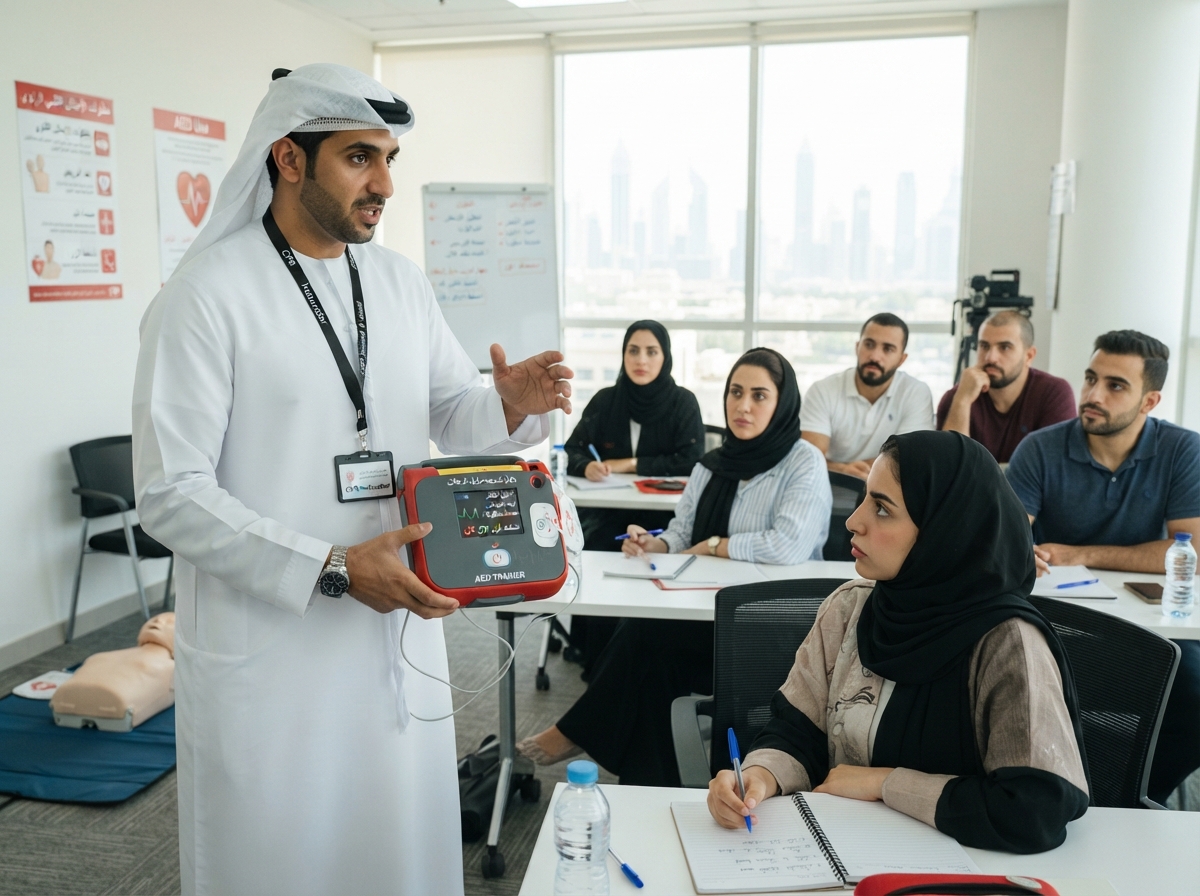
Good AED training should address this hesitation directly, helping people understand that acting to help in good faith is broadly what these frameworks exist to support.
Build Genuine Confidence to Act
Our AED Training directly addresses common hesitations, including this one. Get in touch to schedule your team.
Build Genuine Confidence to Act
Heart First Response supplies, installs, maintains and trains organizations on AEDs across Dubai, United Arab Emirates and the wider Gulf region. Call us on +971 52 1746500 or visit heartfirstaed.com to get started.