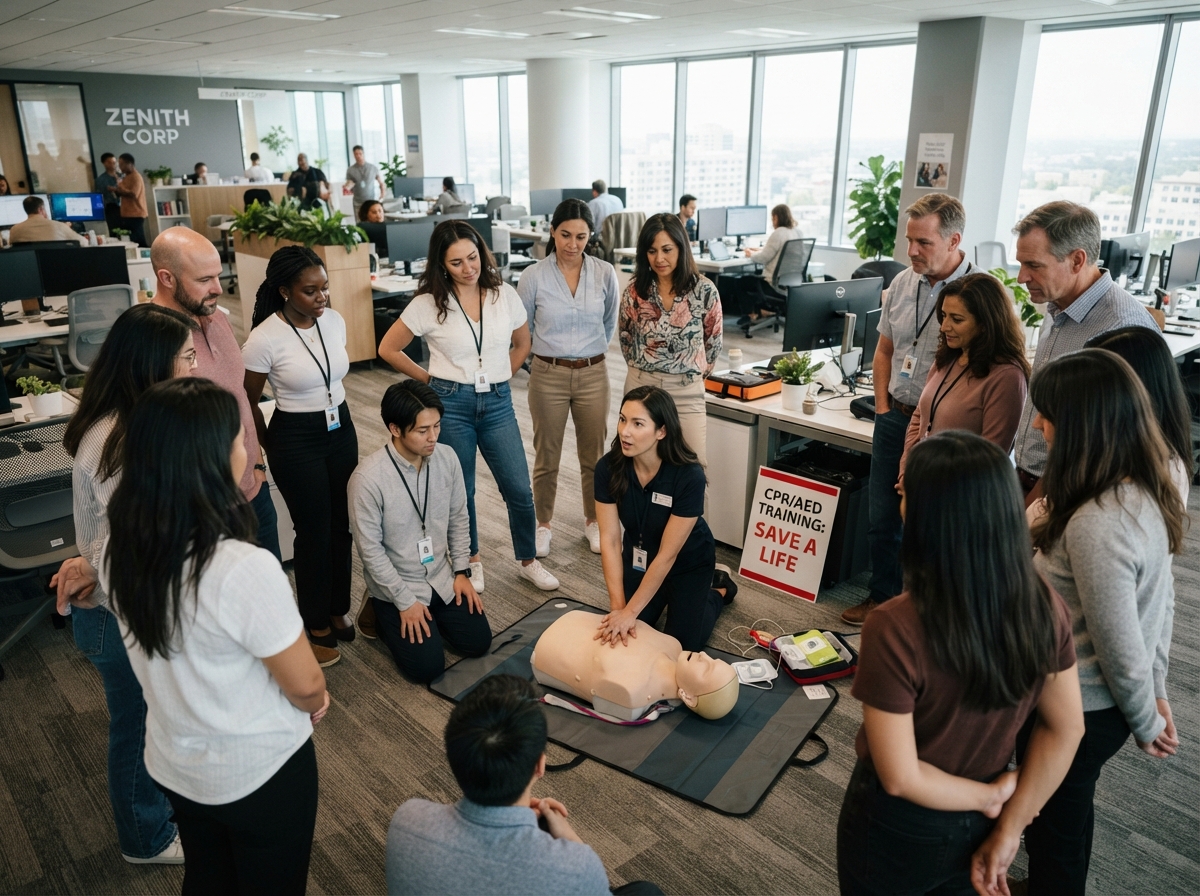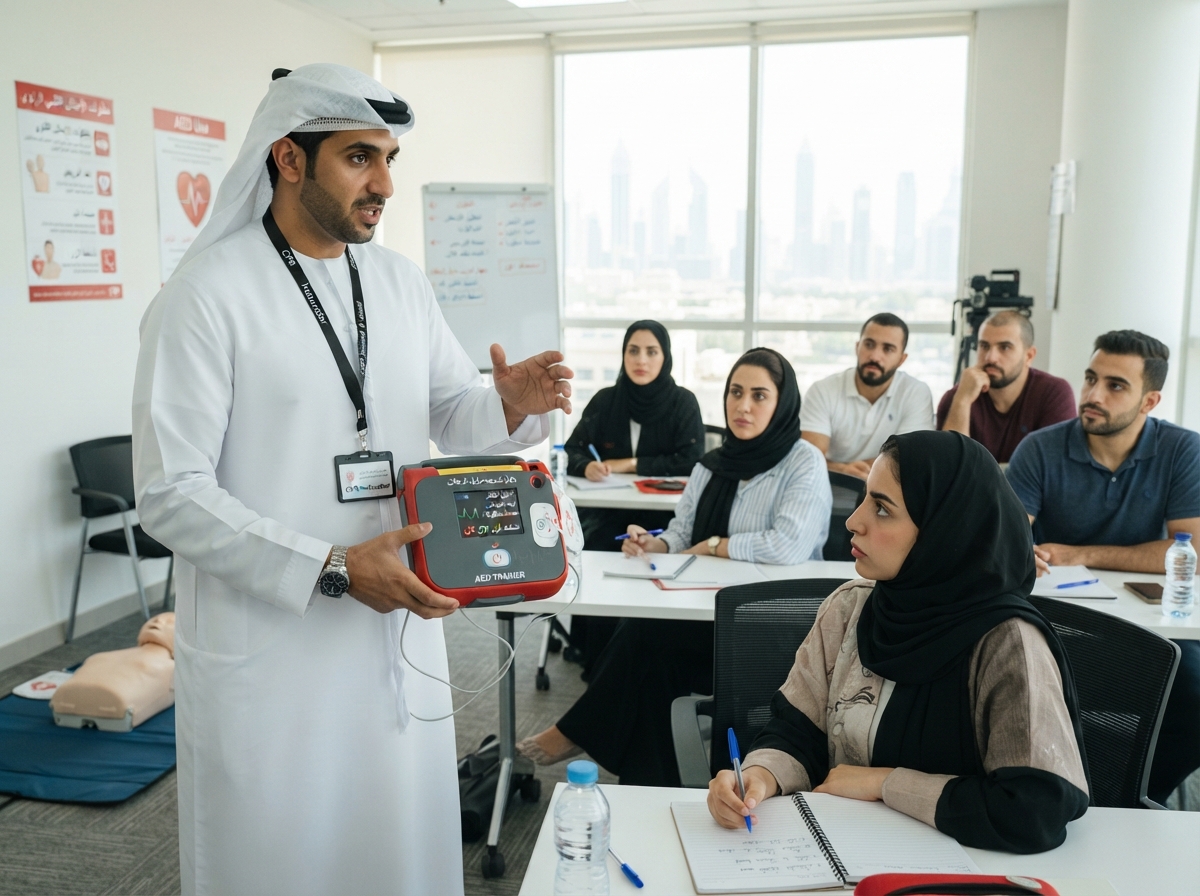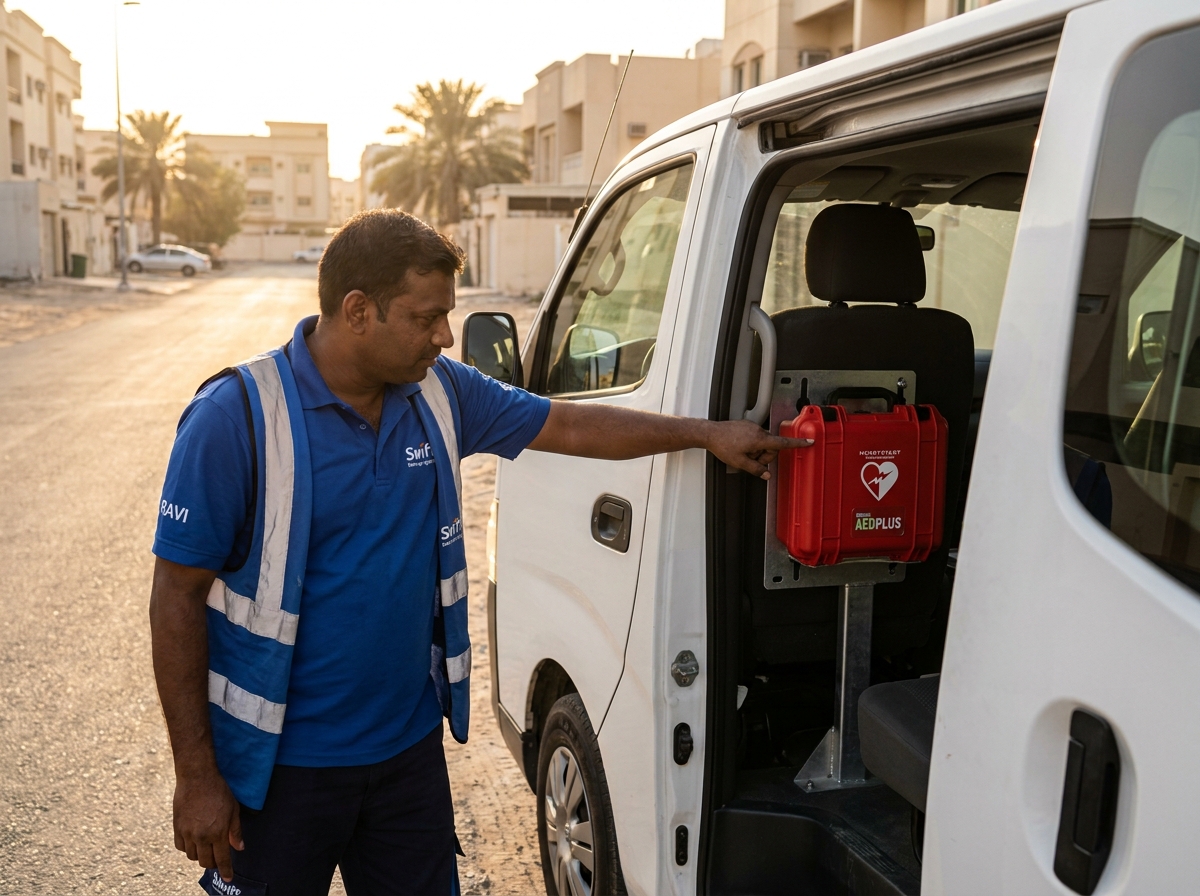
The UAE's summer climate — routinely exceeding 45°C with high humidity — is more than an inconvenience. It places measurable additional strain on the cardiovascular system, a factor worth understanding for anyone responsible for workplace or community safety.
How Heat Stresses the Heart
In extreme heat, the heart works harder to pump blood toward the skin's surface for cooling, while simultaneously managing the effects of dehydration and electrolyte loss through sweat — a combination that increases cardiovascular strain, particularly during physical exertion.
Who Faces the Highest Risk
Outdoor laborers, athletes training in summer conditions, older residents, and anyone with pre-existing cardiac conditions face elevated risk during peak heat months, particularly outside the UAE's mandated midday work break periods.
Recognizing Heat-Related Cardiac Distress
Symptoms such as dizziness, confusion, chest discomfort, or irregular heartbeat during heat exposure should never be dismissed as "just the heat" — these can be early warning signs of a genuine cardiac event.
Why This Matters for AED Planning
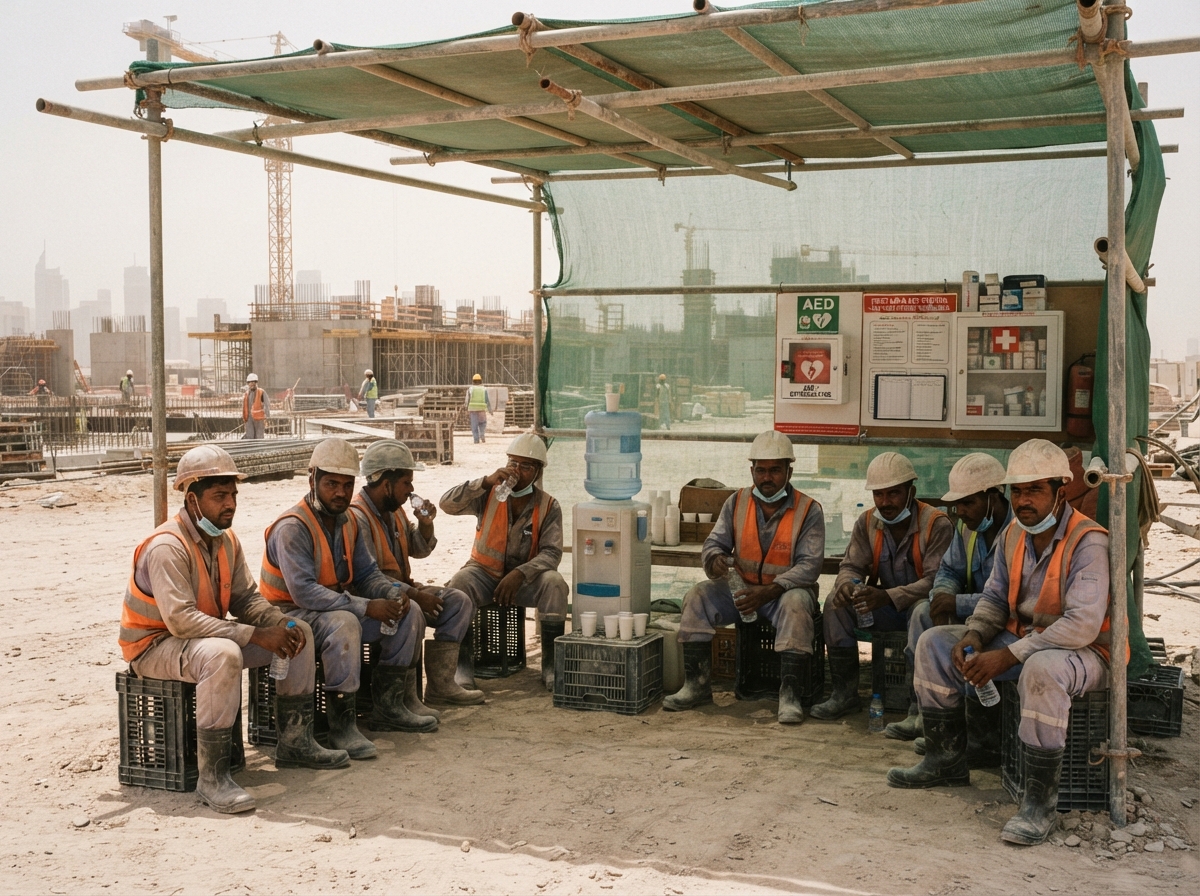
Organizations with outdoor workers, sports facilities, or older communities should factor heat-related cardiac risk into where AEDs are placed — outdoor break areas, hydration stations, and shaded rest zones are all worth considering.
A Broader Emergency Preparedness Mindset
Heat safety protocols and cardiac emergency readiness go hand in hand during UAE summers — hydration policies, rest breaks, and accessible AEDs all form part of the same protective framework.
Prepare Your Team for Summer Conditions
Speak with our team about heat-conscious AED placement and training for your outdoor or physically demanding workforce — get in touch today.
Prepare for Summer Cardiac Risk
Heart First Response supplies, installs, maintains and trains organizations on AEDs across Dubai, United Arab Emirates and the wider Gulf region. Call us on +971 52 1746500 or visit heartfirstaed.com to get started.