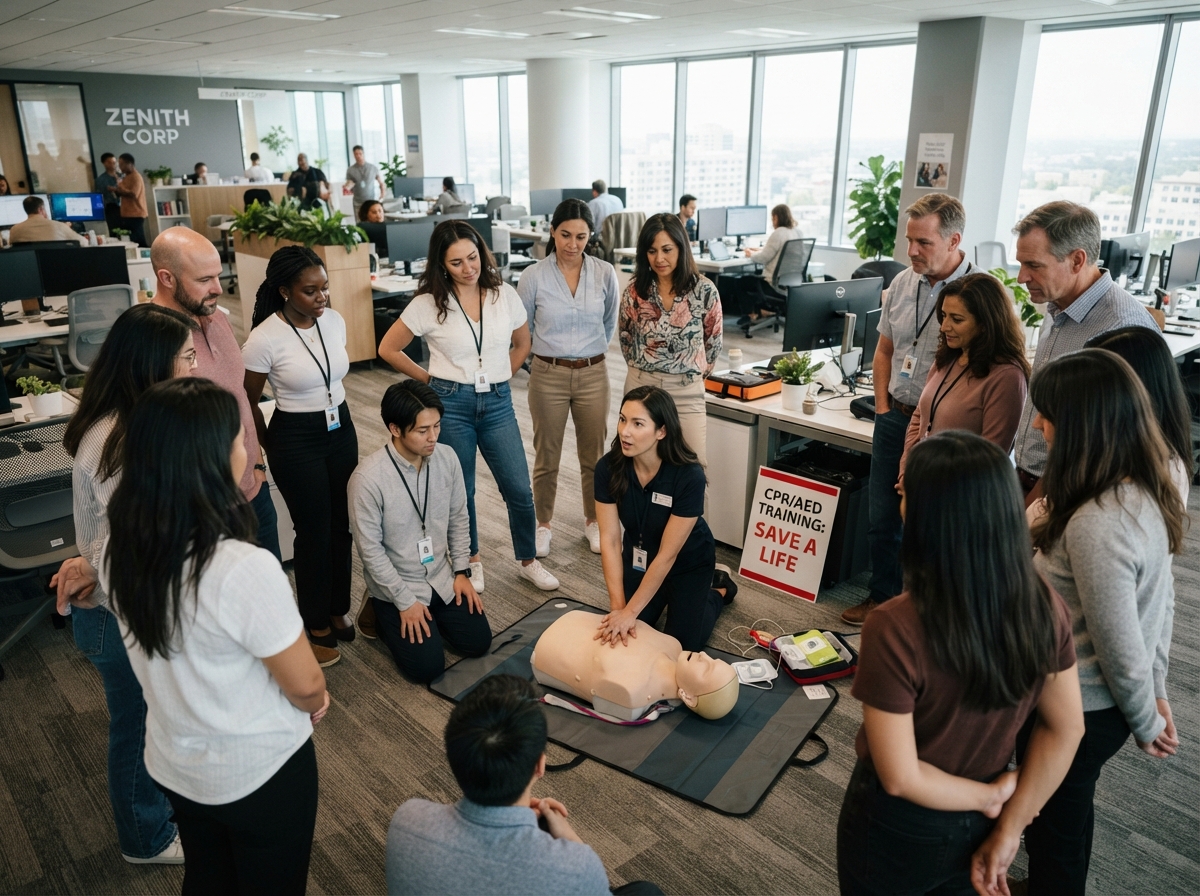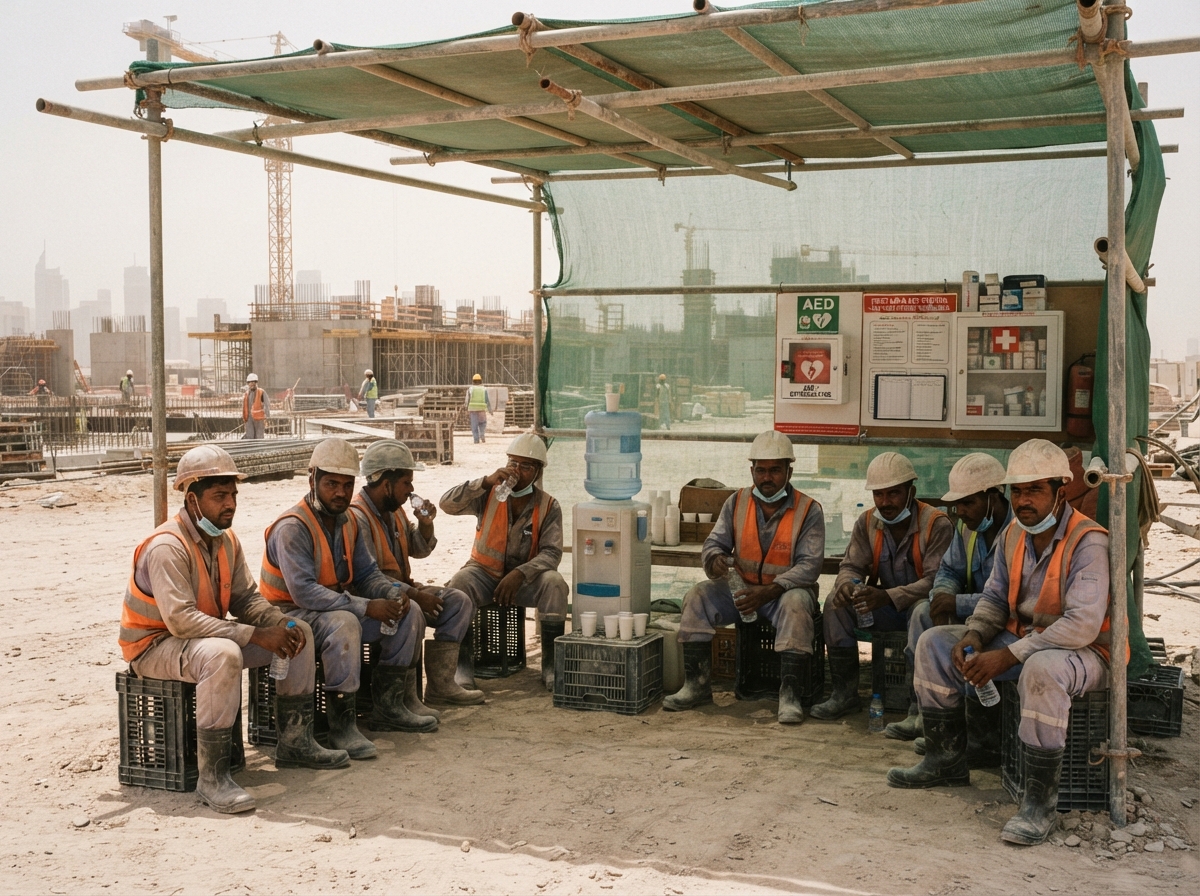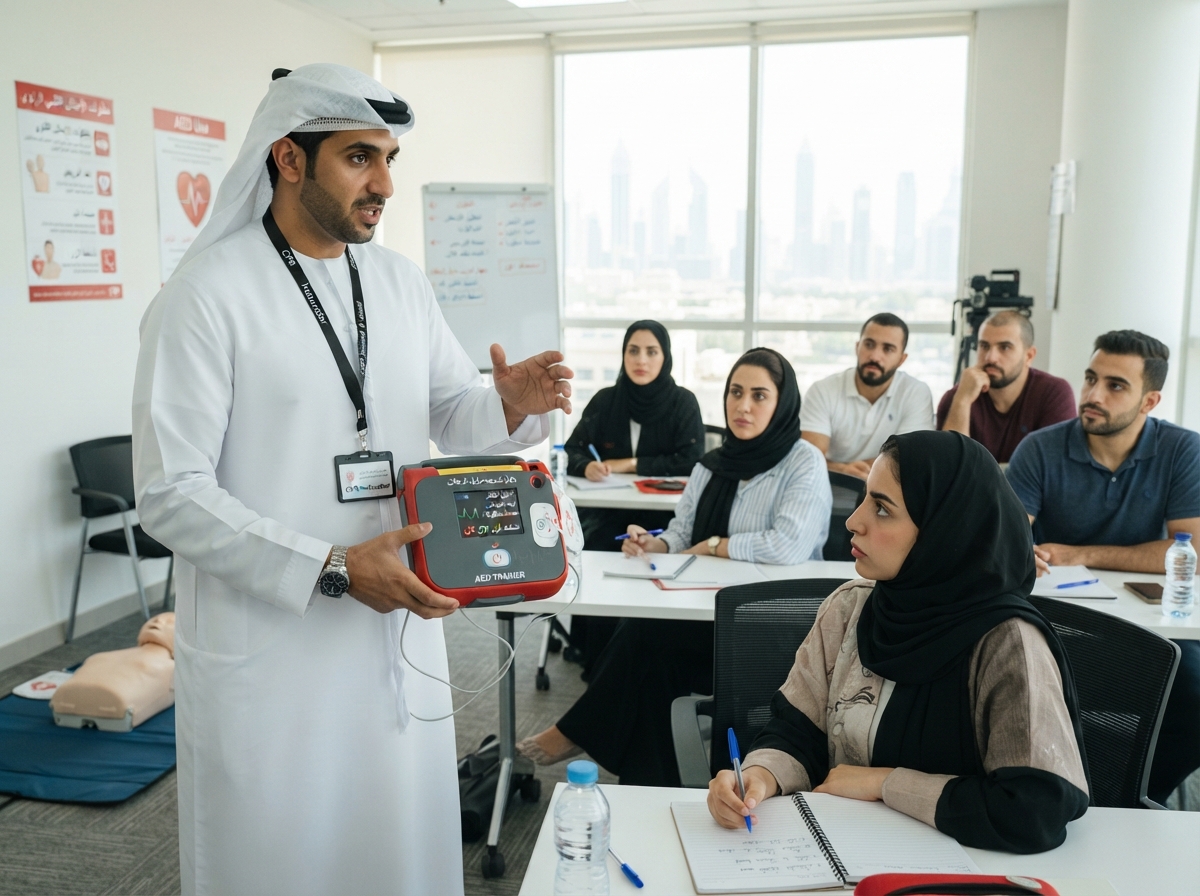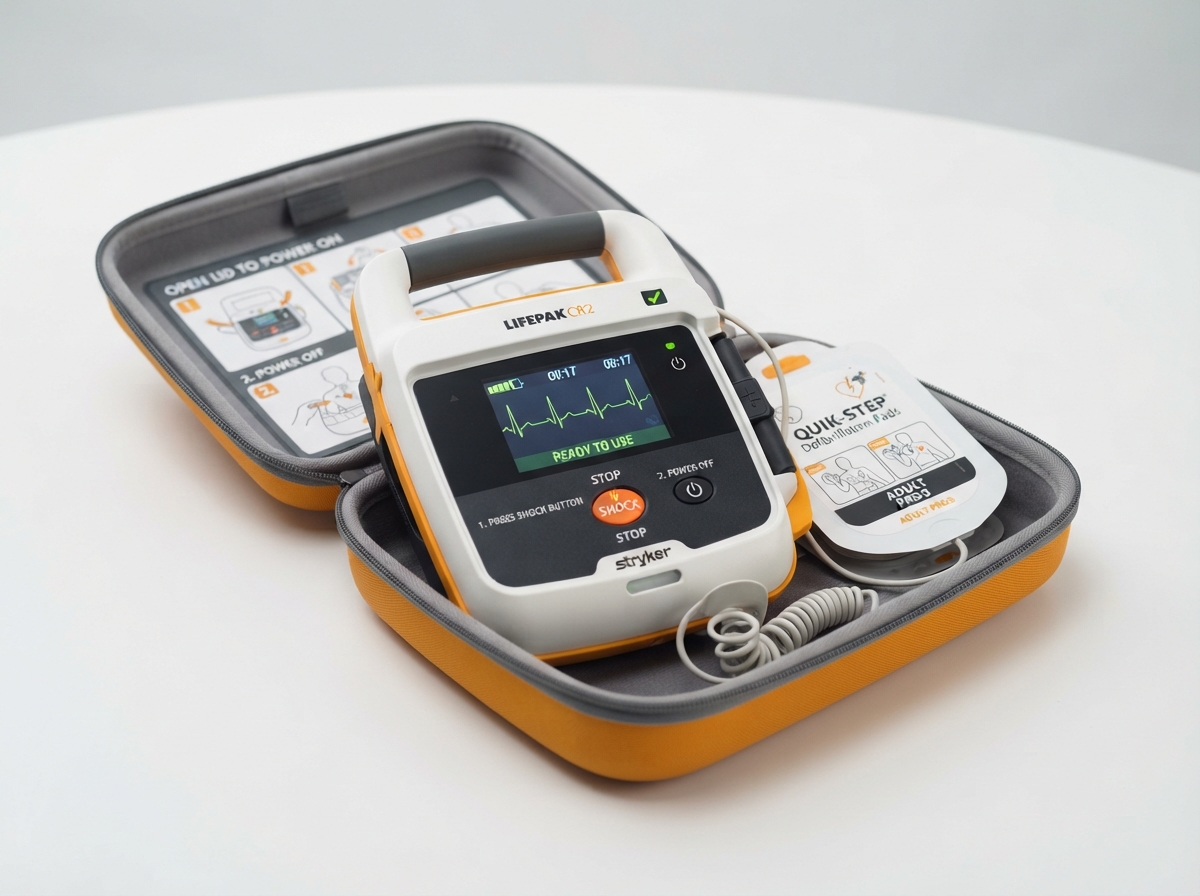
A common and dangerous assumption is that having "an AED somewhere in the building" is sufficient. In a genuine emergency, the difference between an AED thirty seconds away and one three minutes away can determine survival.
The Golden Rule: Two to Three Minutes, Round Trip
International guidance generally recommends that an AED be reachable and back at the patient's side within two to three minutes of collapse. In practical terms, that usually means no more than a 60-90 second walk in one direction.
Key Factors in Calculating Coverage
Building height matters — elevators cannot always be relied on during an emergency, so multi-storey buildings typically need at least one unit per floor or per two floors. Building footprint matters too — large single-storey warehouses or retail floors often need multiple units spread across the space rather than one central location.
High-Risk Zones Deserve Their Own Unit
Gyms, cafeterias, parking structures, and areas with heavy foot traffic or physical exertion statistically see more cardiac events and should be prioritized even if they don't fit a strict square-footage formula.
A Simple Starting Framework
As a general guide: one unit per floor in office buildings, one unit per major zone in retail or hospitality settings, and additional units in any area more than 90 seconds from the nearest existing device.
Get a Site-Specific Recommendation
Every building is different, and generic rules only go so far. Our team offers a Consultation to walk your facility and provide an exact placement plan, followed by professional AED Installation.
Get a Site-Specific AED Placement Plan
Heart First Response supplies, installs, maintains and trains organizations on AEDs across Dubai, United Arab Emirates and the wider Gulf region. Call us on +971 52 1746500 or visit heartfirstaed.com to get started.