A single training session, however thorough, does not create permanent readiness. Studies on skill retention consistently show that both CPR and AED confidence decline measurably within six to twelve months without refreshers.
The General Recommendation
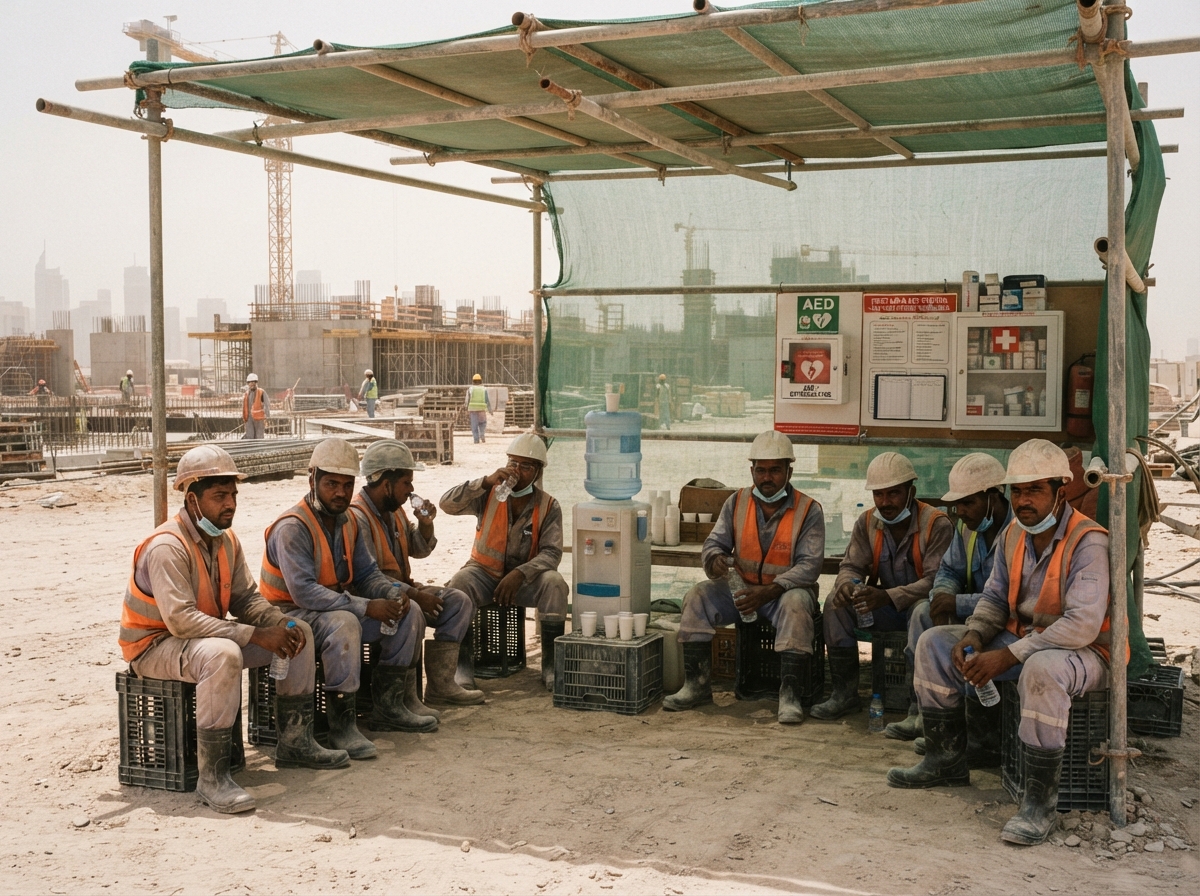
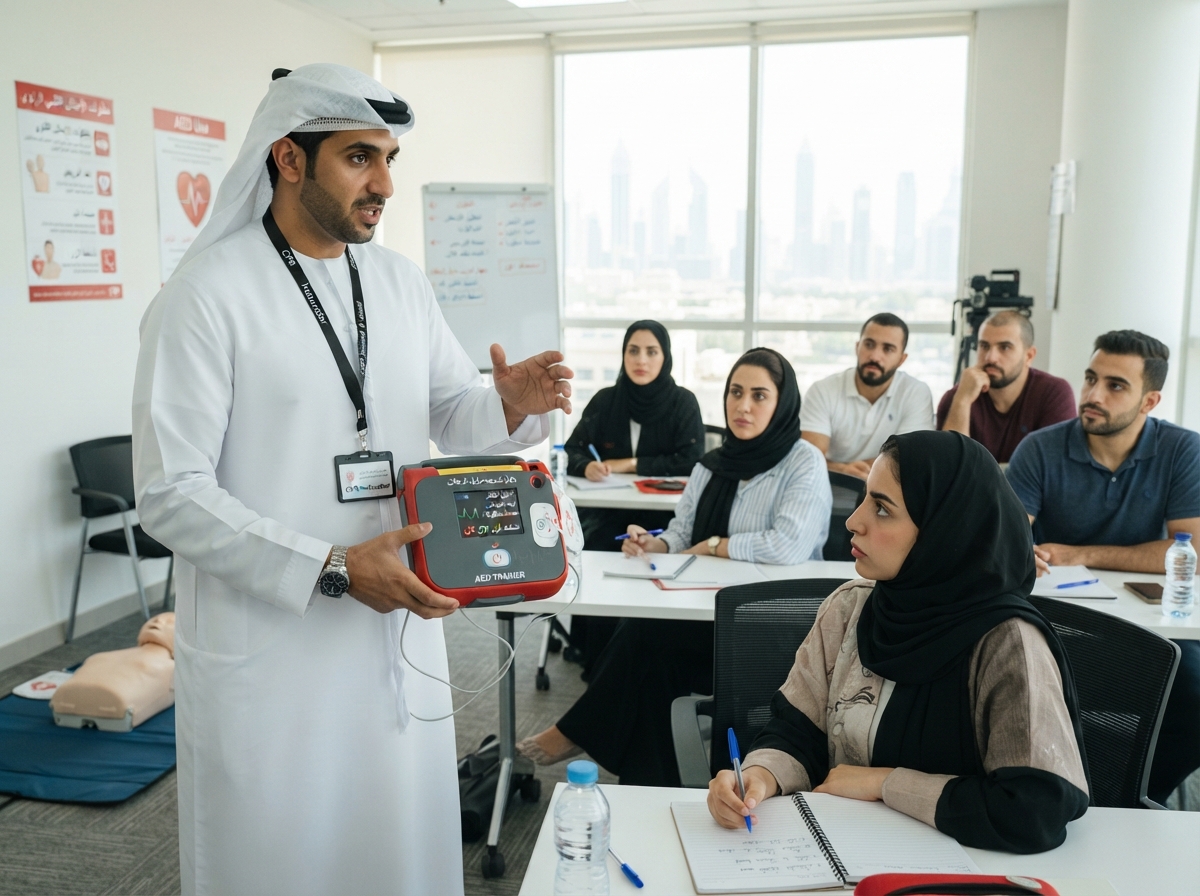
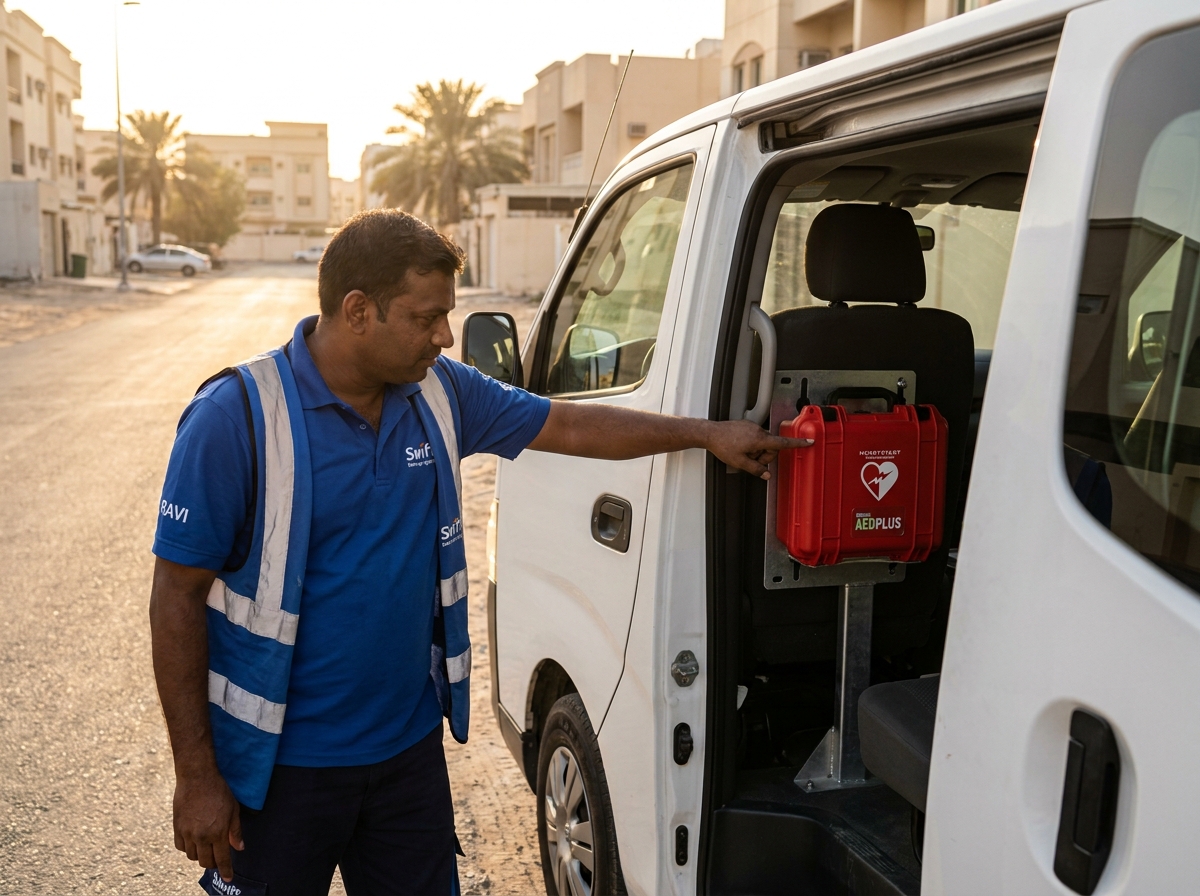
Most health and safety bodies recommend formal CPR and AED retraining every one to two years at minimum. For workplaces with designated first responders or higher-risk environments, annual refreshers are the safer standard.
Why Skills Fade So Quickly
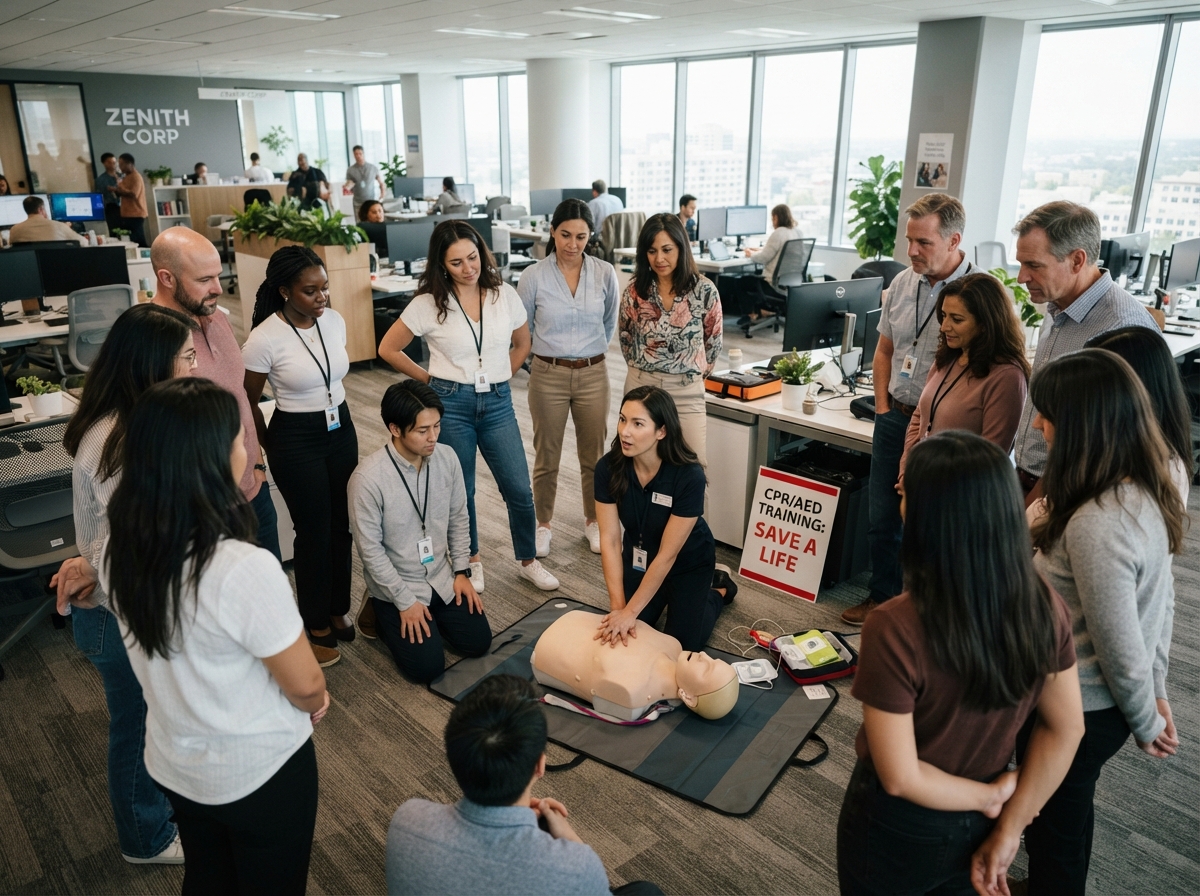
CPR and AED use are physical, muscle-memory-driven skills. Without periodic hands-on practice, correct compression depth, rate, and confidence in operating the device all decline — even among people who once scored well in their initial course.
Short, Frequent Refreshers Beat Long, Rare Ones
Rather than a single lengthy annual session, many organizations get better results from shorter, more frequent refresher touchpoints — even a 20-minute hands-on practice session every few months meaningfully reinforces retention.
New Hires Need Immediate Training
Retraining schedules should account for staff turnover — new employees should receive AED orientation during onboarding, not wait for the next scheduled annual session.
Building a Sustainable Training Rhythm
We work with organizations across the UAE to build a training calendar that fits realistically into their operations, rather than a one-off course that's quickly forgotten. Learn more about our AED Training programs.
Build a Sustainable Training Schedule
Heart First Response supplies, installs, maintains and trains organizations on AEDs across Dubai, United Arab Emirates and the wider Gulf region. Call us on +971 52 1746500 or visit heartfirstaed.com to get started.