Many organizations assume their emergency preparedness is adequate simply because something is technically in place. A genuine audit often reveals gaps that a casual glance would miss entirely.
Step 1: Inventory What You Actually Have
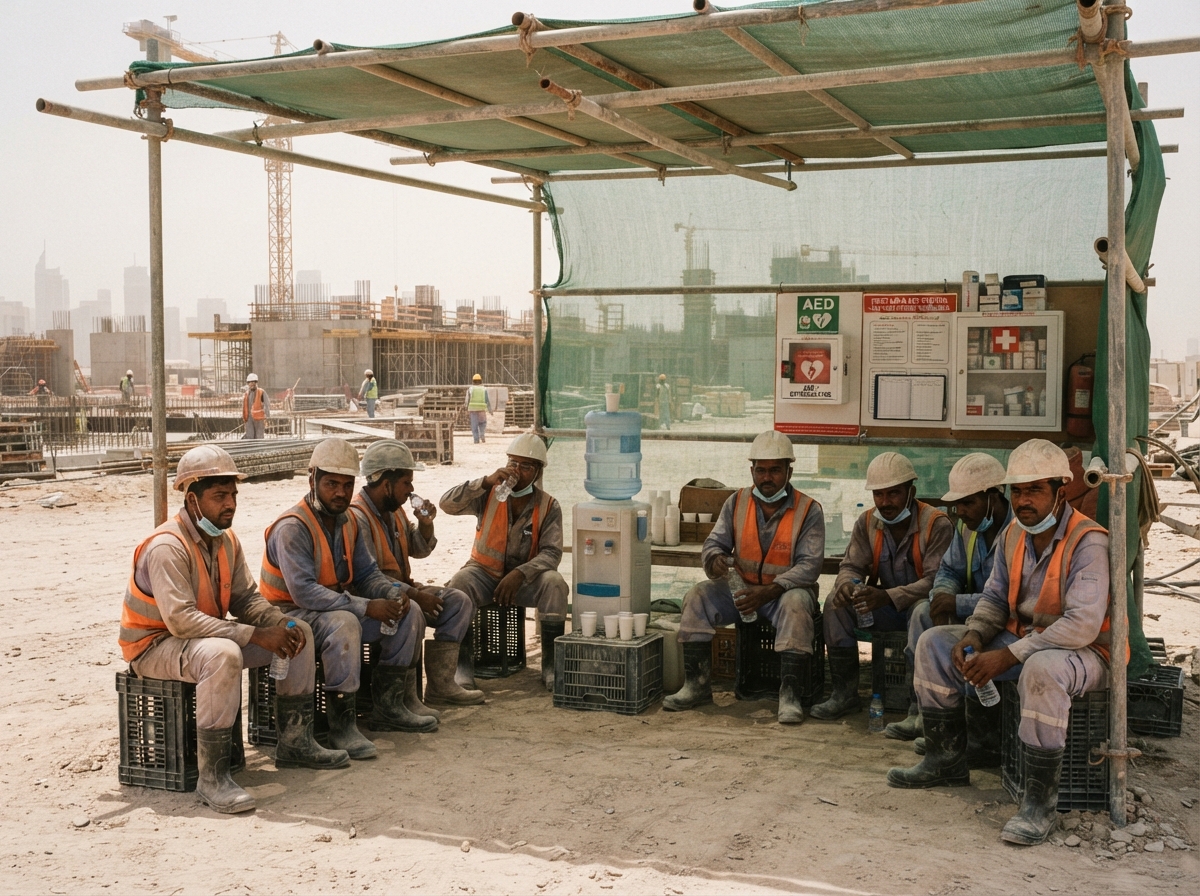
List every AED, first aid kit, and emergency contact resource across your entire facility — not just what's near the main entrance. Note the exact location and current condition of each.
Step 2: Check Every Expiry Date
For each AED, confirm the battery and pad expiry dates directly — don't rely on memory or assume a device is current just because it looks physically fine.
Step 3: Time a Realistic Response
From the furthest point in your building, time how long it genuinely takes to reach the nearest AED and return — this often reveals coverage gaps that placement decisions on paper didn't anticipate.
Step 4: Survey Staff Awareness
Ask a cross-section of employees — not just managers — whether they know where the nearest AED is and roughly how to use it. The gap between assumed and actual awareness is often significant.
Step 5: Review Documentation
Confirm you have dated records of installation, maintenance visits, and training completion — gaps in documentation often mirror gaps in actual readiness.
Step 6: Compare Against Your Building's Actual Risk Profile
Factor in occupancy, physical activity levels, age range, and building layout — a generic "one AED per floor" rule may not genuinely match your specific environment.
Get a Professional Audit
If you'd rather have an expert eye on this, our Consultation includes a full readiness assessment of your current setup.
Get a Professional Readiness Audit
Heart First Response supplies, installs, maintains and trains organizations on AEDs across Dubai, United Arab Emirates and the wider Gulf region. Call us on +971 52 1746500 or visit heartfirstaed.com to get started.