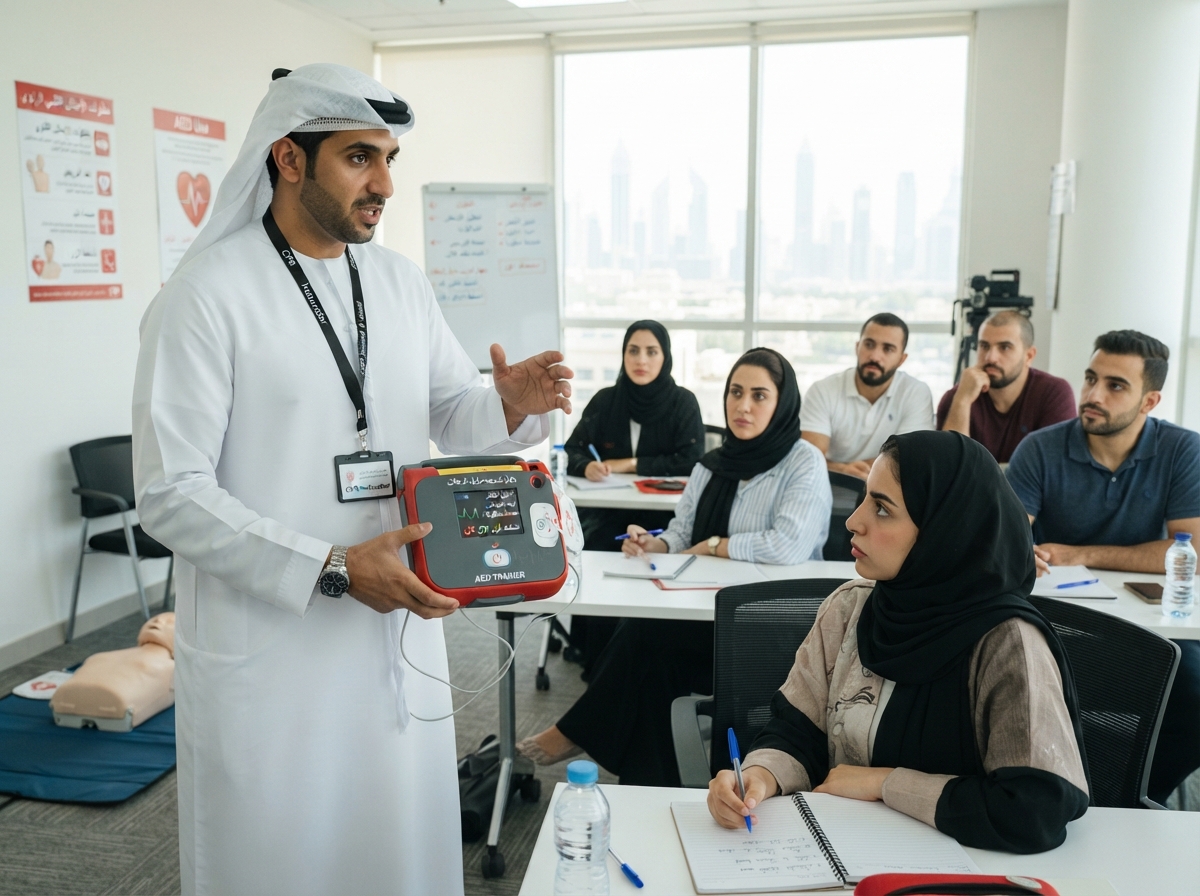
AEDs have a genuine service life — often around eight years, though this varies by manufacturer — and planning for eventual replacement avoids being caught off guard when a device reaches that point.
Why Devices Have a Defined Service Life
Electronic components, battery contacts and internal capacitors degrade gradually over years of readiness, even without ever being used in an actual rescue.
Signs a Device Is Approaching End of Life
Increasingly frequent self-test flags, discontinued consumables for older models, or manufacturer end-of-support notices are all signals worth tracking as a device ages.
Replacement Doesn't Have to Be a Surprise Expense
As covered in our multi-year budgeting guide, plotting expected replacement dates against your facilities budget years in advance avoids treating it as an unplanned cost.
An Opportunity to Reassess, Not Just Replace Like-for-Like
A planned replacement is a natural moment to reconsider whether your current brand, connectivity features, or coverage plan still fits your organization's current needs.
Proper Disposal of the Old Unit
Retired devices and their batteries should be disposed of responsibly, following the same battery disposal principles covered in our environmental impact guide.
Plan Your Replacement Cycle
We can help you map out realistic replacement timing for your current fleet of devices. Get in touch for a Consultation.
Plan Your Replacement Cycle
Heart First Response supplies, installs, maintains and trains organizations on AEDs across Dubai, United Arab Emirates and the wider Gulf region. Call us on +971 52 1746500 or visit heartfirstaed.com to get started.