"AED-ready" is a phrase used loosely by many buildings and organizations, but the genuine standard behind it involves considerably more than simply owning a device. Here's what it should actually mean.
A Genuinely Accessible Device
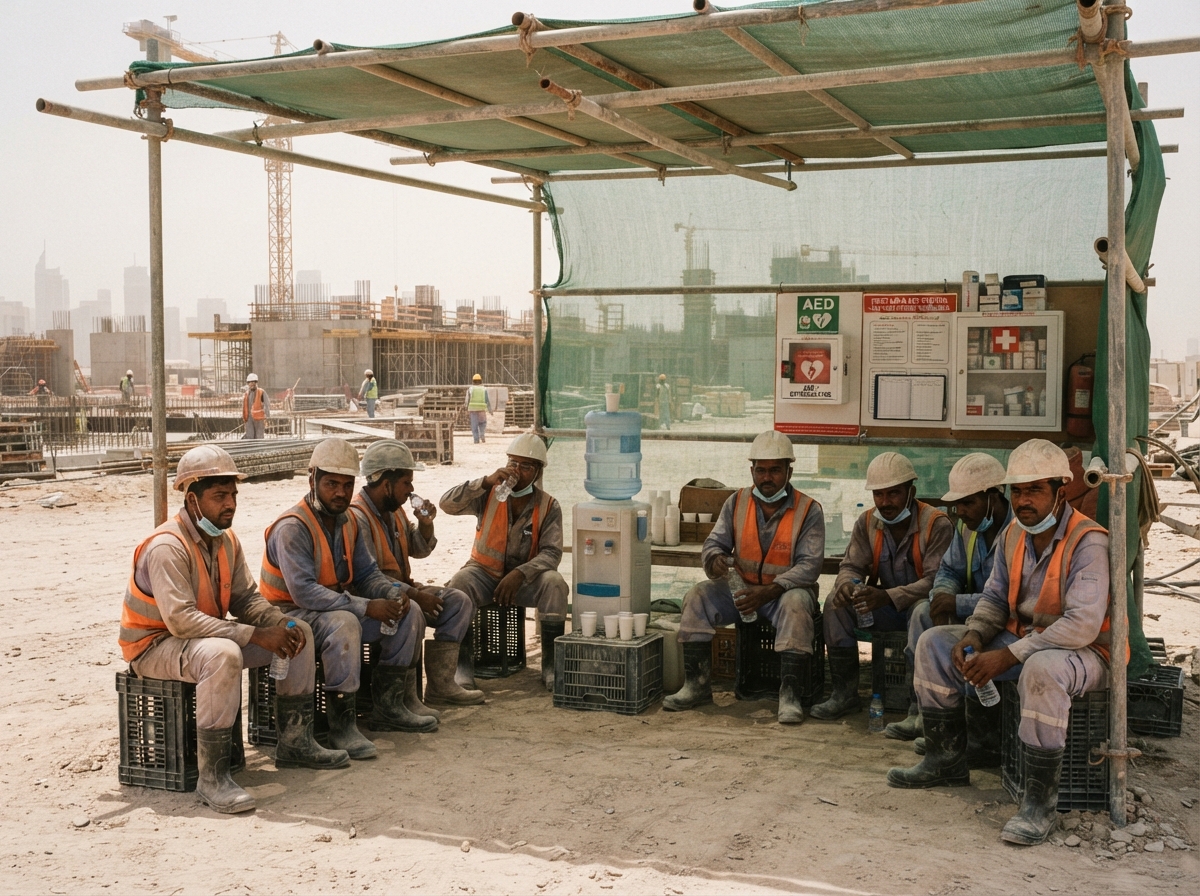
The AED must be reachable within a realistic timeframe from anywhere in the building — not simply present somewhere on the premises.
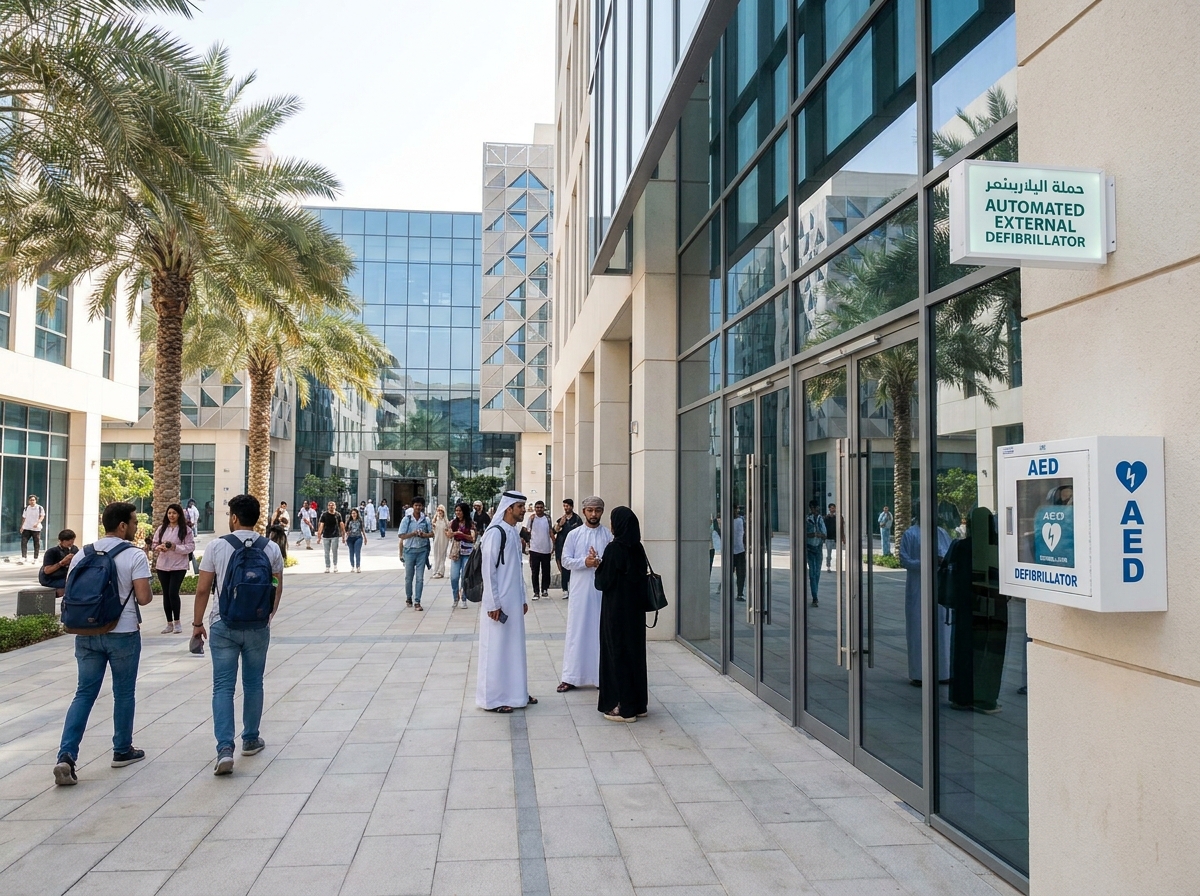
Clear, Standardized Signage
Visible, internationally recognizable signage from multiple directions, not a small label only visible to someone already standing directly in front of the cabinet.
A Device That's Genuinely Functional
Current, unexpired batteries and pads, verified through regular inspection — not merely assumed to be fine because the device looks physically intact.
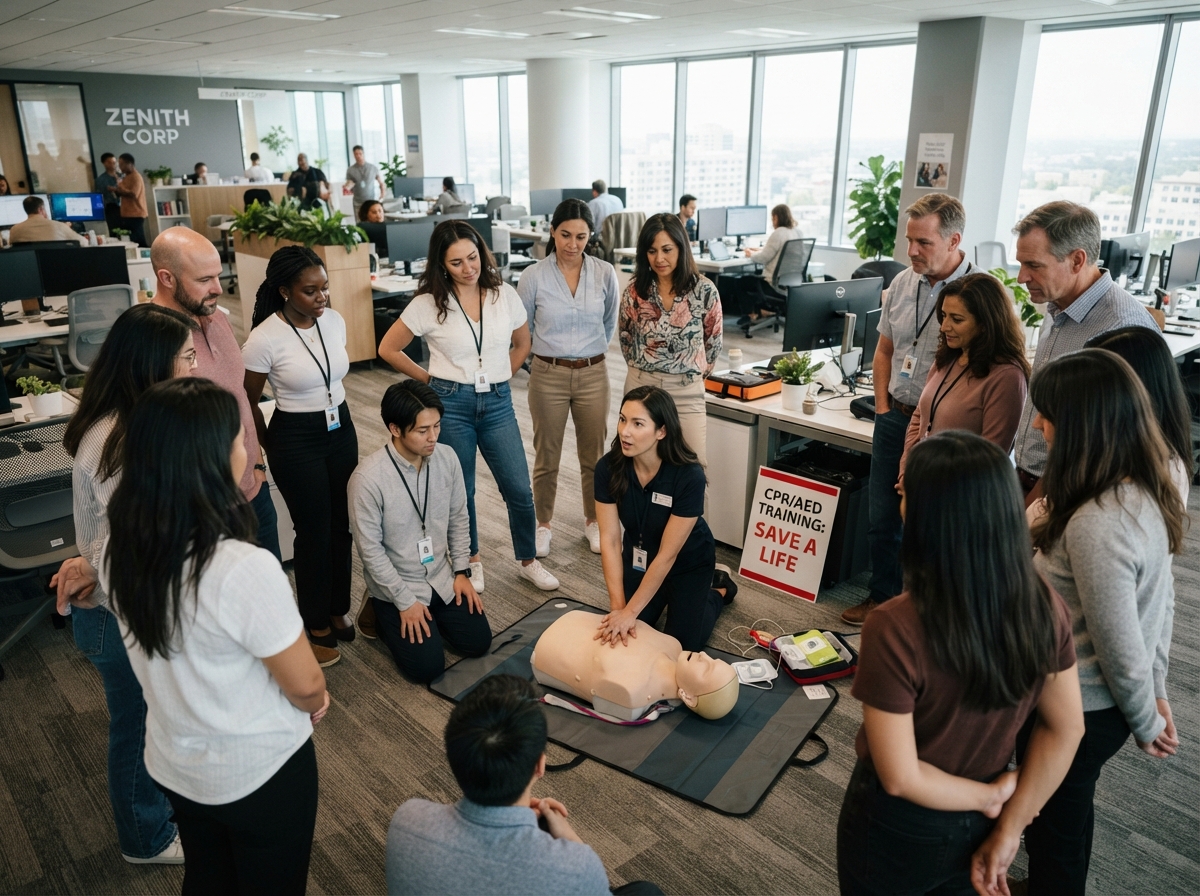
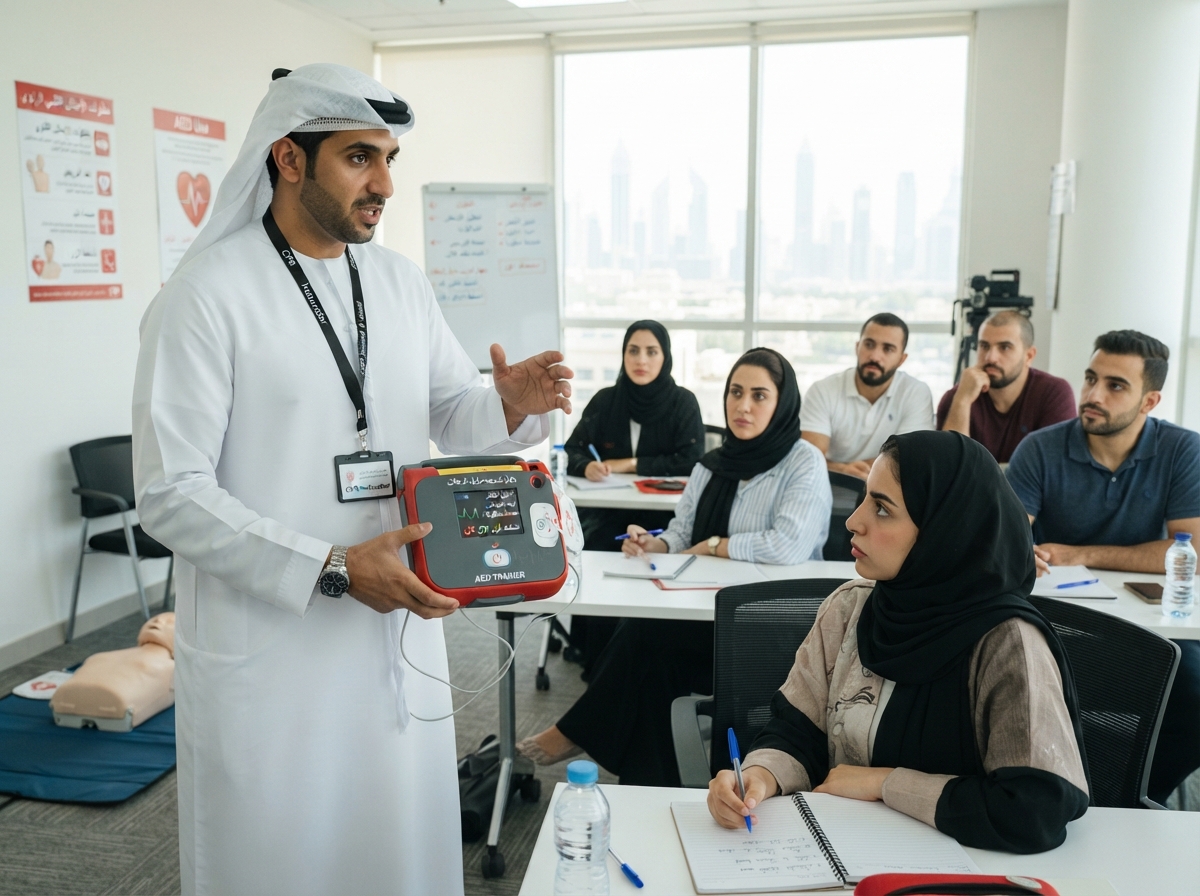
Trained People Nearby
A meaningful proportion of staff confident in using the device, not just a single designated individual who may not be present when needed.
Documented, Ongoing Maintenance
A clear, dated maintenance record demonstrating the building's readiness is actively managed, not a one-time installation left unchecked afterward.
A Genuine Emergency Response Plan
Clear internal procedures for who does what during an actual emergency, rather than relying on improvisation in the moment.
Meeting the Full Standard, Not Just the Label
If your building currently claims "AED-ready" status but hasn't reviewed all of these elements together, it's worth a genuine audit. Get in touch for an honest assessment.
Meet the Full Standard, Not Just the Label
Heart First Response supplies, installs, maintains and trains organizations on AEDs across Dubai, United Arab Emirates and the wider Gulf region. Call us on +971 52 1746500 or visit heartfirstaed.com to get started.