Dubai's public transport network moves an enormous number of passengers daily across metro lines, buses, and connecting stations — a scale that makes AED accessibility a genuinely significant public health consideration.
Volume Changes the Statistical Picture
Even a rare per-passenger event becomes a realistic, recurring possibility across the sheer daily volume a major transit system carries — a different calculation than a single office building.
Stations as Natural Coverage Points
Metro and major bus stations, as fixed, staffed locations, are natural points for AED placement, similar in logic to airport terminal coverage.
Onboard Coverage Is a Harder Question
Individual vehicles present a more complex placement question than fixed stations, given constant movement and passenger turnover — a challenge some transit systems internationally have begun addressing with onboard units on key routes.
Staff Training Across the Network
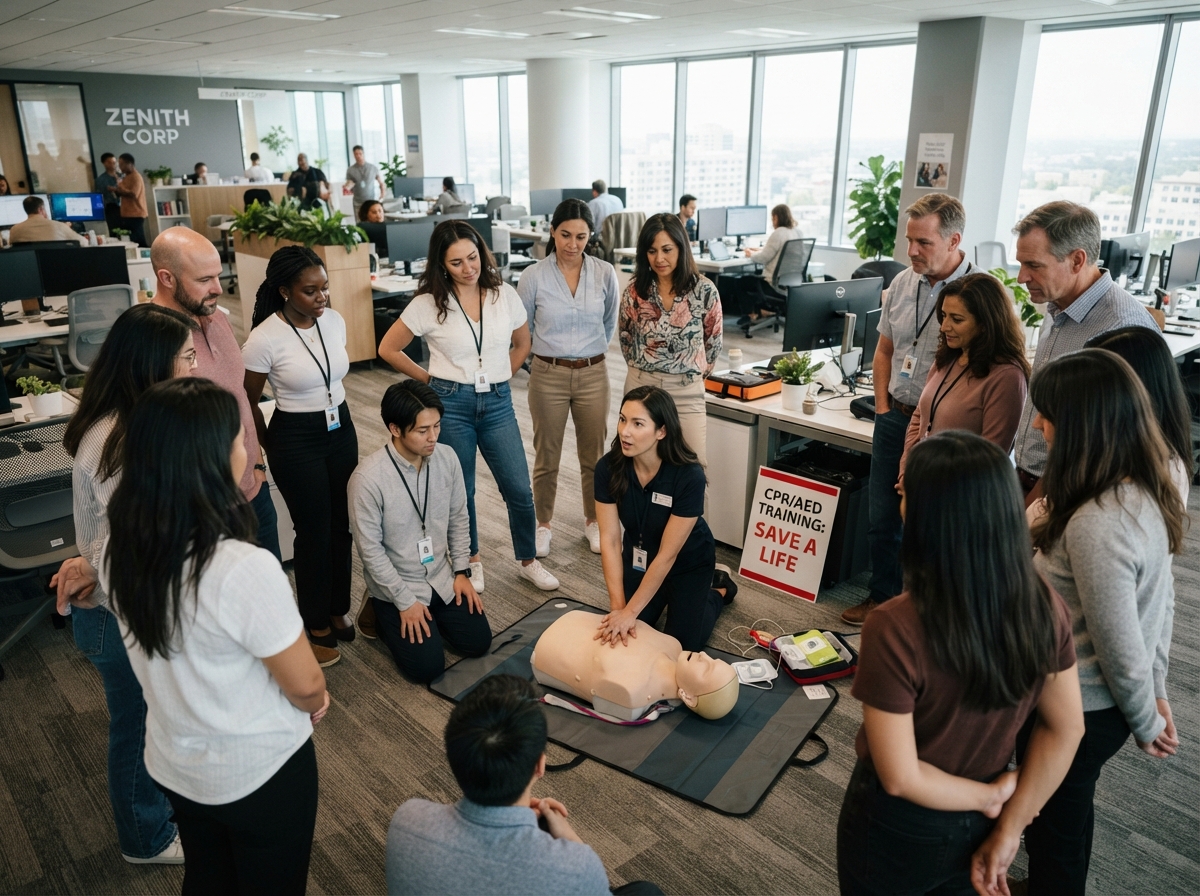
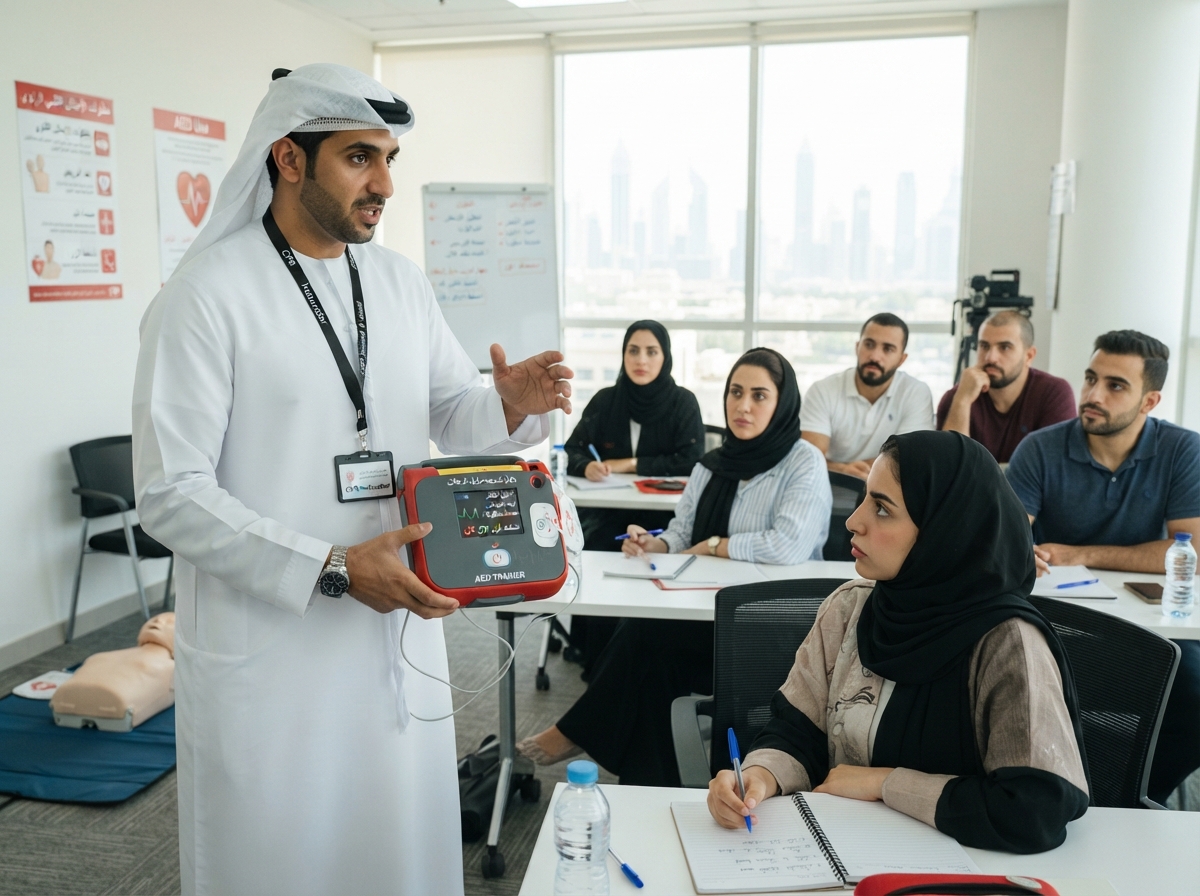
Station staff, drivers, and security personnel across a transit network all benefit from consistent AED training, given how frequently public-facing transit roles intersect with passenger wellbeing.
A Genuine Opportunity for Public Health Impact
Given transit ridership scale, well-implemented AED coverage across a public transport network has the potential for meaningful public health impact relative to the investment involved.
Supporting Transit and Public Infrastructure Projects
We're glad to discuss AED infrastructure planning with transit operators and public infrastructure planners. Get in touch to start the conversation.
Support Transit Infrastructure Planning
Heart First Response supplies, installs, maintains and trains organizations on AEDs across Dubai, United Arab Emirates and the wider Gulf region. Call us on +971 52 1746500 or visit heartfirstaed.com to get started.