Ramadan brings meaningful changes to daily routines across the UAE — fasting hours, adjusted sleep patterns, and shifted meal timing. For employers, understanding the cardiac health implications of this period is a genuine part of workplace safety planning.
Dehydration Compounds Heat Risk
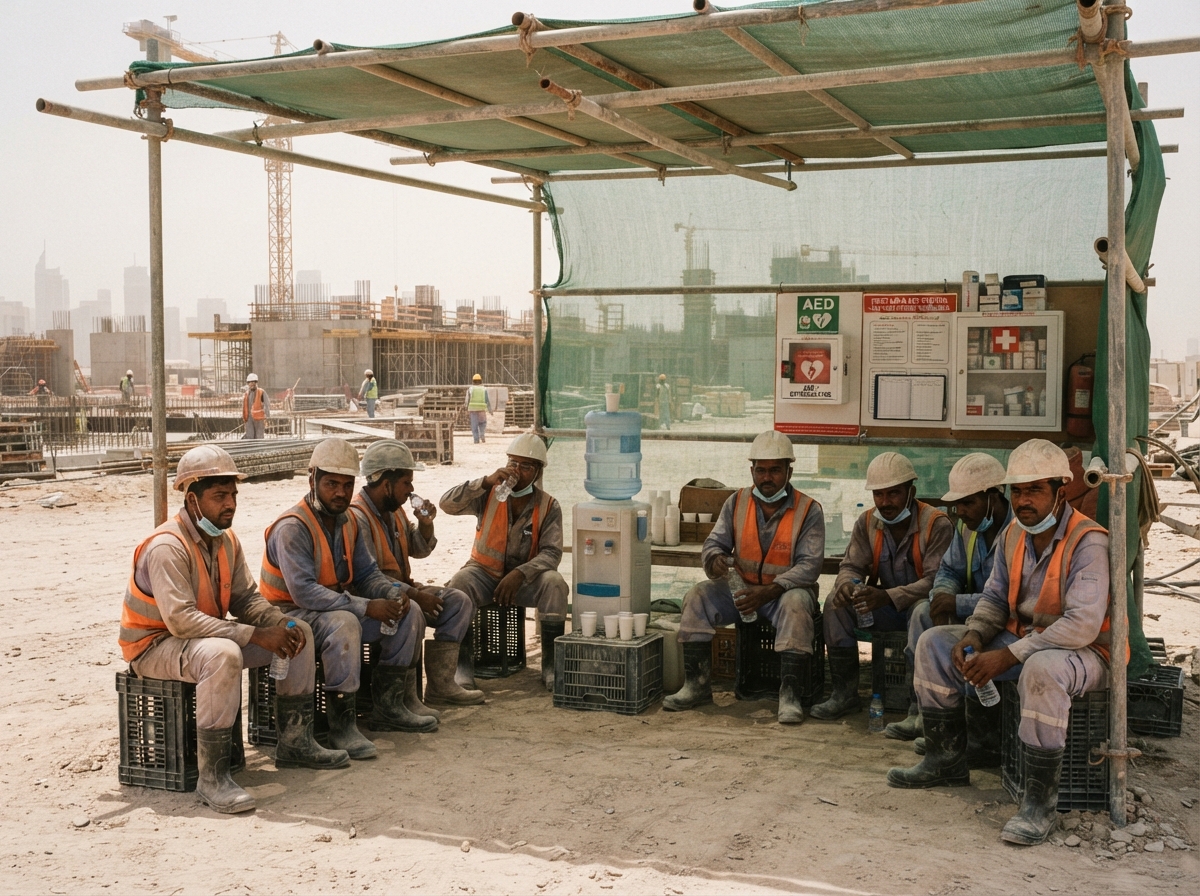
Fasting during daylight hours, particularly when Ramadan falls during warmer months, removes regular hydration at exactly the time heat stress on the cardiovascular system is highest.
Altered Sleep and Fatigue
Pre-dawn meals and evening gatherings often shift sleep patterns significantly. Combined with daytime fasting, this can increase fatigue-related risk, particularly for physically demanding roles.
Existing Cardiac Conditions Need Extra Attention
Employees with pre-existing cardiac conditions may face elevated risk during fasting hours, and workplaces should encourage open communication about individual health needs without pressure to disclose more than someone is comfortable sharing.
Adjusting Workplace Expectations
Many UAE employers already adjust working hours during Ramadan — pairing this with continued attention to break scheduling and physical workload for demanding roles adds a meaningful additional layer of protection.
Emergency Readiness Doesn't Pause
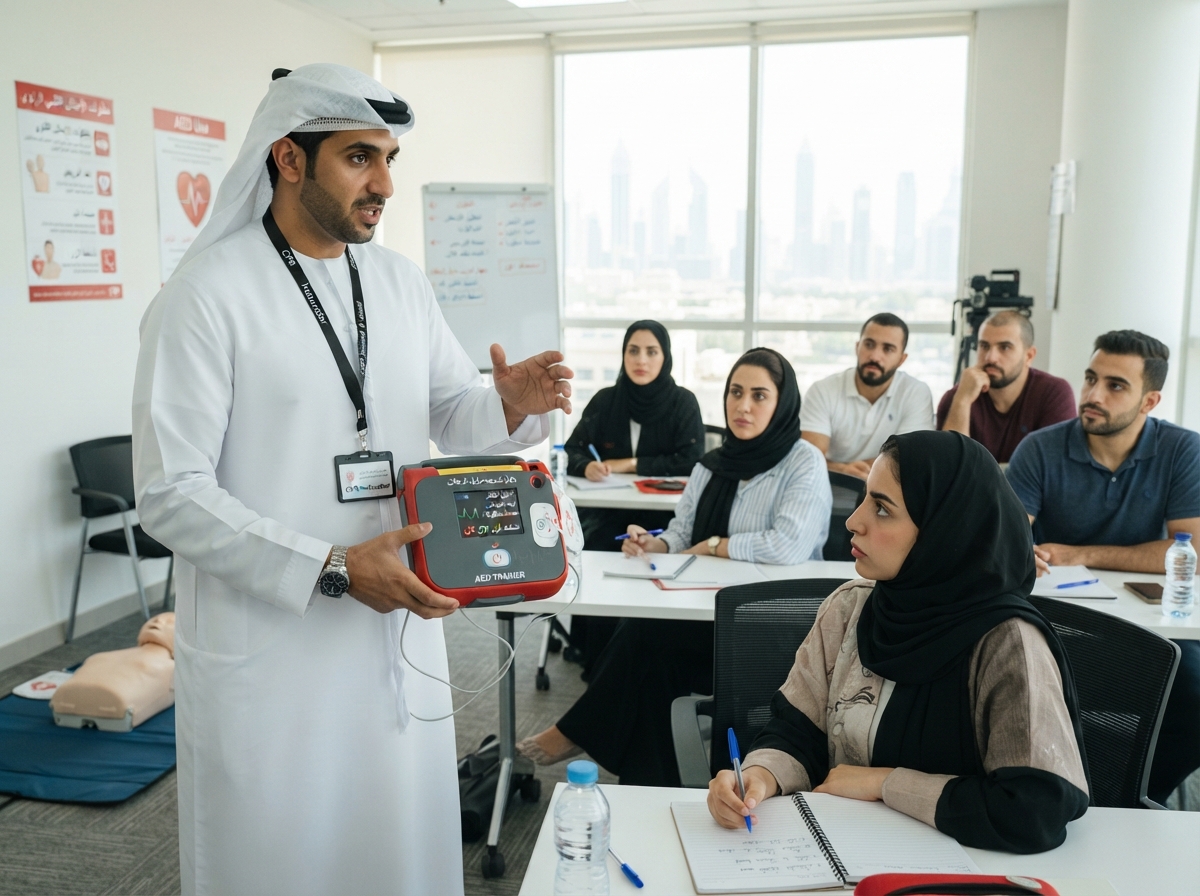
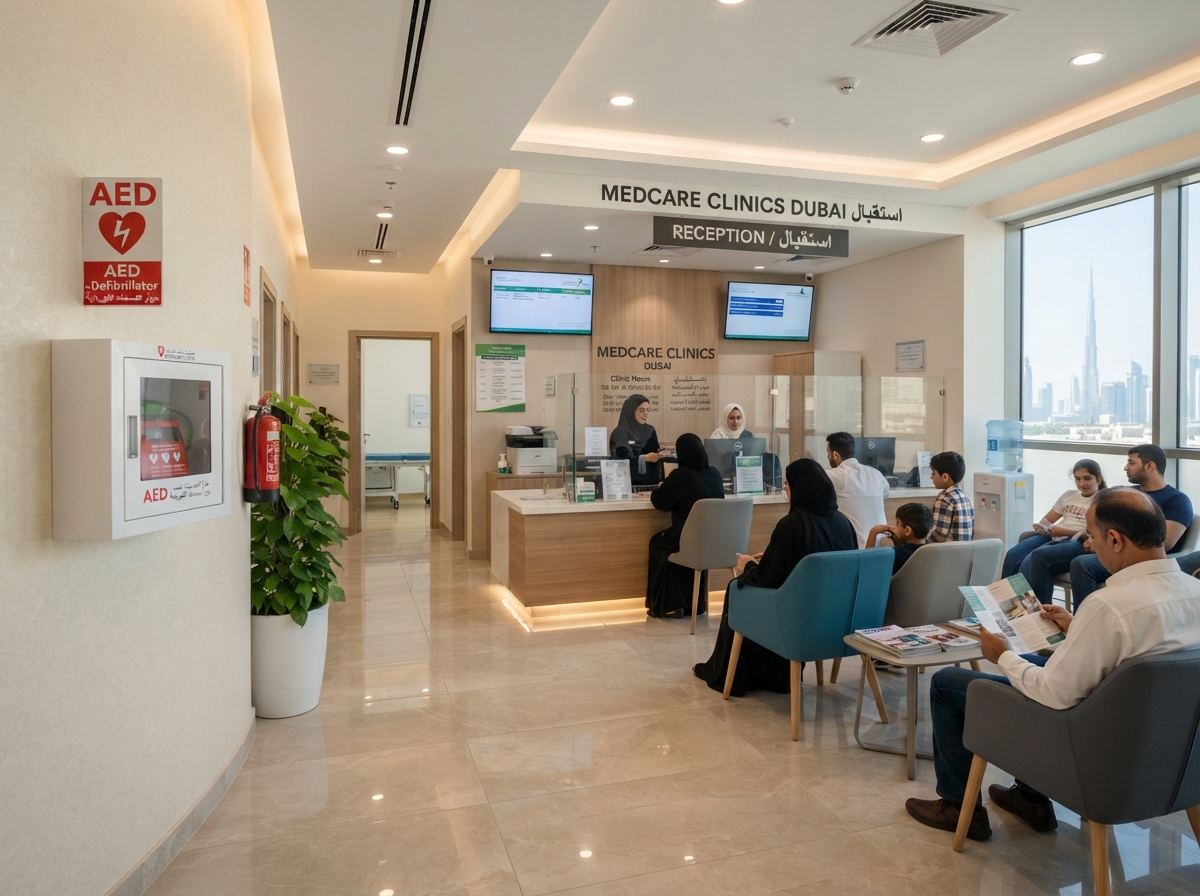
AED accessibility and staff readiness remain just as important during Ramadan as any other time of year — arguably more so, given the additional physiological stress many employees may be experiencing.
Review Your Readiness Ahead of Ramadan
Use the period before Ramadan each year as a natural checkpoint to confirm your AEDs are serviced and your team's training is current. Contact us on +971 52 1746500 to schedule a review.
Review Your Readiness Ahead of Ramadan
Heart First Response supplies, installs, maintains and trains organizations on AEDs across Dubai, United Arab Emirates and the wider Gulf region. Call us on +971 52 1746500 or visit heartfirstaed.com to get started.