When comparing AED models, one of the first specifications you'll encounter is whether the device is semi-automatic or fully automatic. The difference sounds technical, but it comes down to a single step in the rescue process.
Semi-Automatic AEDs
A semi-automatic AED, such as the CardiAid AED, analyzes the heart rhythm and, if a shock is needed, tells the rescuer to press a button to deliver it. This gives the rescuer a final moment of control and confirmation before the shock is administered.
Fully Automatic AEDs
A fully automatic AED, such as the Cardiac Science Powerheart G3/G5, goes one step further — once it detects a shockable rhythm, it delivers the shock automatically without requiring the rescuer to press anything. The rescuer's only job is to keep clear of the patient during shock delivery.
Which One Is Better?
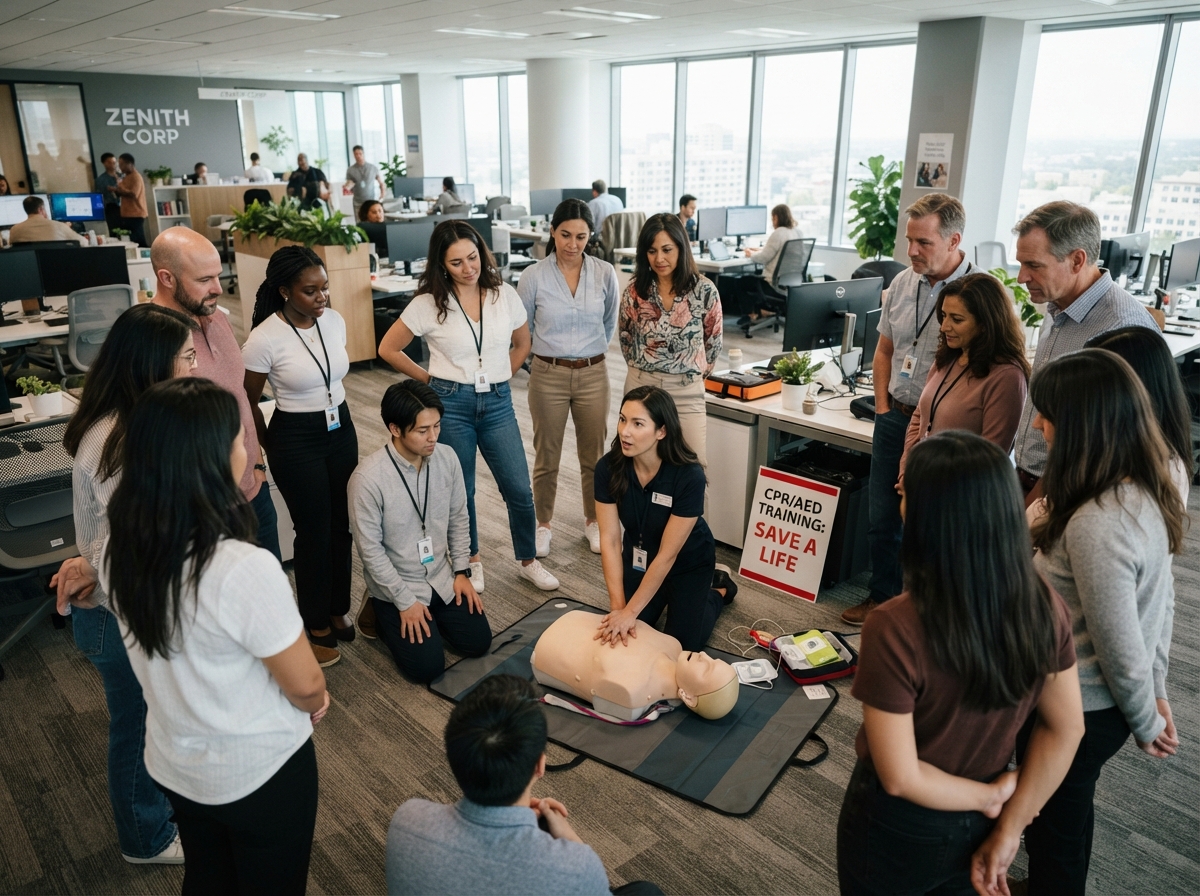
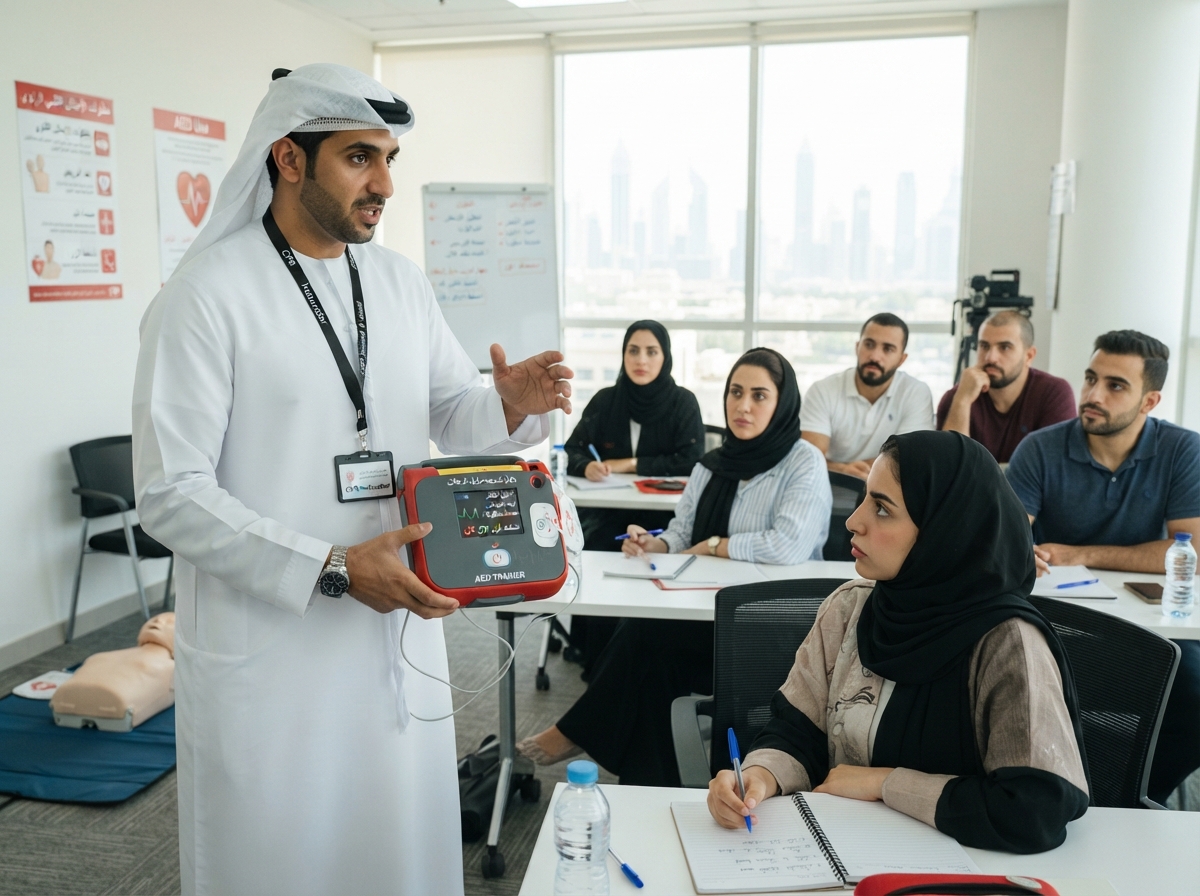
Neither type is universally superior — the right choice depends on your environment. Fully automatic units remove one decision point, which can be valuable in high-panic settings or where the primary users may have little to no prior exposure to the device, such as schools or hotel lobbies. Semi-automatic units are often preferred in workplaces where staff receive regular hands-on training and are comfortable confirming the shock themselves.
Both Types Are Equally Effective
Survival outcomes between the two types are statistically similar when used correctly. The far bigger factor in survival is how quickly the device is retrieved and applied, not which type it is.
Not Sure Which Fits Your Facility?
Our team can walk you through both options based on your building, staff, and typical foot traffic during a Consultation.
Not Sure Which Type Fits Your Facility?
Heart First Response supplies, installs, maintains and trains organizations on AEDs across Dubai, United Arab Emirates and the wider Gulf region. Call us on +971 52 1746500 or visit heartfirstaed.com to get started.