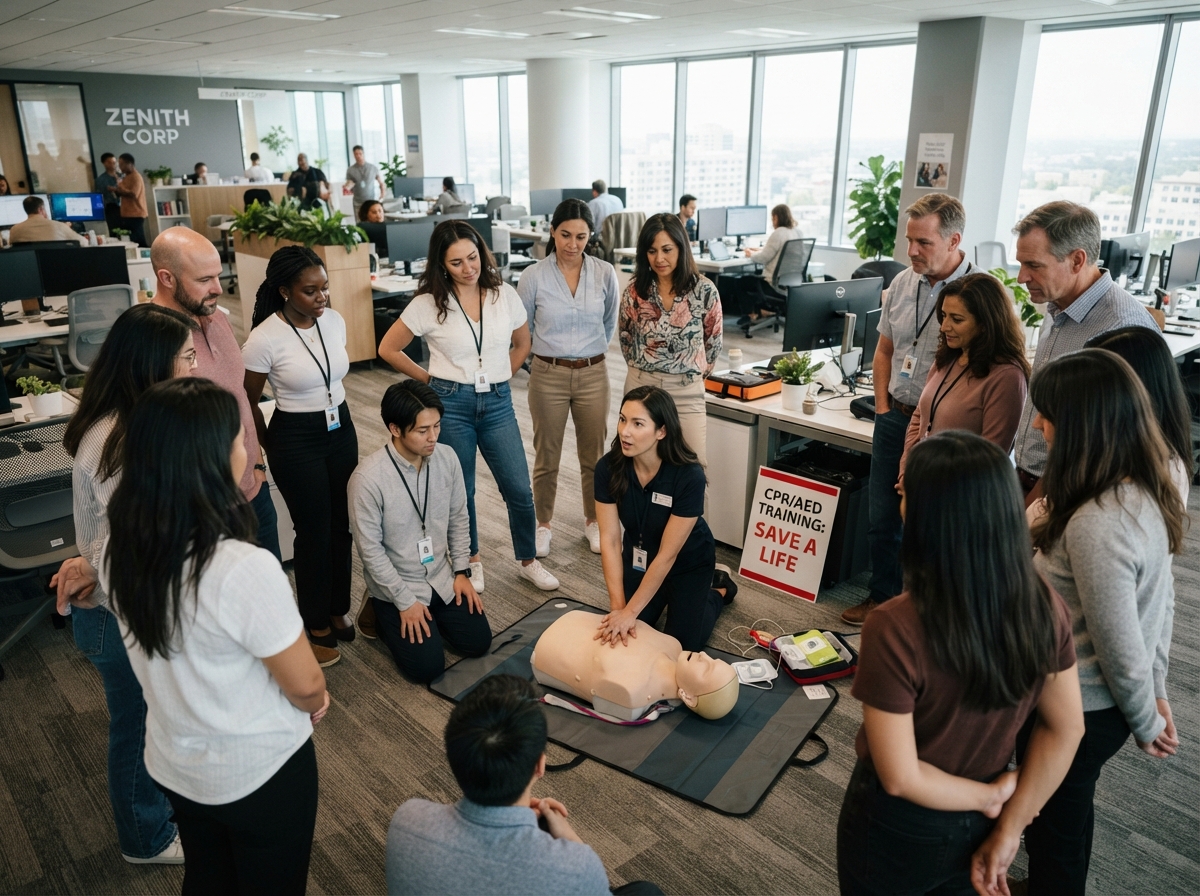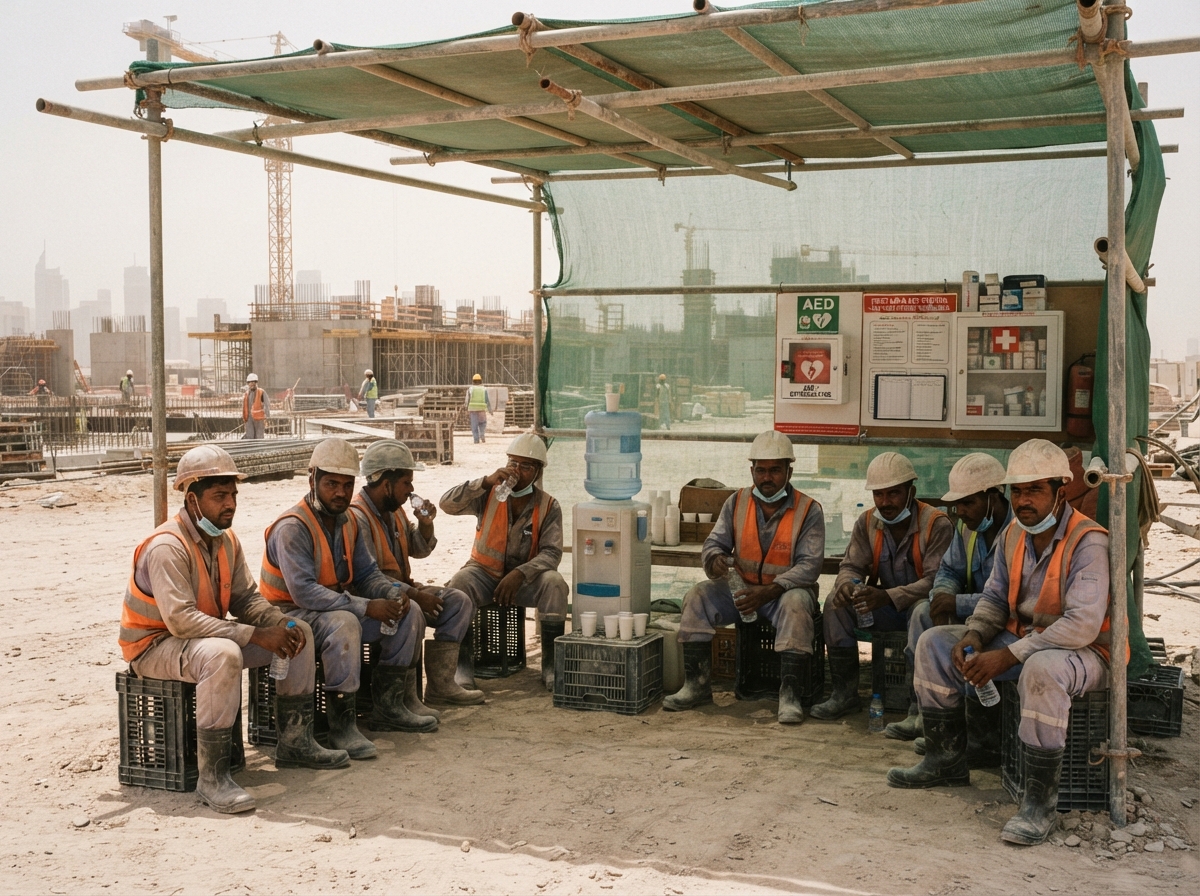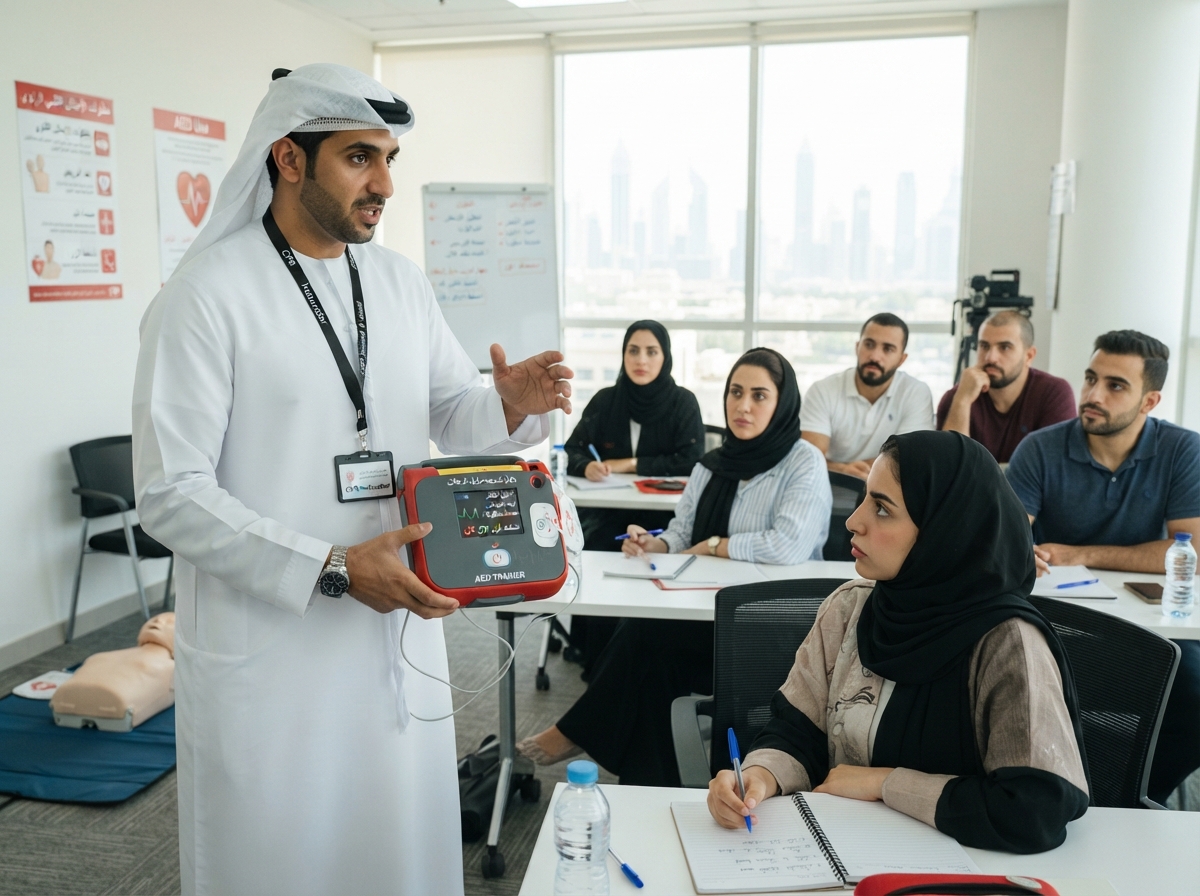
It's a well-documented phenomenon: people who could technically help sometimes freeze during a real emergency, despite having relevant knowledge. Understanding why this happens is key to designing training that genuinely overcomes it.
The Bystander Effect
In a group setting, individuals are statistically less likely to act, partly assuming someone else — often more qualified — will step in first. This diffusion of responsibility can delay action even when multiple capable people are present.
Fear of Making It Worse
A common, if largely unfounded, fear is that acting incorrectly could cause harm. As covered in our piece on AED myths, this fear is particularly misplaced for AEDs specifically, given the device's built-in safety mechanisms.
The Gap Between Knowing and Doing
Classroom knowledge and physical confidence under stress are genuinely different things — someone who passed a written test may still freeze without sufficient hands-on repetition.
How Realistic Training Closes the Gap
Scenario-based training that simulates genuine time pressure and unpredictability builds a different kind of readiness than passive learning — closer to actual muscle memory than theoretical knowledge.
Designating Clear Roles Reduces Diffusion of Responsibility
In group settings, explicitly assigning roles in advance — through a formal Emergency Response Team structure, for example — directly counters the bystander effect by removing ambiguity about who acts.
Build Genuine Confidence, Not Just Knowledge
Our AED Training is built around realistic, hands-on scenario practice specifically to address this gap. Get in touch to schedule a session.
Build Genuine Confidence, Not Just Knowledge
Heart First Response supplies, installs, maintains and trains organizations on AEDs across Dubai, United Arab Emirates and the wider Gulf region. Call us on +971 52 1746500 or visit heartfirstaed.com to get started.