AED product specifications frequently mention an "IP rating" — a number that sounds technical but is actually a straightforward way to understand exactly how much dust and water exposure a device can genuinely handle.
How IP Ratings Are Structured
An IP (Ingress Protection) rating consists of two digits — the first indicates dust resistance on a scale of 0 to 6, the second indicates water resistance on a scale of 0 to 9. Higher numbers mean stronger protection.
What the First Digit Means (Dust)
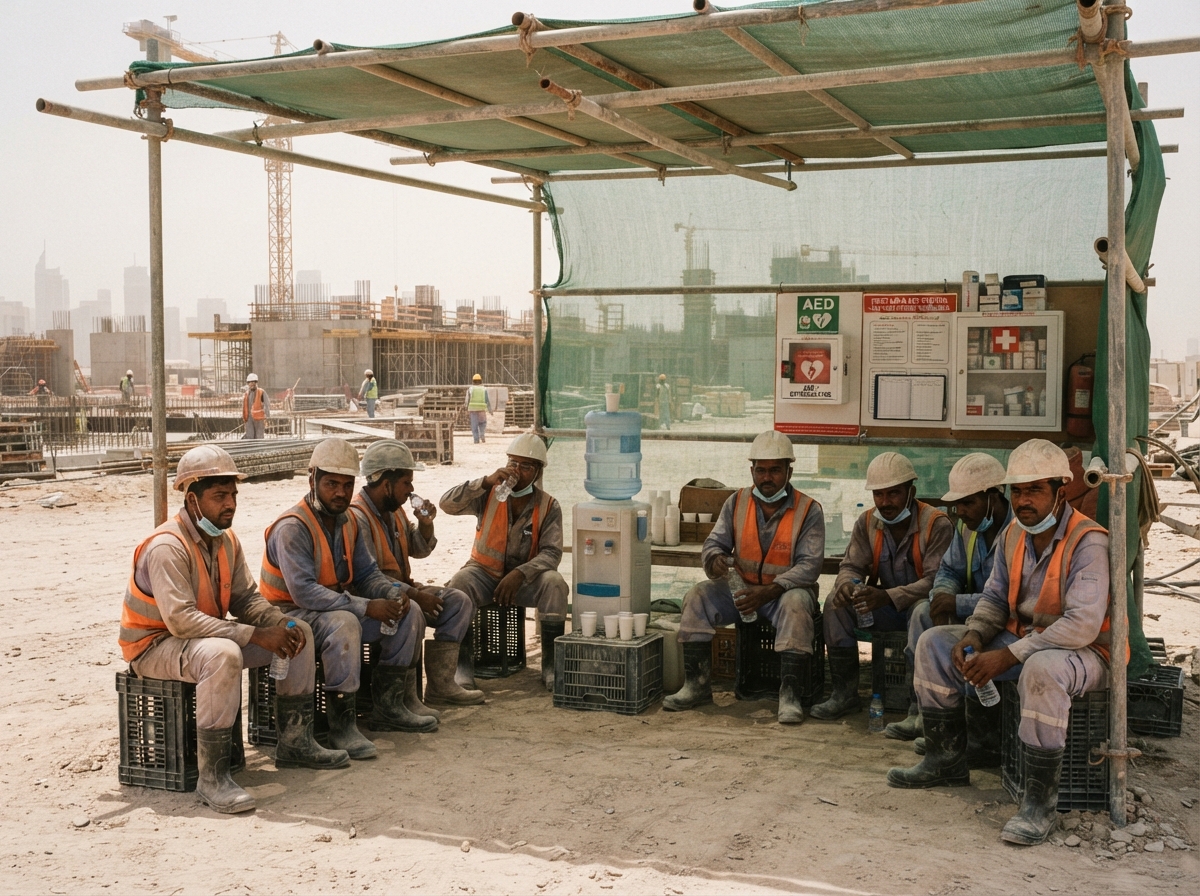
A rating of 5 offers substantial dust protection suitable for most environments; a 6 indicates complete dust-tight protection, more relevant for genuinely harsh sites like construction or industrial yards.
What the Second Digit Means (Water)
Lower numbers indicate protection against light moisture or splashing; higher numbers indicate protection against jets of water or brief immersion — relevant for marina, poolside, or outdoor placements.
Why This Matters More in the UAE
Given the UAE's combination of blowing sand and, in some settings, humidity or water exposure, checking the IP rating before choosing a device for any outdoor or industrial placement is a genuinely practical step, not just a spec-sheet formality.
Indoor Devices Don't Need the Highest Rating
A device intended purely for a climate-controlled office doesn't need the same IP rating as one destined for a construction site or marina — matching the rating to the actual environment avoids overspending unnecessarily.
Get the Right IP Rating for Your Environment
Our team can recommend the correctly rated device for your specific location, whether that's an air-conditioned office or an exposed outdoor site. Get in touch for a Consultation.
Get the Right IP Rating for Your Environment
Heart First Response supplies, installs, maintains and trains organizations on AEDs across Dubai, United Arab Emirates and the wider Gulf region. Call us on +971 52 1746500 or visit heartfirstaed.com to get started.