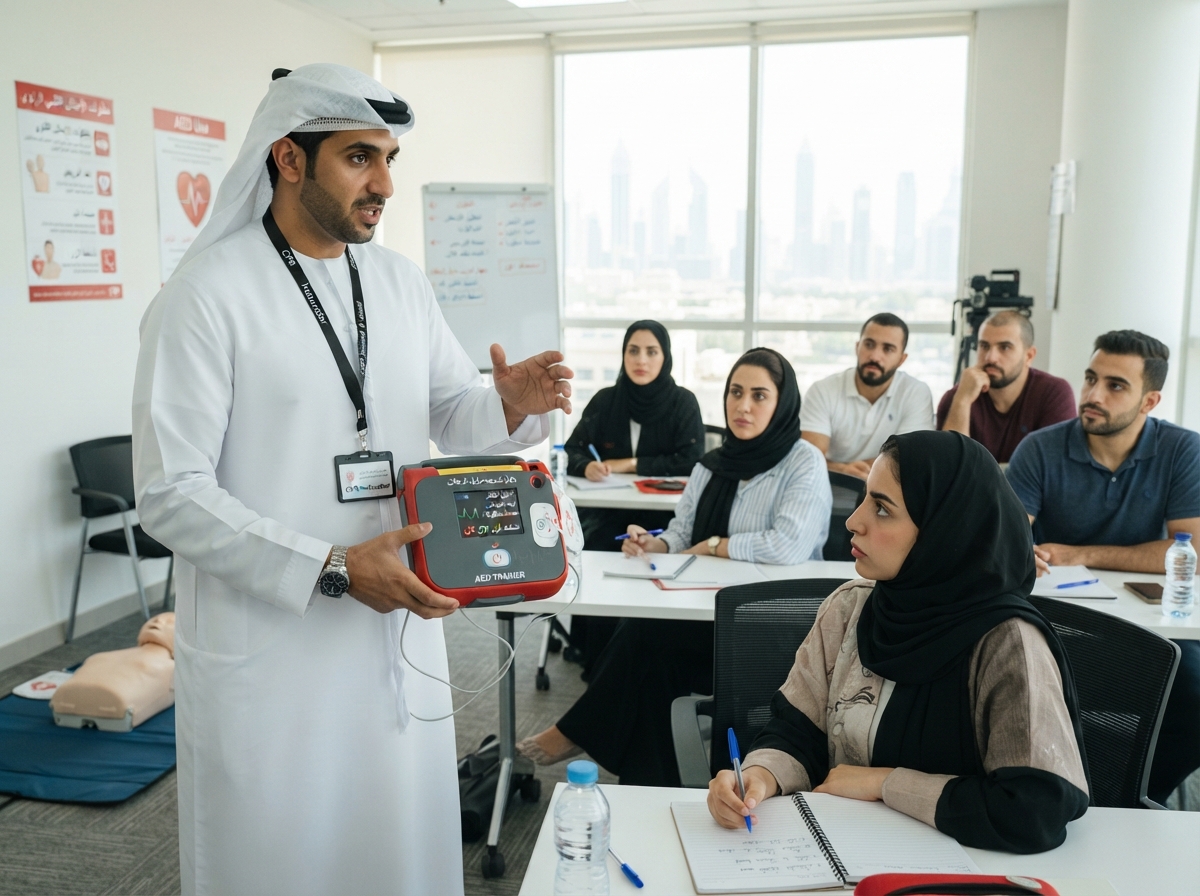
AED specification sheets mention energy delivery measured in joules, a term that sounds technical but is worth understanding in plain terms if you're evaluating devices.
What a Joule Actually Measures
A joule is simply a unit of energy — in this context, the amount of electrical energy delivered through the pads to the heart during a shock.
Typical Ranges Across Devices
Most AEDs deliver shocks somewhere in the range of 150 to 360 joules depending on the model and shock number within a sequence, calibrated by each manufacturer's clinical research.
Escalating vs. Fixed Energy Protocols
Some devices increase energy with each subsequent shock if the first doesn't restore a normal rhythm, while others use a fixed energy level throughout — both are clinically validated approaches, just different philosophies.
This Isn't Something You Need to Manually Adjust
Unlike some clinical defibrillators used by paramedics, public access AEDs handle energy selection automatically — the rescuer never needs to choose or calculate anything.
Why This Detail Matters Mostly for Peace of Mind
Understanding this simply demystifies the device further — every AED we supply meets recognized clinical standards for effective energy delivery, regardless of the exact number.
Ask Us Anything About the Technical Details
We're happy to explain any technical aspect of the devices we supply in plain terms. Book a Free Demonstration to see this firsthand.
Ask Us Anything About the Technical Details
Heart First Response supplies, installs, maintains and trains organizations on AEDs across Dubai, United Arab Emirates and the wider Gulf region. Call us on +971 52 1746500 or visit heartfirstaed.com to get started.